Repairs · Richmond Hill
Garage Door Manual Lock Repair in Richmond Hill
You pushed the slide bolt across like always, but tonight it stops short of the slot in the track and springs back.
In plain words
A manual lock earns its keep on the nights the power goes out. With the opener dead, the door comes down by hand on the release cord, and the slide bolt or T-handle is what holds it shut until morning. Winter tests these locks: meltwater freezes in the outside cylinder, salt spray stiffens the bars in their guides, and packed snow under the door lifts it just enough that the bolt misses its slot. Lock repair puts the mechanism right, treats the cylinder and bars so they shed moisture, and leaves you with a simple routine for outage nights.
How the visit goesThe outside handle wobbles in your hand and the inside knob spins round and round with nothing attached. The screws that held the lock through the door skin have pulled loose, leaving oval holes, and the whole thing hangs on by little more than paint.
Garage Door Manual Lock Repair
How the visit goes
Following the bars to the tracks
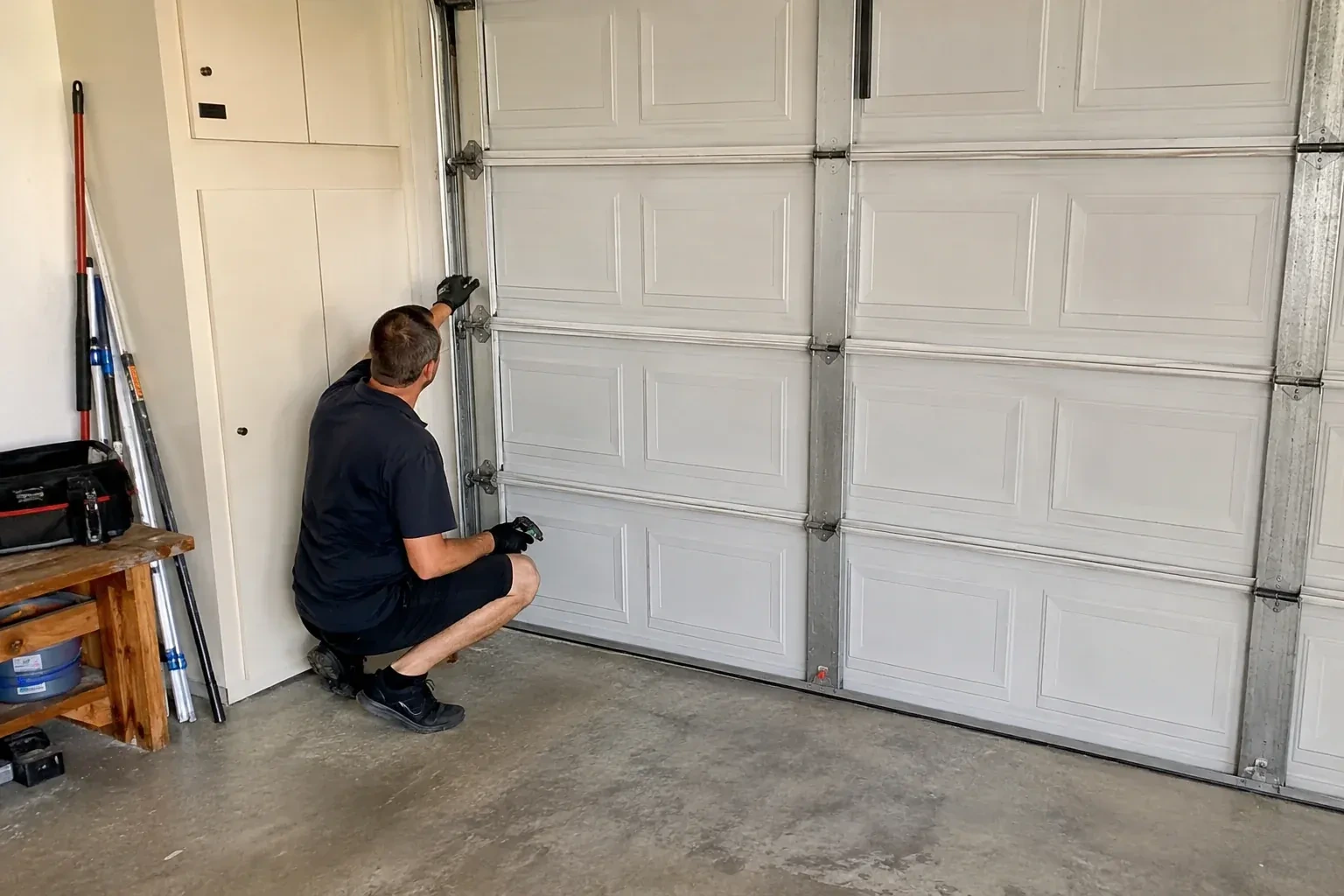
With the door shut, each bar is worked by hand while the technician watches its far end. It should travel smoothly through its guide, pass cleanly through the slot in the track, and come back the same way with no catching. A bar that binds points to rust in the guide or a guide that has been knocked out of line. A bar that reaches the track but not the slot points to alignment. A bar that is bent, kinked or hanging loose usually tells the story of an opener run against the lock. Both sides are checked even when only one is complained about, and the slots themselves are inspected for burrs, distortion and rust.
Cylinder work and keys
A keyed garage handle uses a small pin-tumbler cylinder that can be rekeyed or replaced without changing the handle. To rekey, the cylinder is withdrawn, the plug slid out with a follower, the bottom pins swapped to a new combination and the plug returned, so the old key is retired and freshly cut keys operate it. Where the cylinder is worn or its tailpiece has broken, a new cylinder with the correct tailpiece is fitted. If your house locks share the same keyway, the garage cylinder can be pinned to match, so one key runs the property. Keys are cut from the new pinning, tested in the handle, and counted into your hand.
Keys, spares and who holds them
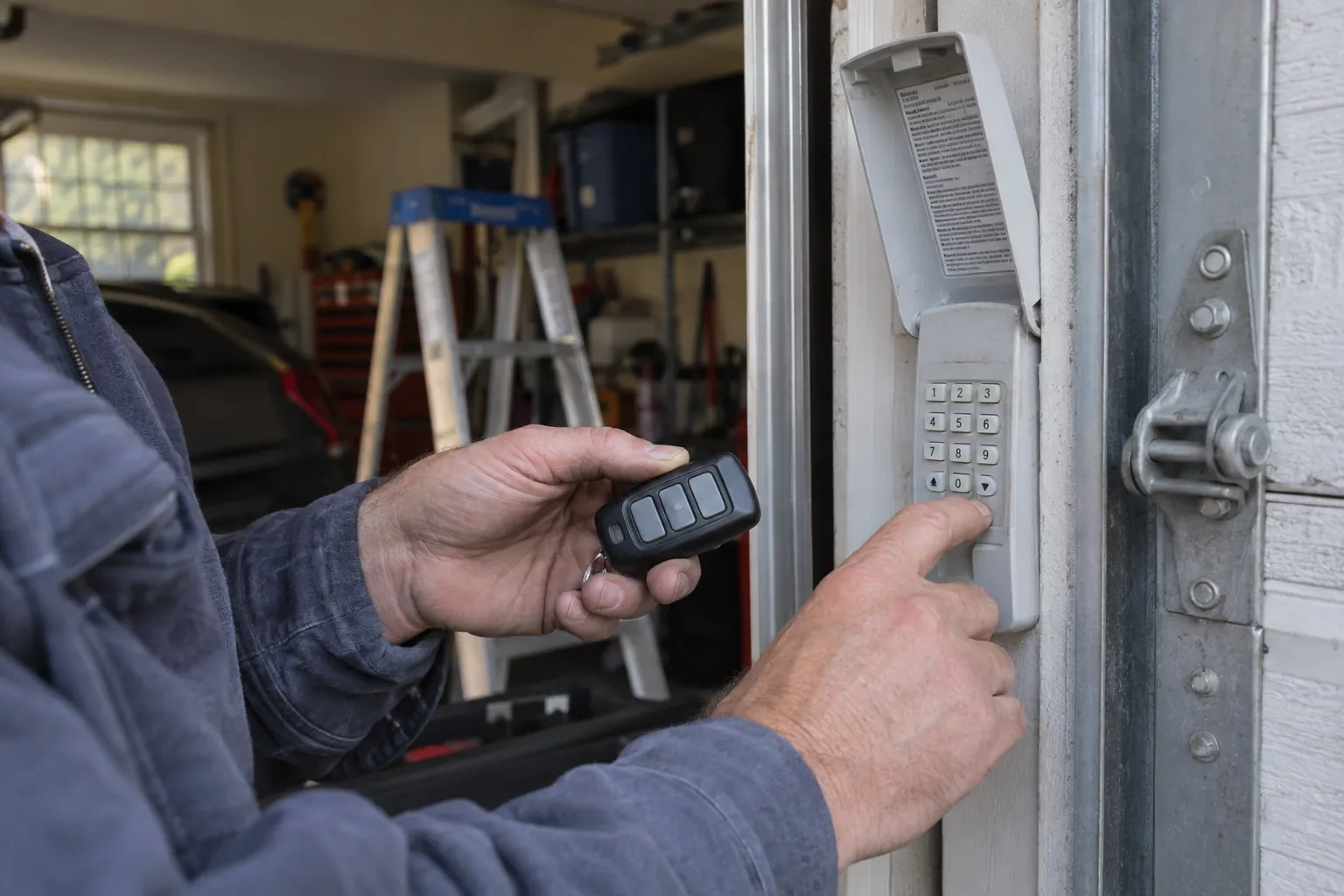
If the cylinder was rekeyed or replaced you leave with new keys cut from the fresh pinning, usually two or three, each tested in the handle. Decide now who in the household carries one and where a spare lives; a lockbox or a trusted neighbour beats a hook inside the garage, since the door you are trying to open is the one the spare is behind. If the garage was keyed to match the house, test the shared key in every door before the technician goes. Note the cylinder type and keyway on the record, so future keys can be cut or the lock re-pinned without guesswork.
Garage Door Manual Lock Repair
In the van
Centre lock body and return spring
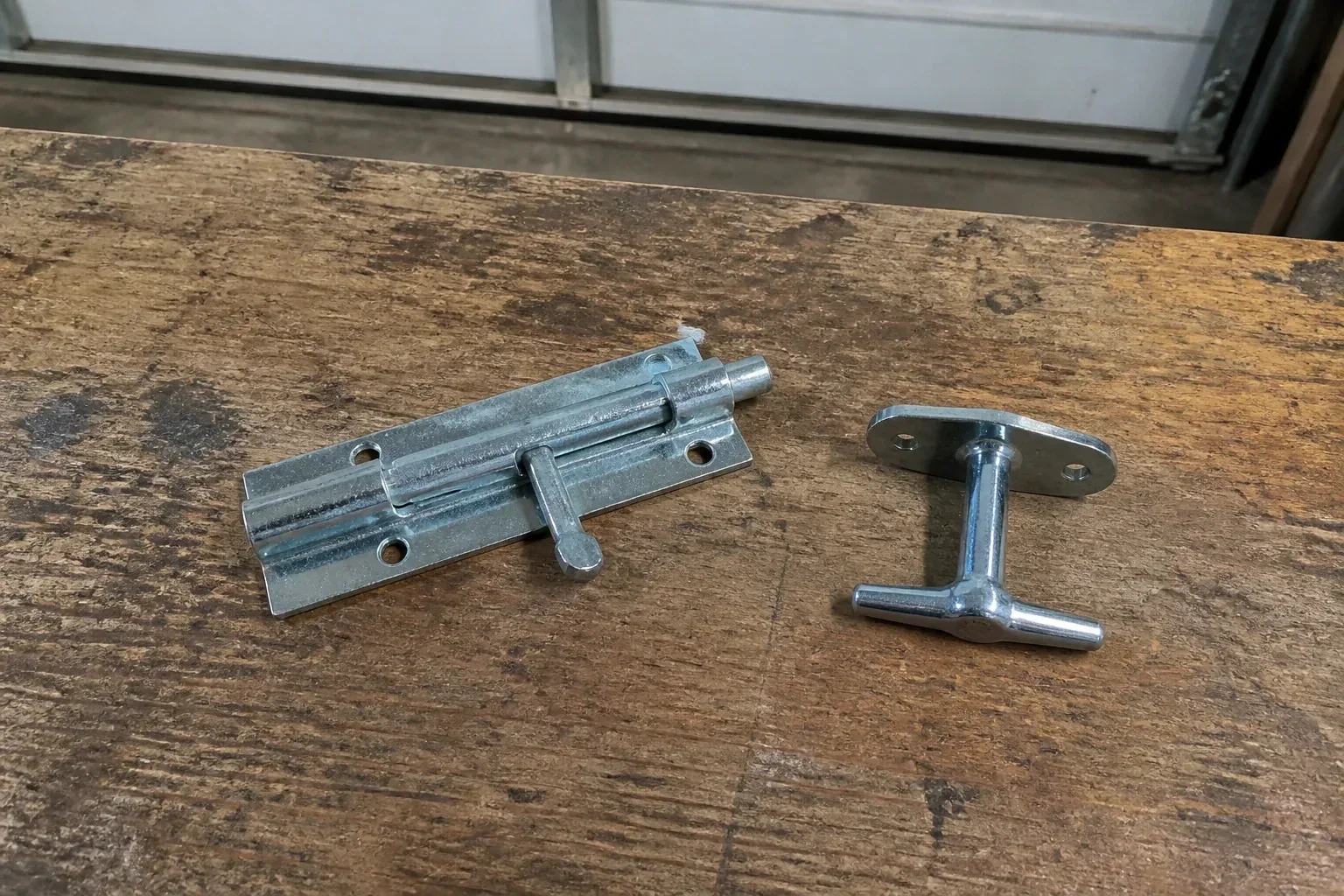
Keyed T-handle lock set
Carriage bolts and backing plates
Inside turn handle and spindle
Inside slide bolt or snap latch
Garage Door Manual Lock Repair
What affects the quote
Corrosion and seized hardware
Screws rusted solid, a cylinder seized in its handle or bars welded into their guides take time to free or cut out, and corroded parts are replaced rather than reused.
Whether an opener shares the door
A powered door adds the coordination step: removing or disabling the bars, demonstrating the console lock-out, or installing an automatic deadbolt if you choose one. Each is priced as chosen.
Steel skin or wood
Thin steel that has let the screws pull, or wood gone soft around the handle, calls for carriage bolts, backing plates or a filler block. That reinforcement is its own line in the quote.
What to have ready
- Would you like the garage lock keyed to match your house key?
- Do you want to be able to lock the door by hand during a power outage?
- Is there an automatic opener on this door?
Garage Door Manual Lock Repair: questions
QuestionsShould the manual lock be removed when an opener is installed?
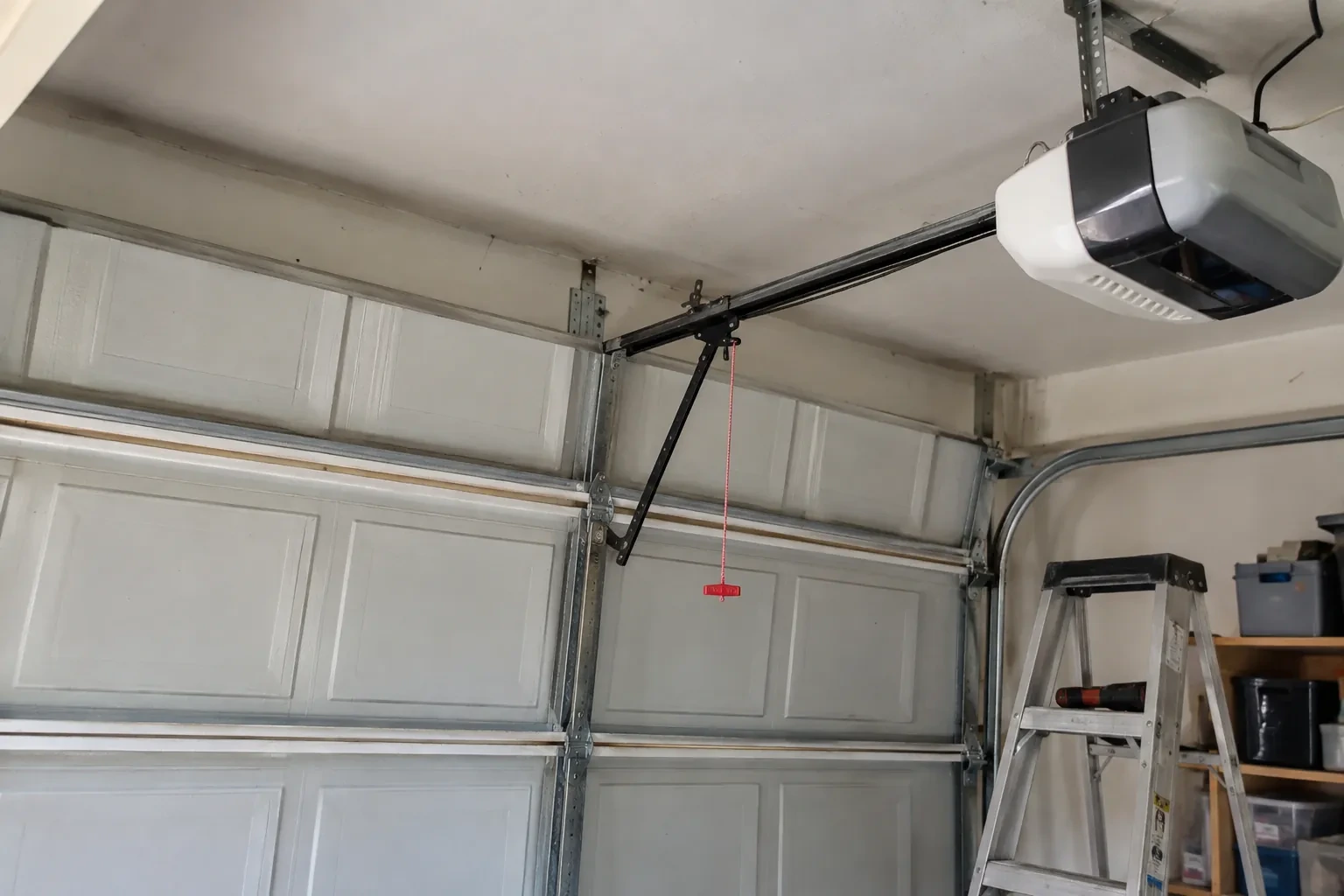
Opener makers ask for it to be disabled or removed, and the door industry's guidance agrees. Disabled can mean the bars are fixed back or taken out while the handle stays for appearance, or a snap latch is held open on its catch. Keeping a lock live for outages calls for a manufacturer-approved interlock, not a label alone, since a reminder and routine are not treated as a substitute for removing or disabling the bars.
What happens during the visit?
The opener is disconnected and the door lowered by hand and checked for level. The lock is identified and examined: handle, spindle, centre body, bars, guides, cylinder, fixings and track slots. Adjustments come first, then any worn parts are renewed, and the lock is worked from both sides with the door shut. The opener is reconnected and run, and you are shown how the lock and opener are to be used together.
I have no key for the outside handle. Can it be made to work?
Yes. The cylinder is removed and either rekeyed to a fresh combination, so any key held by a previous owner is retired, or replaced with a new cylinder carrying the correct tailpiece. New keys are cut and tested in the handle before the technician leaves. If a locked door has to be opened first, the technician confirms your connection to the property as a matter of course.
Related services
- Garage Door Tune-UpThe door lands with a thud you can feel through the kitchen floor, and sometimes it bounces back up a few centimetres before settling.
- Off-Track Garage Door ResetThe rollers on the door have been squealing for months.
- Garage Door Panel ReplacementFrom outside, the horizontal groove between two sections now steps sideways by a centimetre.