Repairs · Richmond Hill
Garage Door Perimeter Weatherstrip
Dry leaves keep appearing in the same corner inside the garage, and this fall there were mouse droppings along the wall beside the door.
In plain words
Around a garage door there are three seals: one on the bottom edge of the door, and two running up the sides and across the top of the opening. Those last two are the perimeter weatherstrip. They are fixed to the stop moulding on the jambs and header, and their flexible fin rests against the door face when it is closed, closing the gap between door and frame. Replacing them means fitting new lengths that meet the door evenly, cutting down how much wind, driven snow, dust, leaves and small animals get through. The bottom seal is handled as its own job, but the two are often done together.
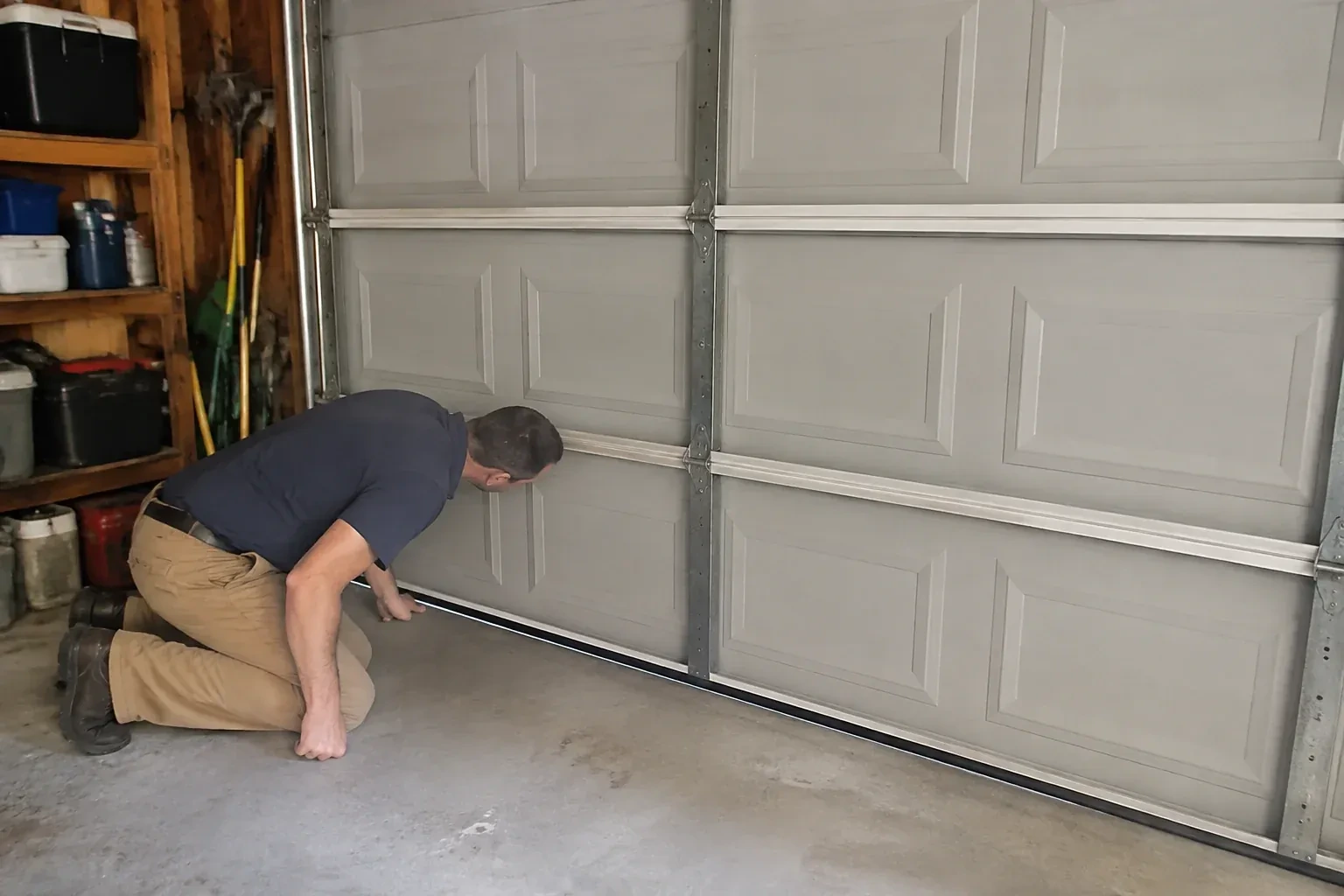
How the visit goesWith the door closed and the garage lights off, a thin bright line runs down the whole left side of the opening. You can see the neighbour's fence through it. The strip that should close that gap has shrunk back from the door.
Garage Door Perimeter Weatherstrip
How the visit goes
The corners and the meeting with the bottom seal
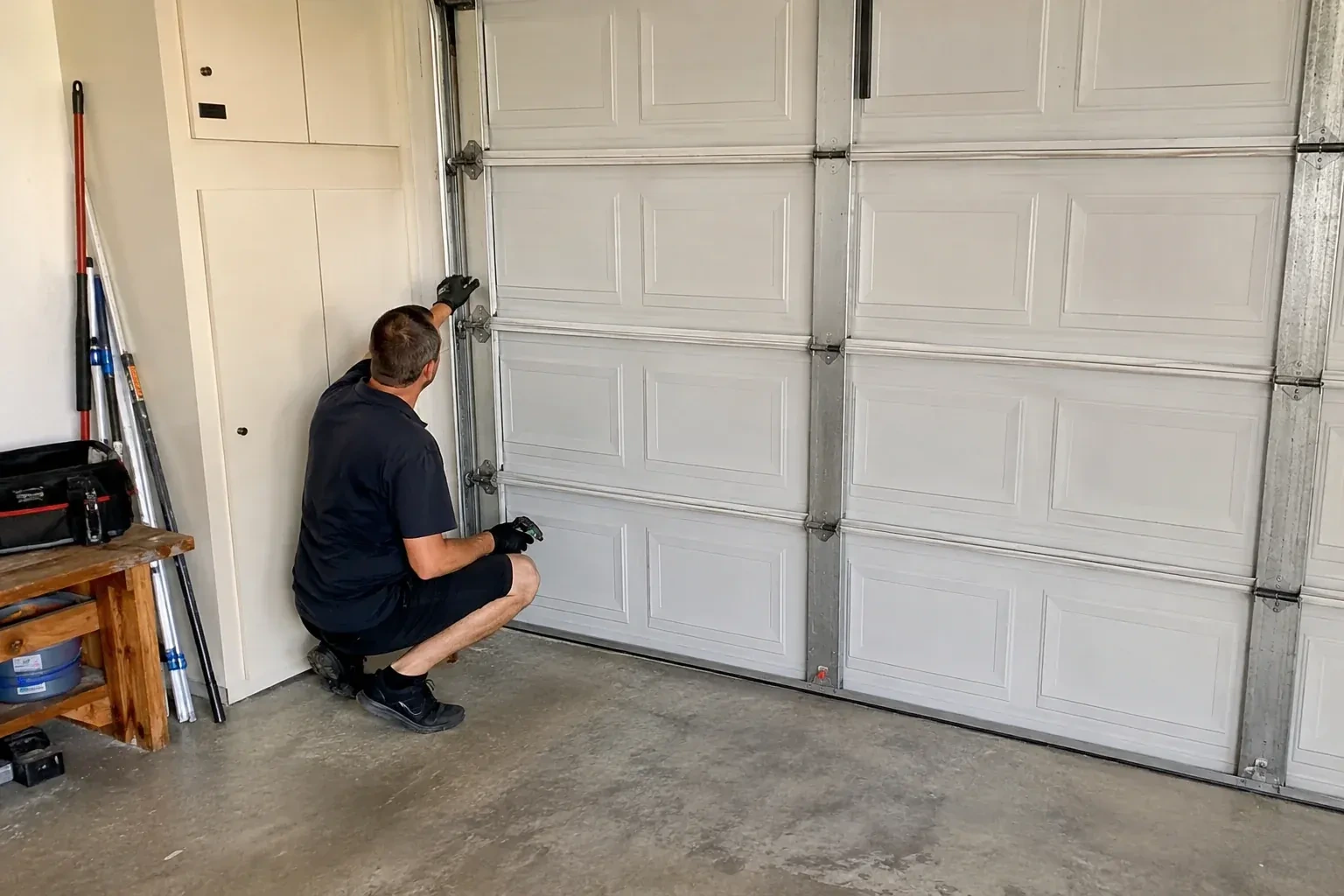
Gaps like to live where pieces meet. The technician looks at both top corners, where the header seal and the side seals should overlap so there is no square hole, and at both bottom corners, where the side seal should run right down to meet the bottom seal on the door. Mouse droppings, leaves and a small drift of snow in one corner are common finds and point to exactly which joint has opened. The bottom seal itself is noted; it is a separate part of the door, but if it is flattened or torn the household is told so both can be renewed in one visit if they wish.
Replacing the wood stop with a one-piece vinyl stop
When the old wood stop is cracked, rotten or buried in paint, it is replaced rather than covered. The one-piece stop, a rigid vinyl moulding with the flexible fin formed along one edge, is cut on a mitre saw to header and side lengths and fitted the same way, header first. It needs no paint, does not rot, and its fin and stop are one part, so the seal cannot peel away from the moulding. Corners are either mitred or the sides butted tight under the header with the fins overlapped. The result looks like fresh trim and works as a seal.
Keep paint off the fin
When the trim is next painted, the flexible fin stays bare. Paint fills the flexible material and stiffens it, and a stiff fin cracks well before its time once the cold takes hold. If the rigid part of the stop is wood, it can be painted, but with the brush kept off the fin or the fin masked. One-piece vinyl stop needs no paint at all and simply washes clean. This single habit is the difference between a seal that stays soft for many years and one that fails early, and it is the most common cause of early failure the technician sees.
Garage Door Perimeter Weatherstrip
In the van
Exterior caulking and gun
Exterior screws and weatherproof staples
Silicone spray lubricant
Epoxy consolidant and exterior primer
Utility knife and mitre saw
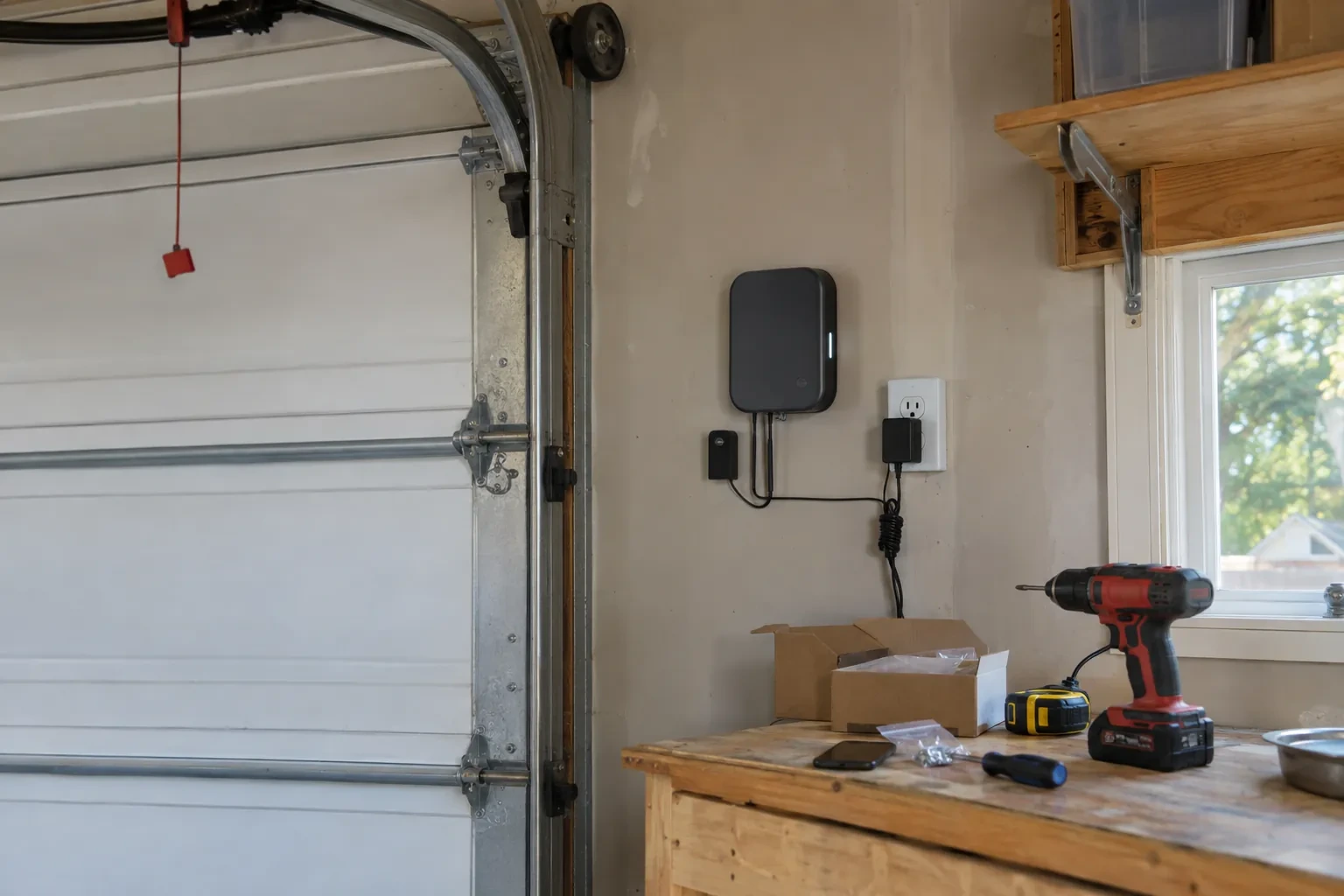
Garage Door Perimeter Weatherstrip
What affects the quote
Trim, brickmould and caulking
Re-caulking the joint between stop and trim, or dressing capping that channels water down the jamb, is small work done while the surface is bare and is listed on its own line.
Colour and profile
Standard colours and fin widths are carried on the truck. A less common colour, an extra-wide fin or a commercial retainer with insert may be a special order, with the difference noted.
Number of doors
Two or three doors on the same property share the set-up time and are quoted together, usually at less per opening than a single door on its own.
What to have ready
- Is it a single or double door, and roughly how wide and tall?
- Is the seal cracked, torn, loose, or missing in places?
- Has the door recently been replaced or adjusted?
Garage Door Perimeter Weatherstrip: questions
QuestionsDoes it matter if my garage is detached and unheated?
The seal still earns its place. It keeps driven snow, rain, leaves and animals out of the garage and off whatever is stored there, and it stops the door edges rattling in the wind. For an attached or heated garage the comfort benefit to the house is added on top. The technician may suggest a simpler fin replacement for a detached shell and a one-piece stop where the garage is lived beside.
Why is there daylight on one side but not the other?
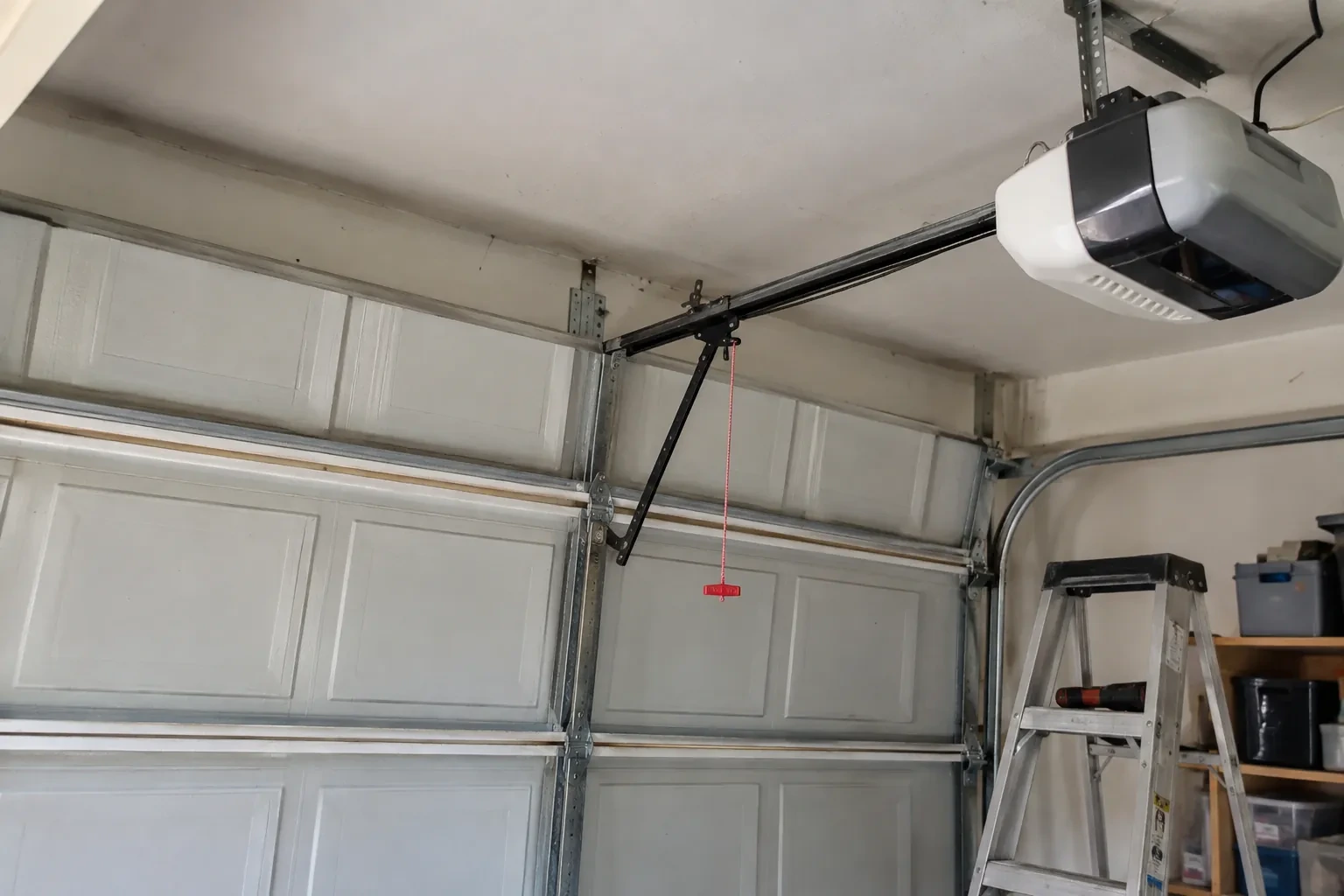
It can be either. Worn rollers, a track bracket that has shifted or a top section that bows can move the door face toward one jamb and away from the other, and a seal that is damaged, shrunk, the wrong size or set slightly off the door face shows the same way. The technician checks both the door's alignment and the seal itself, corrects what is out of true, then fits the new seal to a door that closes evenly.
What should I do before the technician arrives?
Move the car out of the garage or well back from the door, and clear anything stored against the jambs inside and any bins, planters or snow piled against them outside. Leave the door closed so the gaps can be seen as they are. If you have noticed where the daylight, drafts or snow come in, or where the mice appear, be ready to point it out.
Related services
- Garage Door Tune-UpThe door lands with a thud you can feel through the kitchen floor, and sometimes it bounces back up a few centimetres before settling.
- Off-Track Garage Door ResetThe rollers on the door have been squealing for months.
- Garage Door Panel ReplacementFrom outside, the horizontal groove between two sections now steps sideways by a centimetre.