Garage Doors in Richvale, OntarioCrooked in the opening?We can straighten that.
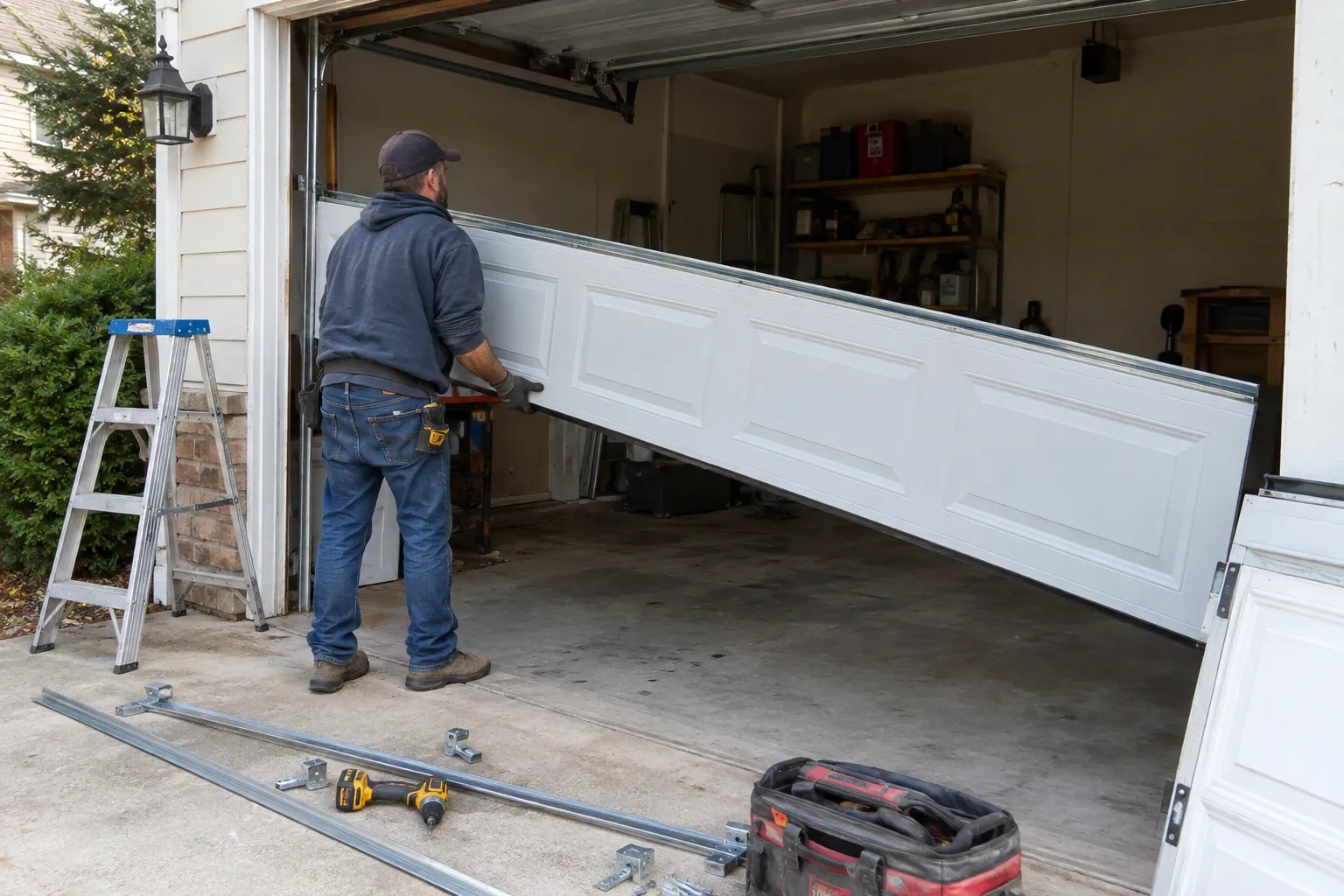
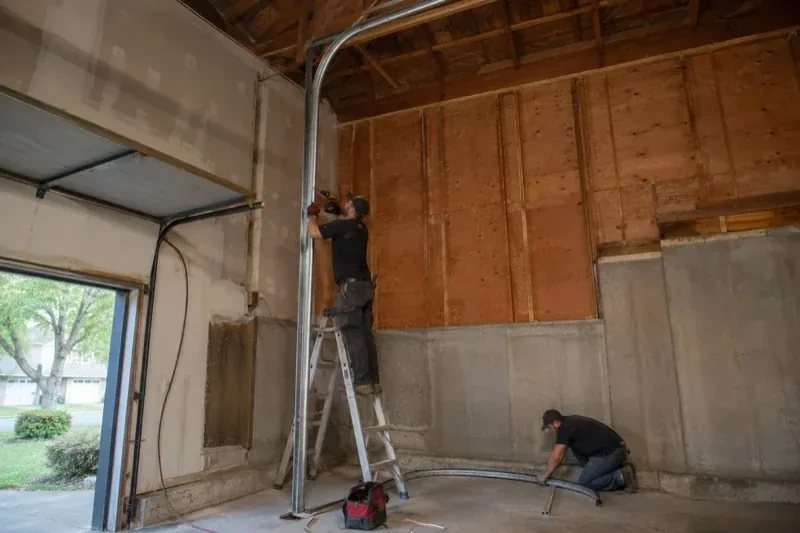
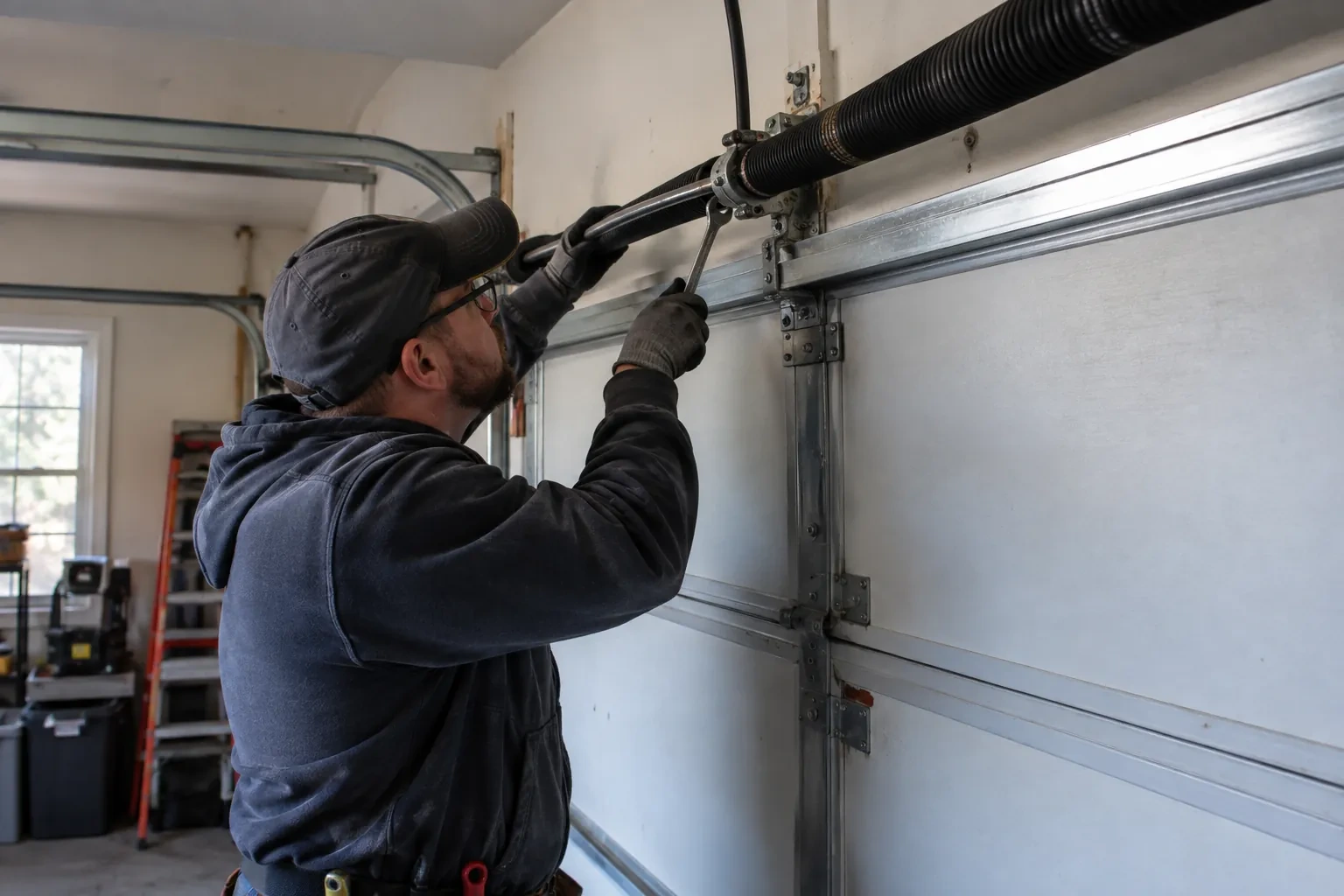
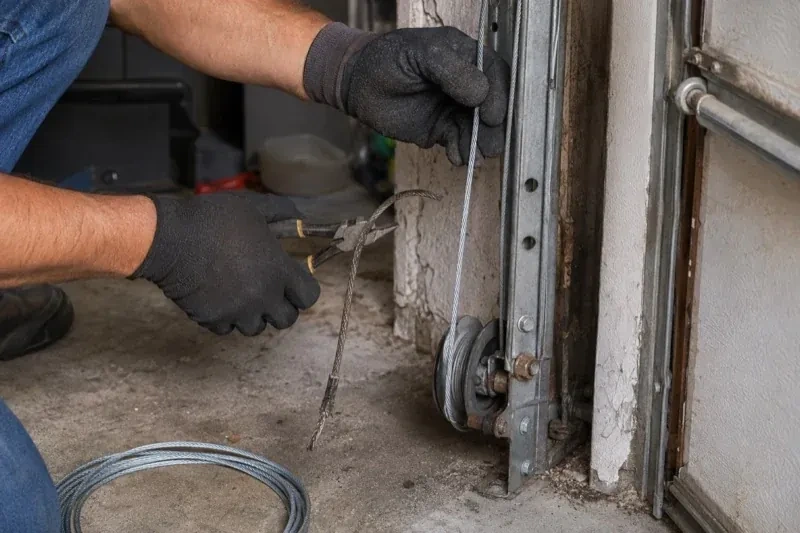
A door sitting at an angle in Richvale almost always means a cable has slipped off its drum or a roller has left the track. We relieve the tension carefully, reseat the door square, replace whatever let go, and look along the tracks for the bend or loose bracket that started it.
A door sitting at an angle in Richvale almost always means a cable has slipped off its drum or a roller has left the track. We relieve the tension carefully, reseat the door square, replace whatever let go, and look along the tracks for the bend or loose bracket that started it.
Bringing older doors up to date.
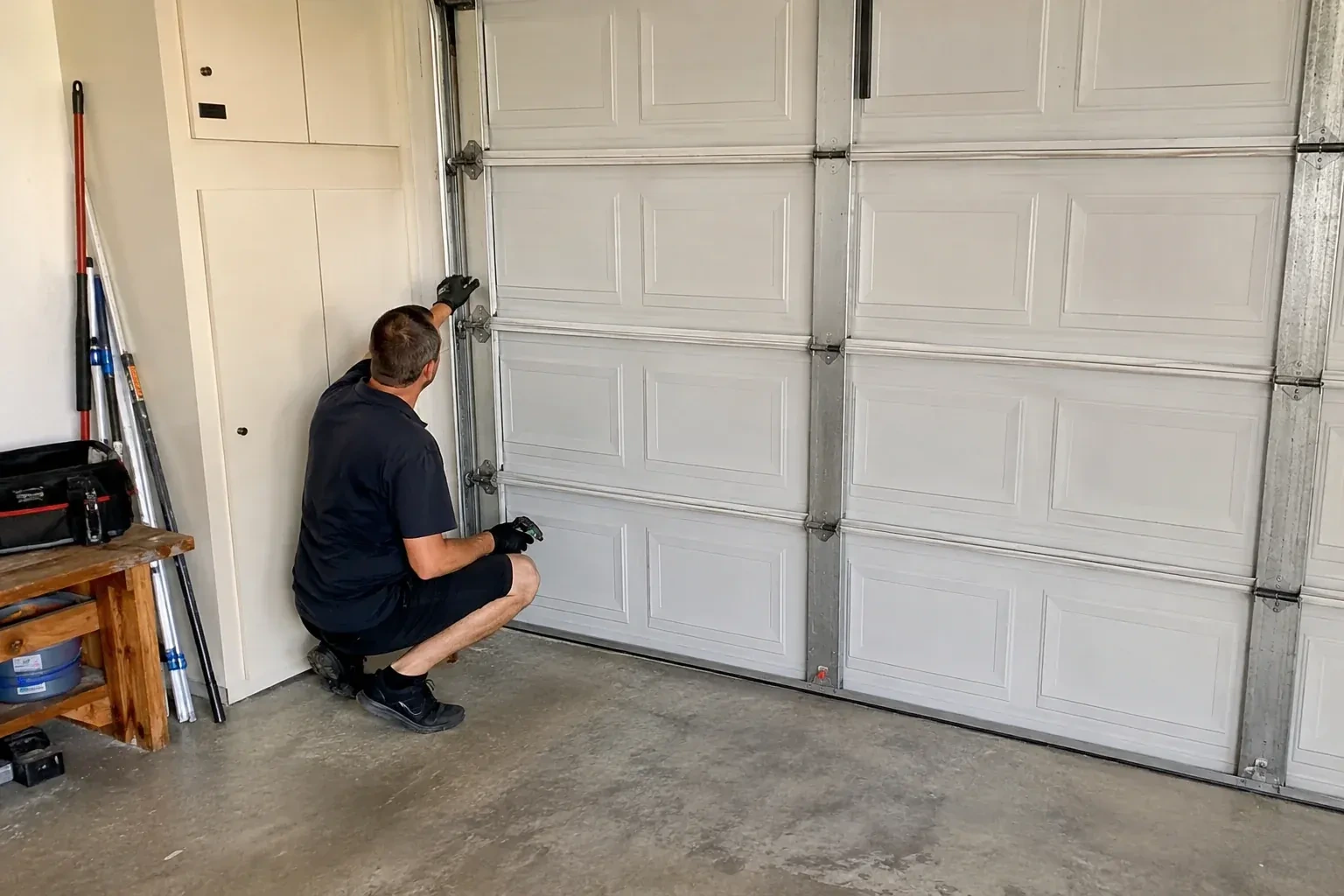
Our way of working in Richvale is simple. Listen to what you noticed, inspect the door from the bottom seal to the header, explain the cause in ordinary words, and offer the sensible options with their prices, on site, before the work begins. Parts that still have life in them are left alone.
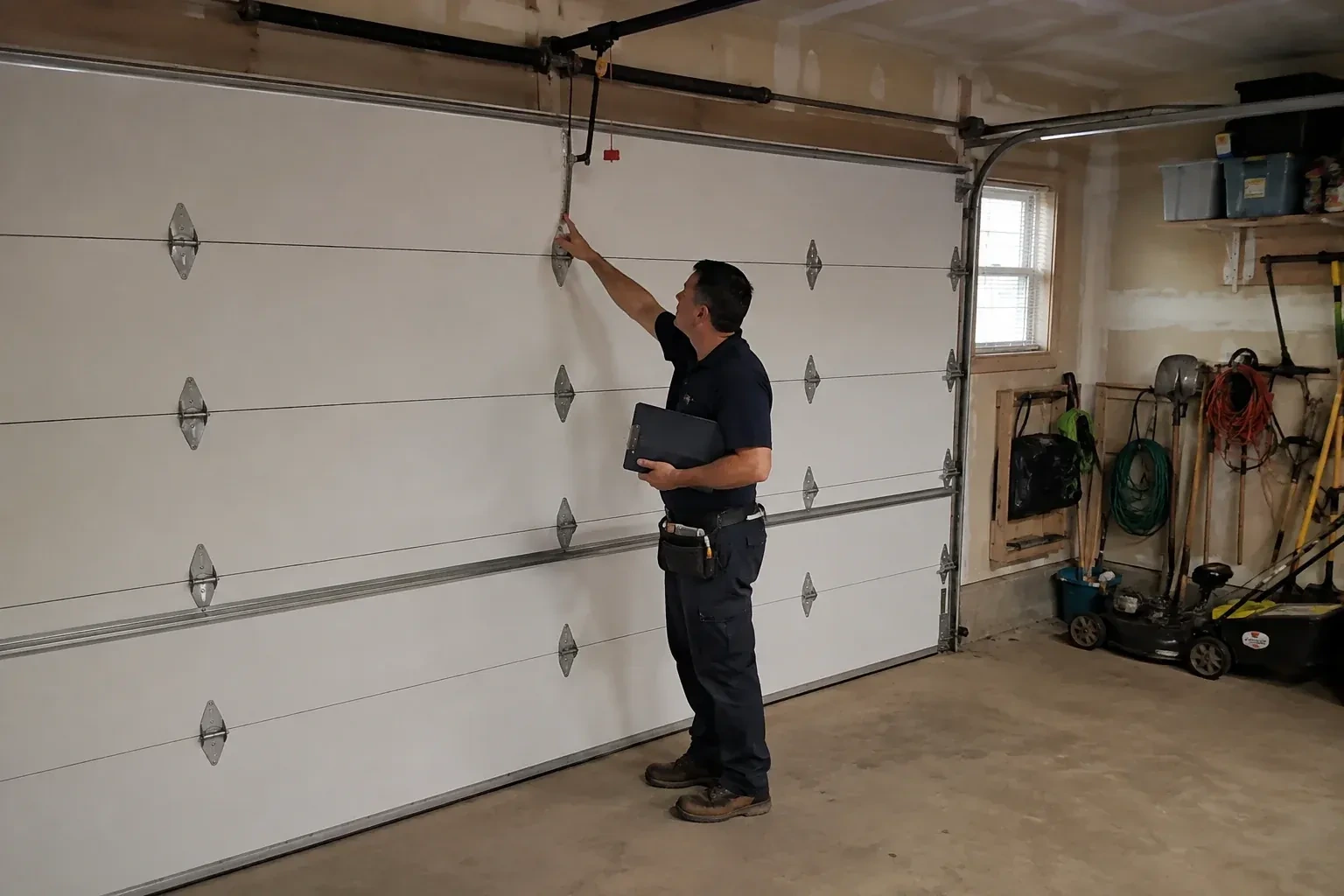
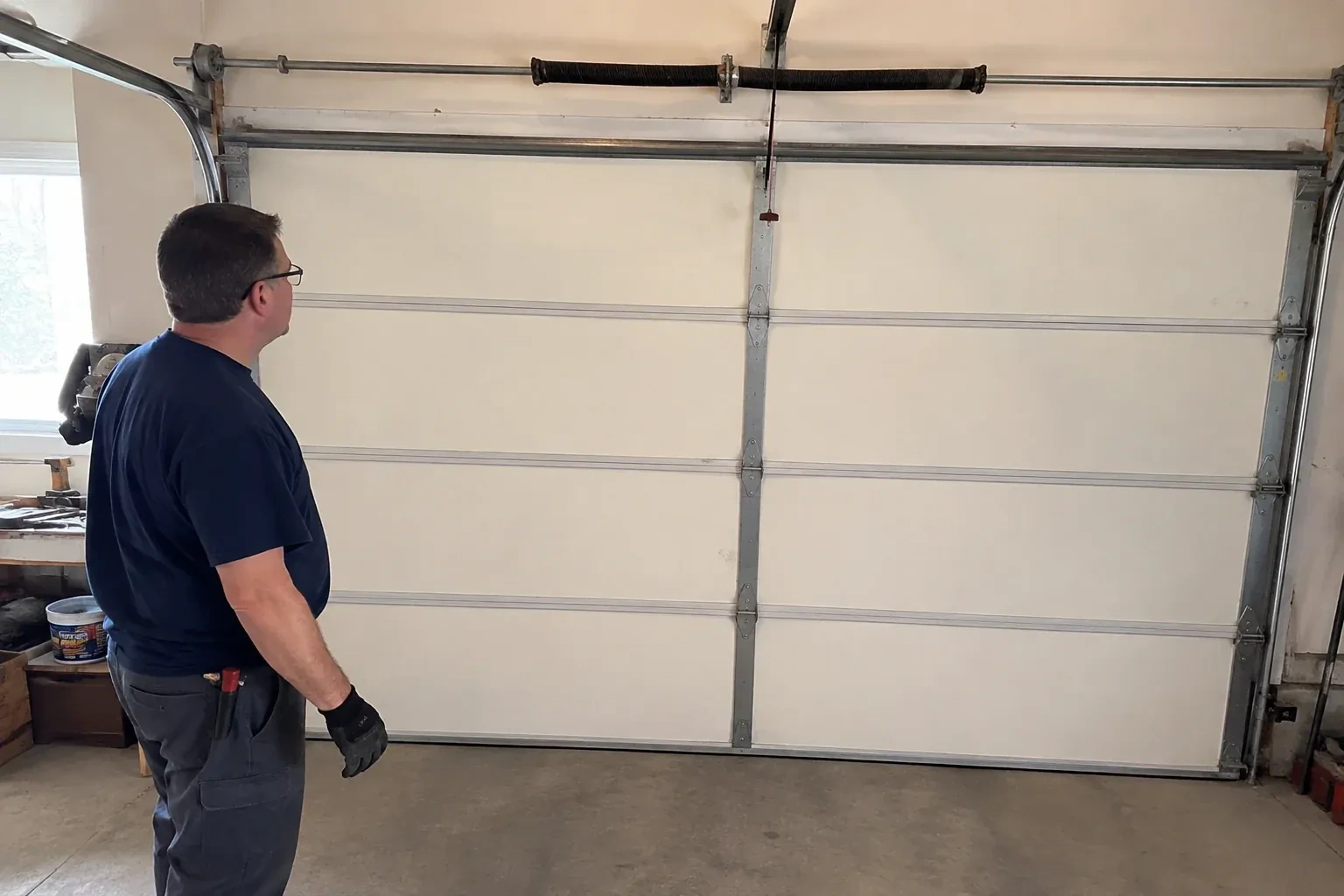
Maintenance is a quiet part of our work in Richvale, and we like it that way. A yearly look at the door, with the balance tested, hardware tightened, rollers and hinges lubricated and sensors checked, keeps small wear from becoming a snapped spring in January. We remind households when the season comes around and handle any repair that turns up along the way.
17years in business
24/7open every day
Nothing hidden. Every part we replace, you can see. Every adjustment, we explain. If we find something unexpected, we stop and tell you before continuing.
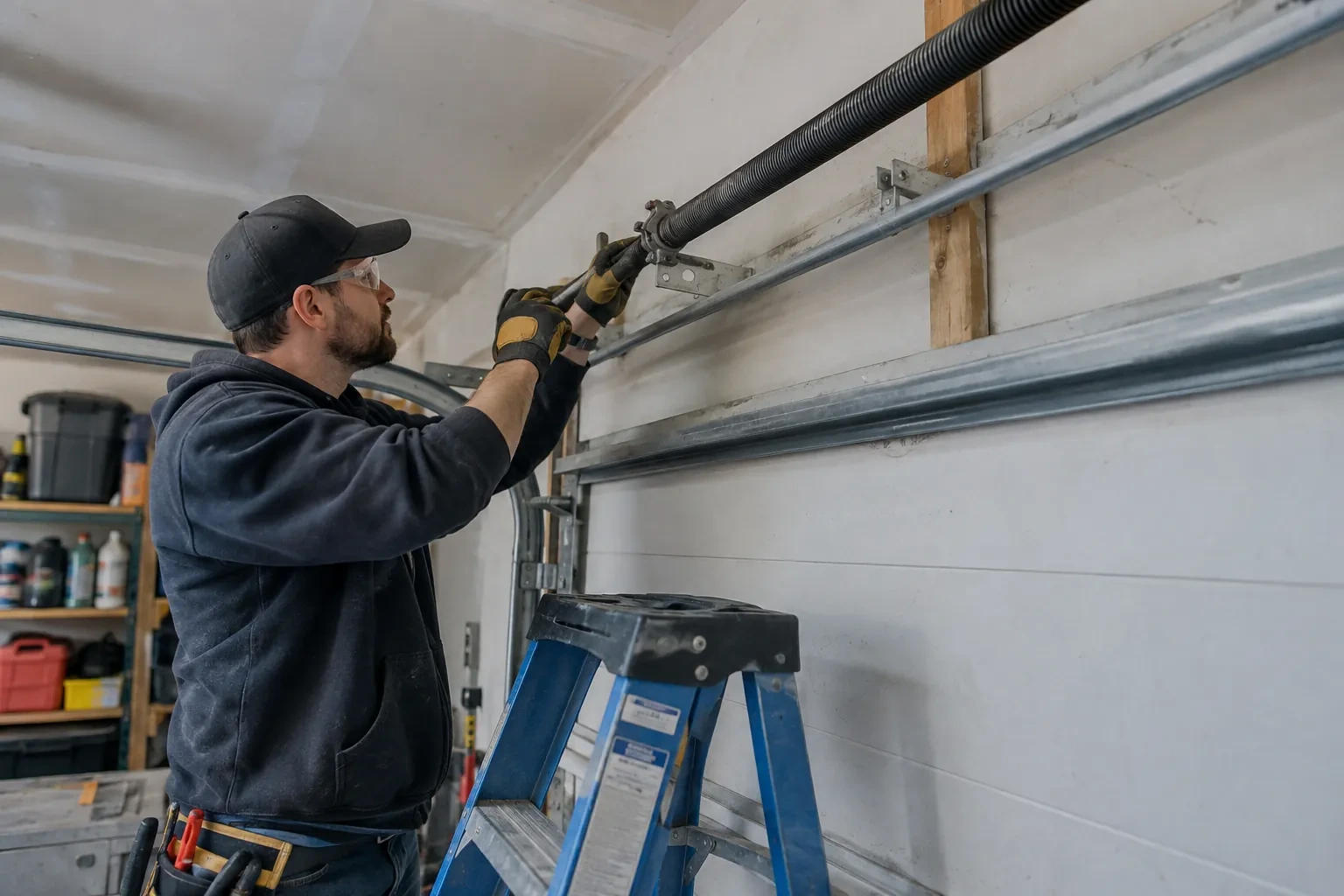
Care with heavy parts. Springs and cables are handled with the right tools and a steady method, and the door is secured before any tension is released.
Clear about what comes next. Before we leave, you know what was done, what to watch for, and when the door might want attention again.
Request a tune-up for your garage door in Richvale.
For properties in Richvale we service the door, the hardware that lifts it and the opener that drives it, and we install new doors and openers when the old ones are done. Residential and commercial work are both covered, each with its own parts, tools and approach.
About 15% of homes in Richmond Hill were built in 1980 or earlier, according to the 2021 Census.
Newer homes
Households in newer neighbourhoods often use the garage as the main entrance every day, which puts far more cycles on the door in a year than an older single door would see. A tune-up schedule matched to that use keeps the springs and opener working within their design.
Single-detached houses make up about 57% of homes in Richmond Hill (2021 Census).
A blend of housing means a blend of garages: spacious attached garages with full headroom on the detached lots, and tight tandem garages with little side room in the attached units. Openers, tracks and springs are all sized at the door rather than assumed from the street.
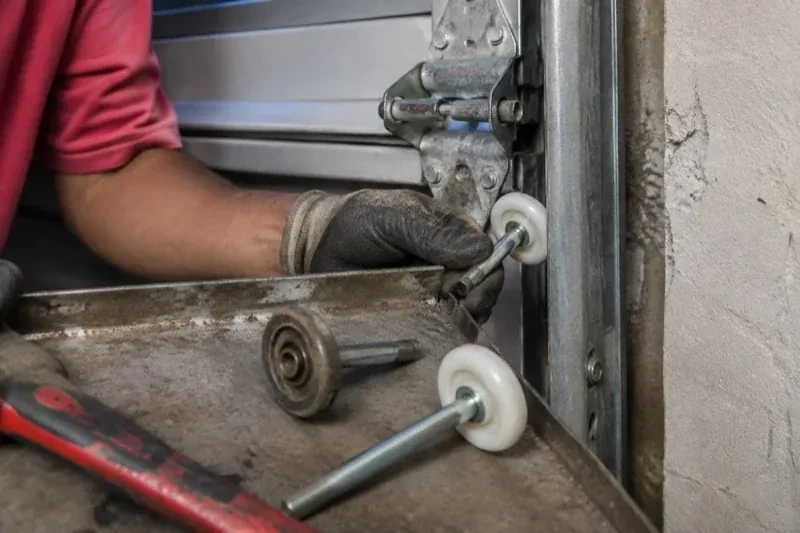
One of the little wheels along the edge of the door has a chunk missing, another sits crooked in its hinge, and there is a fine grey dust on the floor under the track where plastic has been wearing away.
The car nudged the door on the way in. There is a dent low on one end, and above it the hinge that carries the roller is bent so the panel edges rub together and squeal as the door lifts.
The home inspector's report on the house you are buying flags the garage door: extension springs with no safety cable running through them, coils showing rust, and a door that sank when he lifted it partway. The seller has never had it looked at.
Press the button and the motor hums, but the door stays exactly where it is. Under the housing there is a dusting of white plastic shavings, the sign of a stripped drive gear, and this is the second time it has happened.
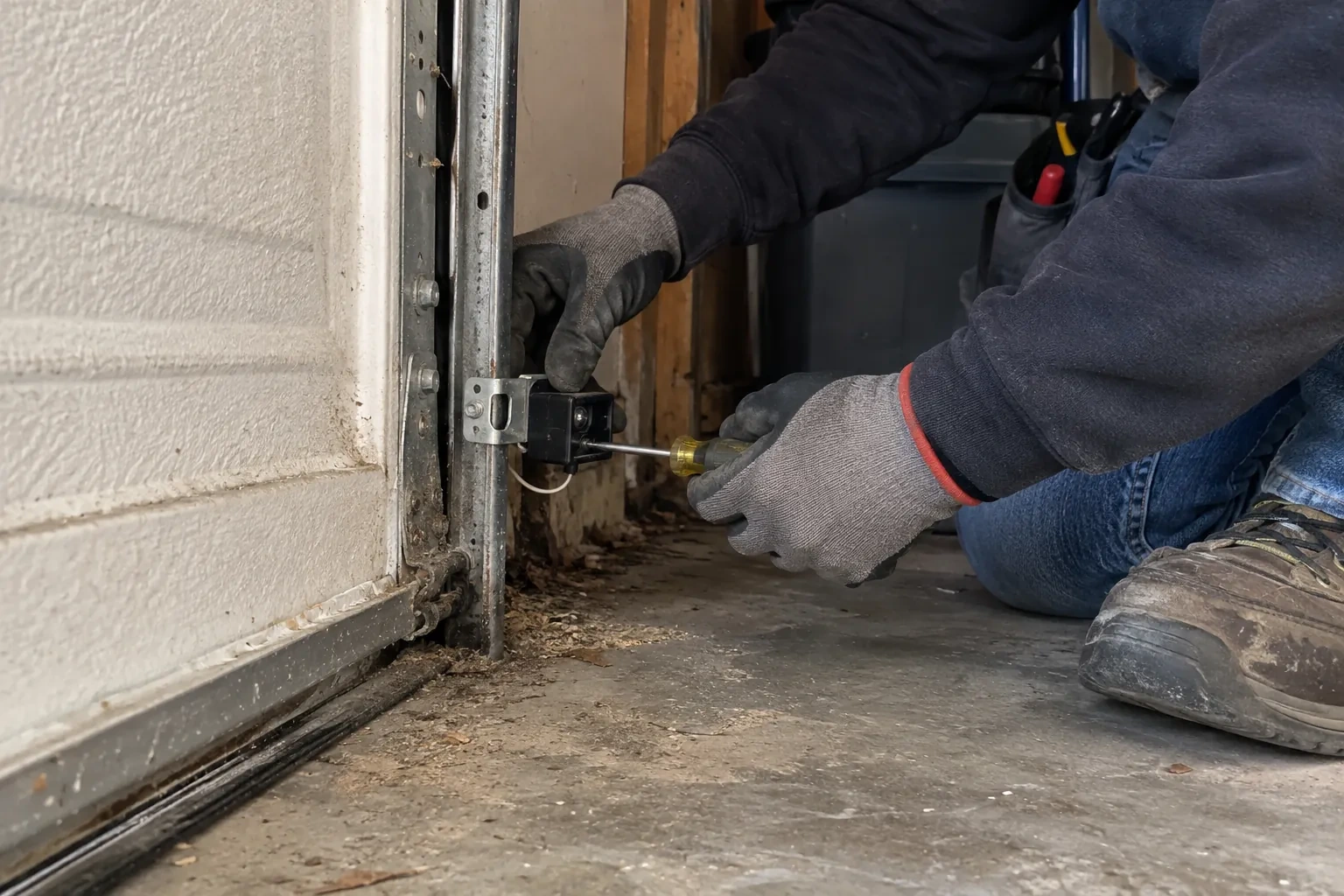
There are no sensors at the floor at all, or a previous owner has wired the pair together up beside the motor so the beam never crosses the doorway. A home inspector has just pointed it out.
Your remote was in the visor when the car was broken into last night. So was the insurance slip with your address on it. The door still answers that remote, wherever it is now, and you would very much like it not to.
You are twenty minutes down the highway when the thought lands: did the garage door close behind you? You cannot picture it. Turning back means being late, and not turning back means wondering about it all day.
The operator runs and the drive chain moves, yet the sectional door hesitates near the floor. It feels unusually heavy during manual operation, pointing to a counterbalance problem rather than a simple control-station fault.
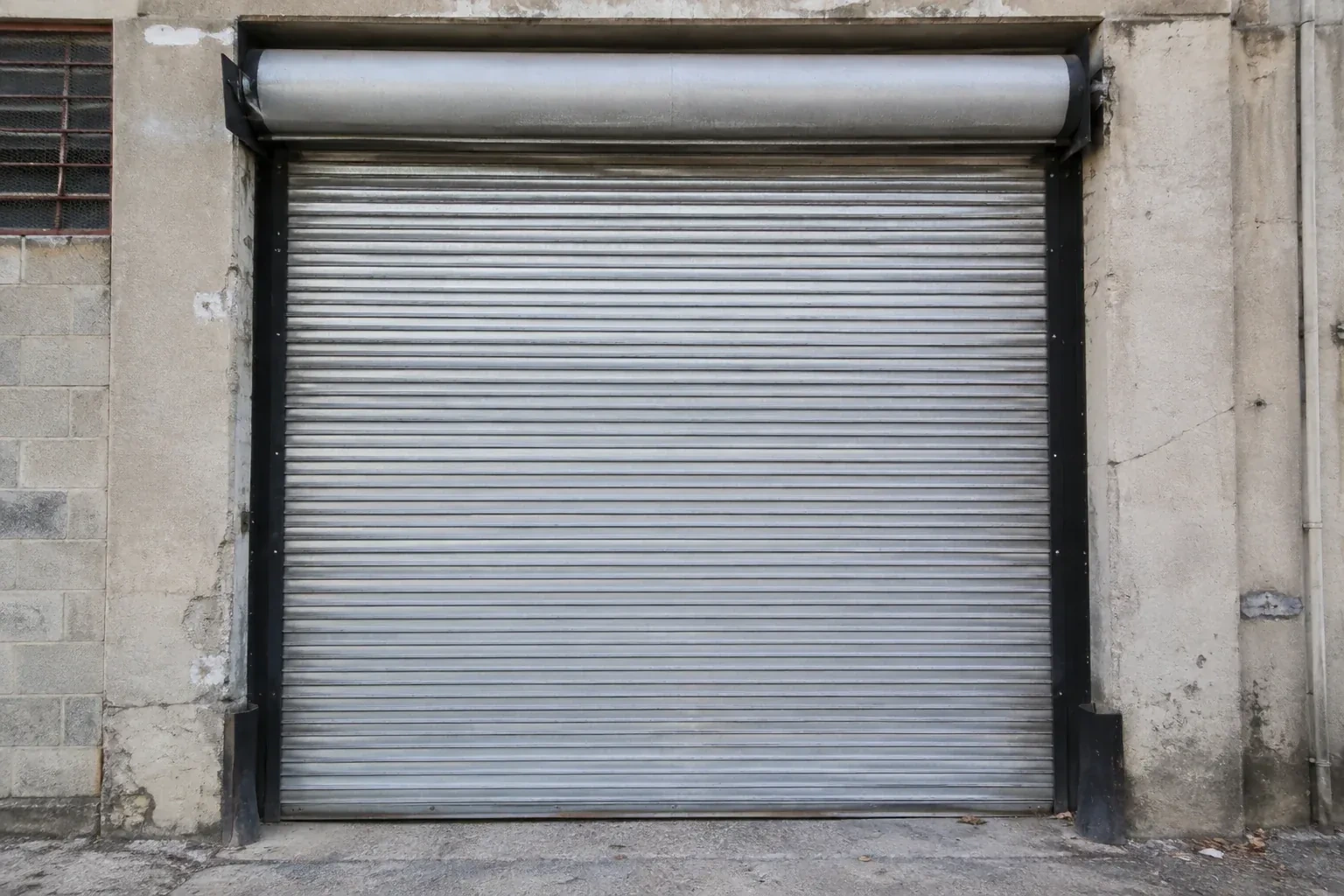
A metallic clatter now comes from inside the hood whenever the curtain coils. The sound follows each revolution, the travel has become jerky, and fine metal dust is visible near one bracket and bearing.
A taller van clears the closed opening comfortably, then loses useful space when the door is raised because the bottom section hangs below the ceiling. The issue is the open position rather than the doorway height.
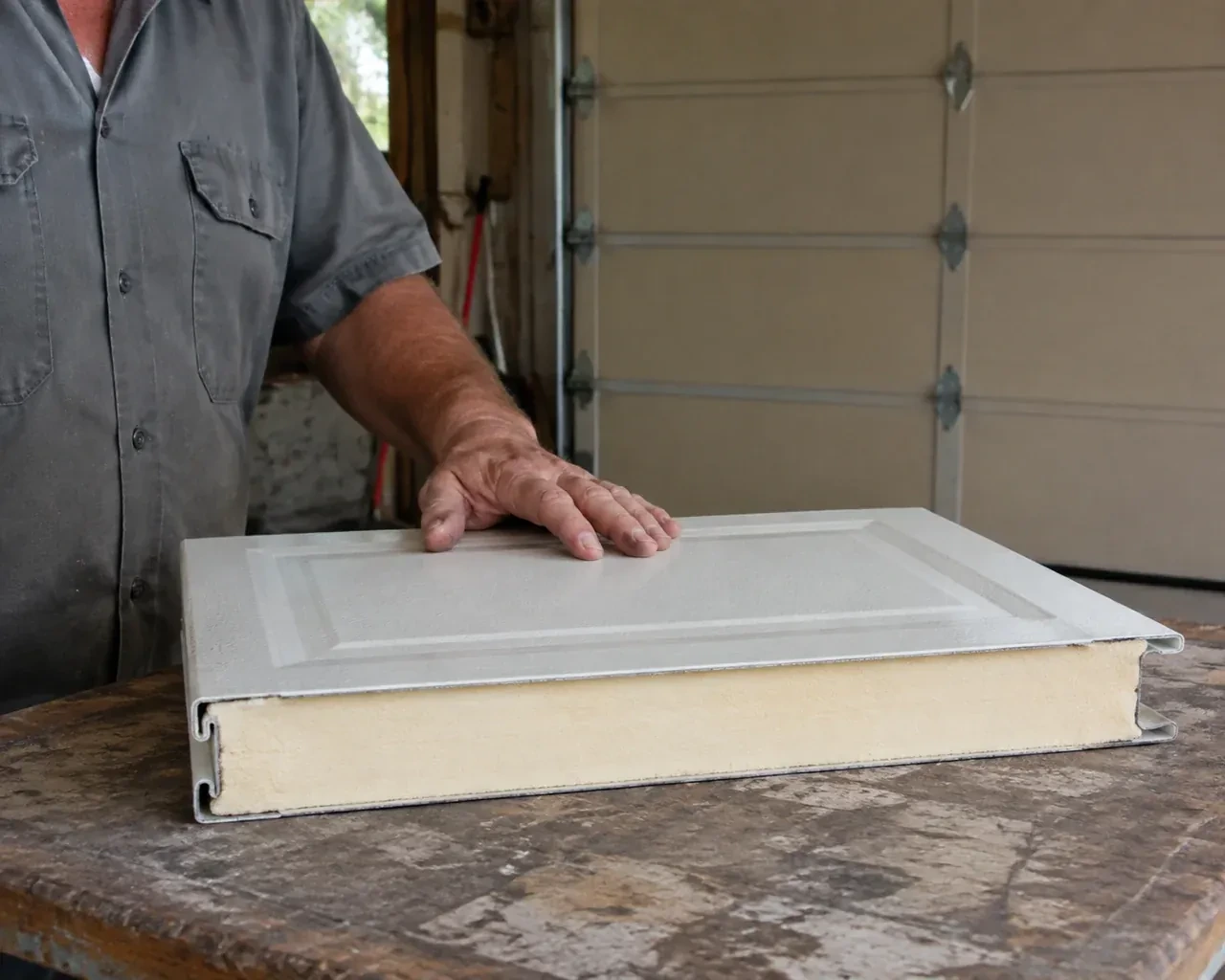
Modern doors are quieter than the ones they replace: nylon rollers, insulated sections that do not drum in the wind and belt-drive openers all contribute. Many people notice the silence before they notice the look.
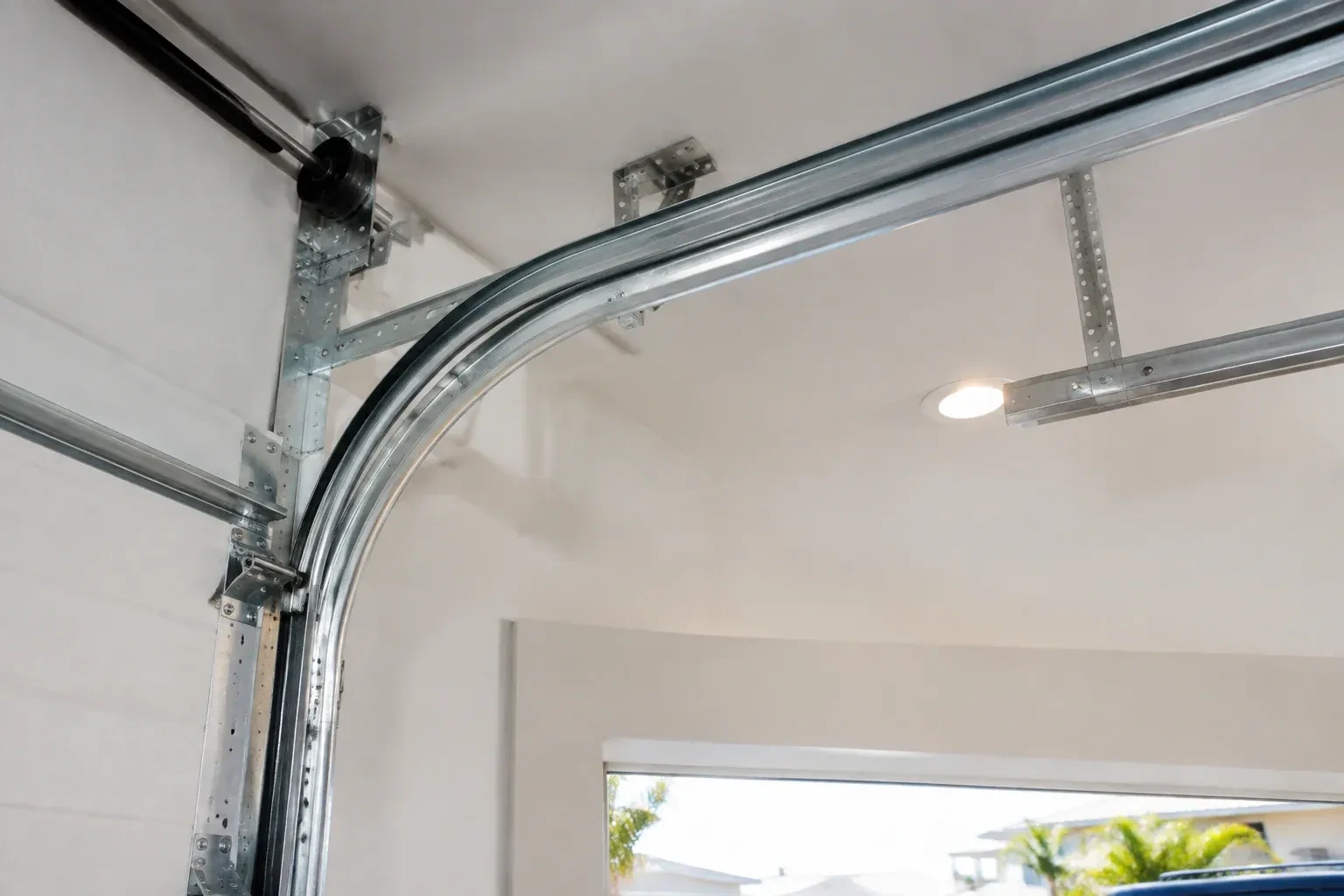
The rail shakes when the door runs. The steel straps holding it to the ceiling have worked loose, the chain rattles the length of the garage, and a bolt has already dropped onto the hood of the car.
It is minus twenty in the detached garage and the door climbs in jerks, the belt stiff as a board. By the afternoon, when the sun has been on the door, it runs almost normally again.
You want the ceiling back. A storage loft, a vehicle lift or kayak racks would fit if the long rail and motor box were not hanging in the middle of the garage, and the low ceiling of an older house leaves little room for the standard rail anyway.
Your daughter gets home from school an hour before anyone else. She has lost two house keys this year, and the garage keypad code has been shared with half her class.
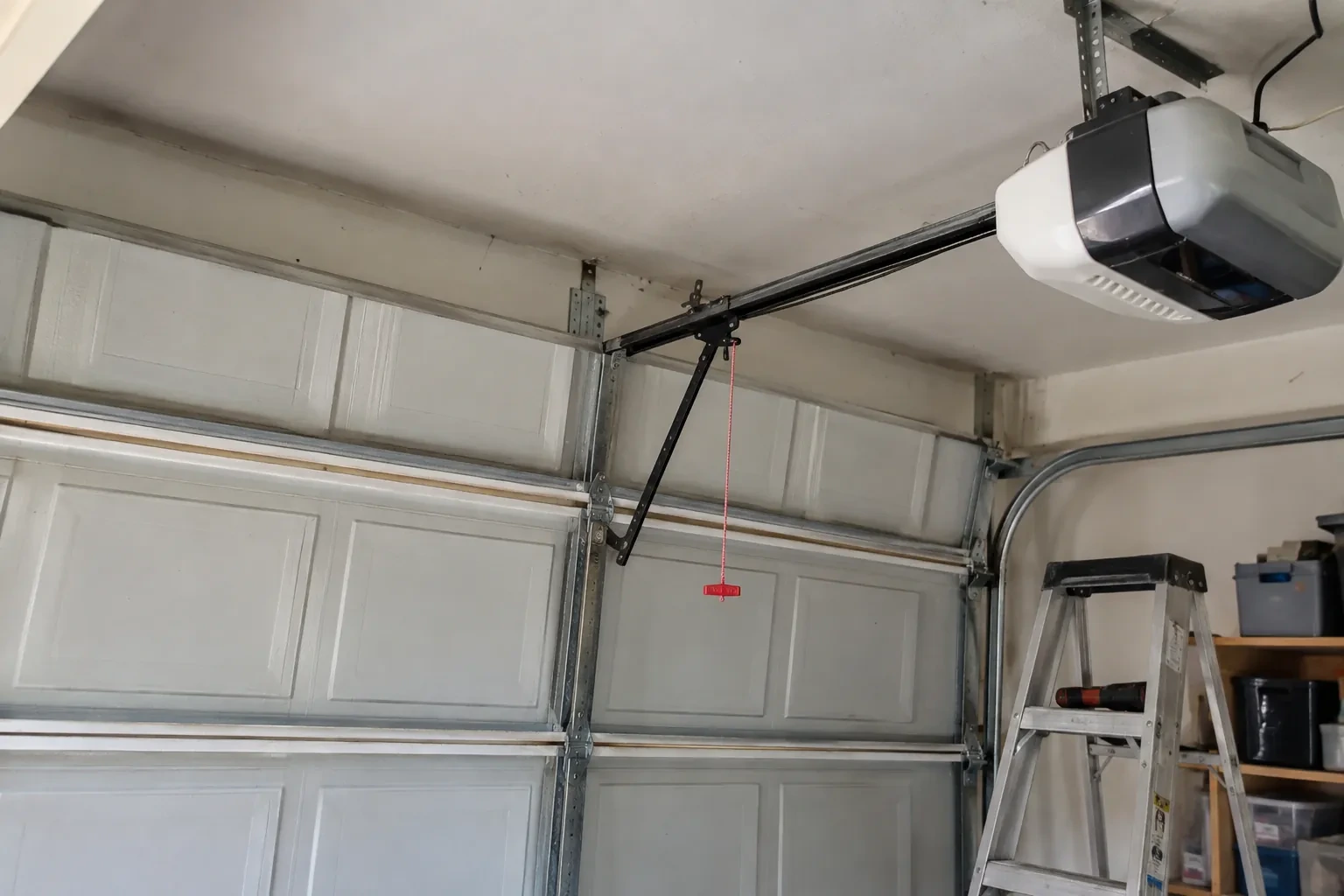
Someone pulled the cord last spring to get a car out during an outage, and the door has never properly rejoined the opener. Press the button and the trolley glides along the rail by itself while the door stays exactly where it is.
Which fix fits?
One of the little wheels along the edge of the door has a chunk missing, another sits crooked in its hinge, and there is a fine grey dust on the floor under the track where plastic has been wearing away.
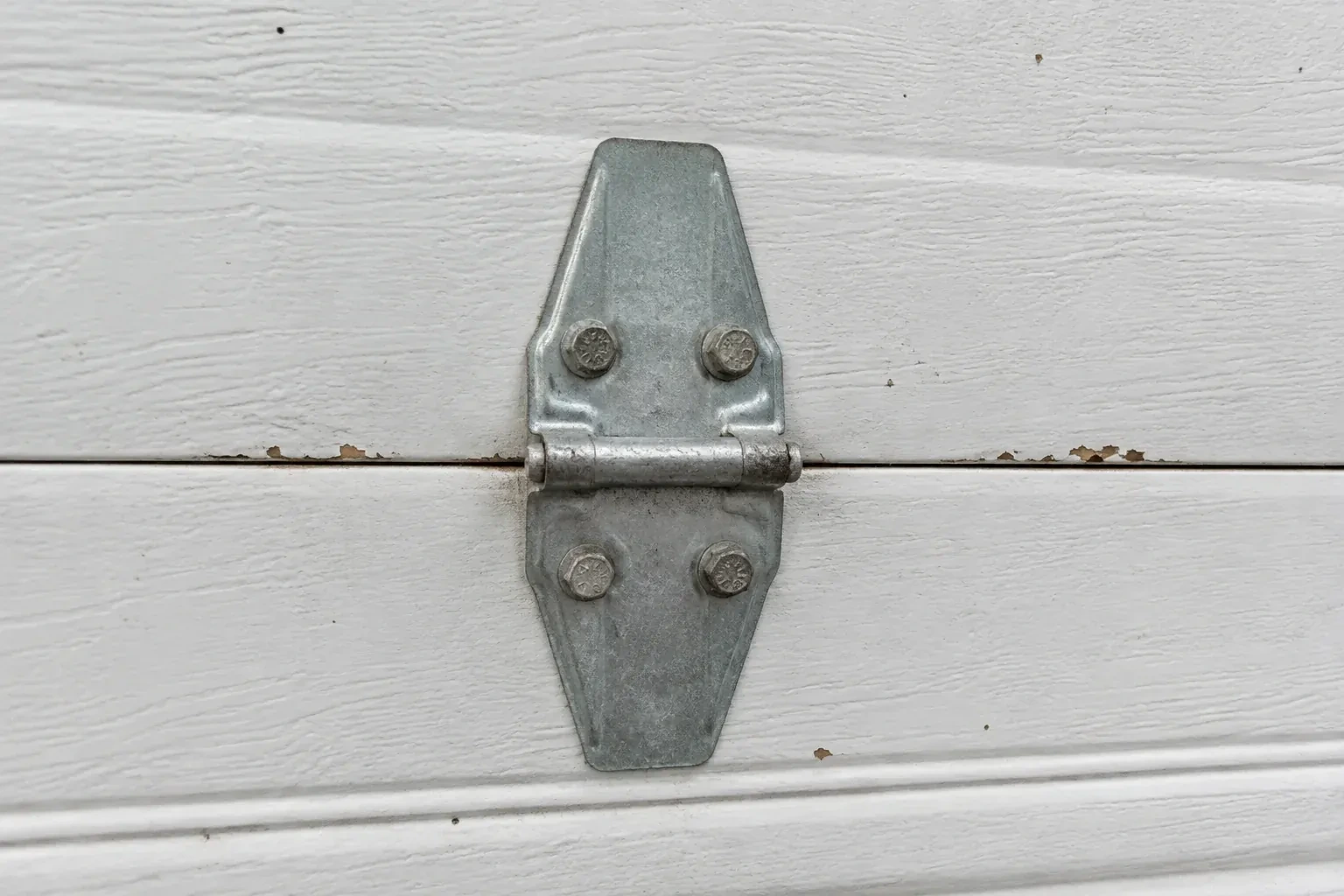
WhyThe hinge is only as good as what it is screwed to.
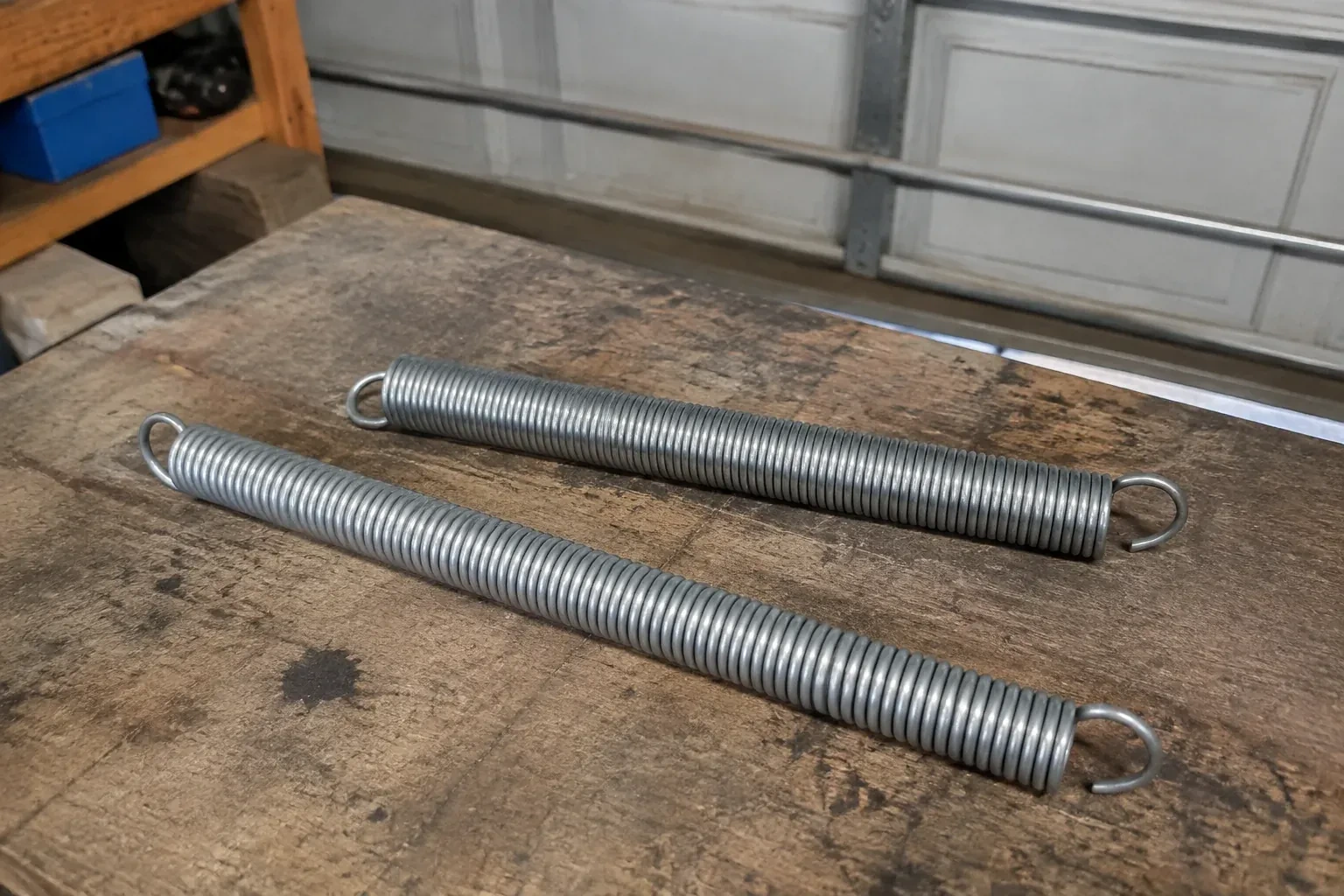
The home inspector's report on the house you are buying flags the garage door: extension springs with no safety cable running through them, coils showing rust, and a door that sank when he lifted it partway.
WhyFor a household here, the most valuable feature is often the simplest: a message that says the door has been open for ten minutes on a January night.
The operator runs and the drive chain moves, yet the sectional door hesitates near the floor.
WhyA rolling door that has become unusually heavy or starts to drift is asking for a counterbalance assessment.
A taller van clears the closed opening comfortably, then loses useful space when the door is raised because the bottom section hangs below the ceiling.
The nylon tire itself needs none; spraying it or the track only collects dust that grinds the wheel. The hinge knuckles and stems where they turn benefit from a light coat of garage door lubricant once or twice a year, worked in by running the door. The ball bearings themselves are lubricated only where the roller's own maker calls for it, since some nylon rollers should not be greased there. Rollers with sealed bearings come greased from the factory and need only a wipe and a look.
Can any hinge go in any position?
Edge hinges belong to their own joint. Put a 3 where a 2 belongs and the roller sits at the wrong reach, so the door binds, gaps at the curve or fails to press against the jamb when closed. Centre hinges are the exception, since they all share the geometry of a 1. The technician reads the stamp on the old hinge or counts the joint from the floor before choosing the part.
How do you know which springs my door needs?
By weight. Extension springs are rated for the weight they lift, so the technician releases the opener and weighs the door on a scale, then matches that figure and the door's height to a spring rating and stretch length. The old springs are measured as a check on wire size, coil diameter and length. Where the two disagree, the scale decides, since doors gain weight from added insulation or panels.
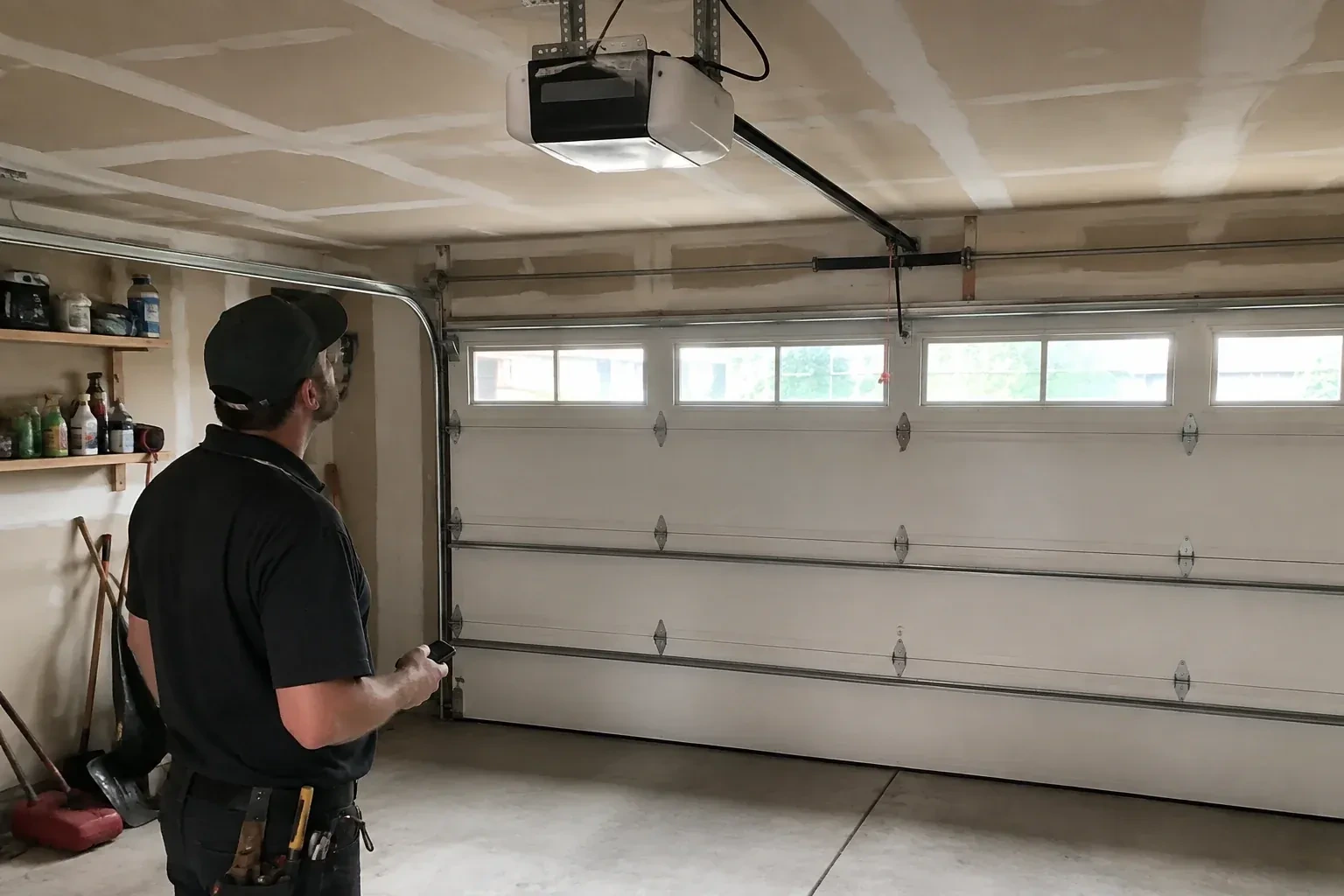
Will a new opener make the door quieter?
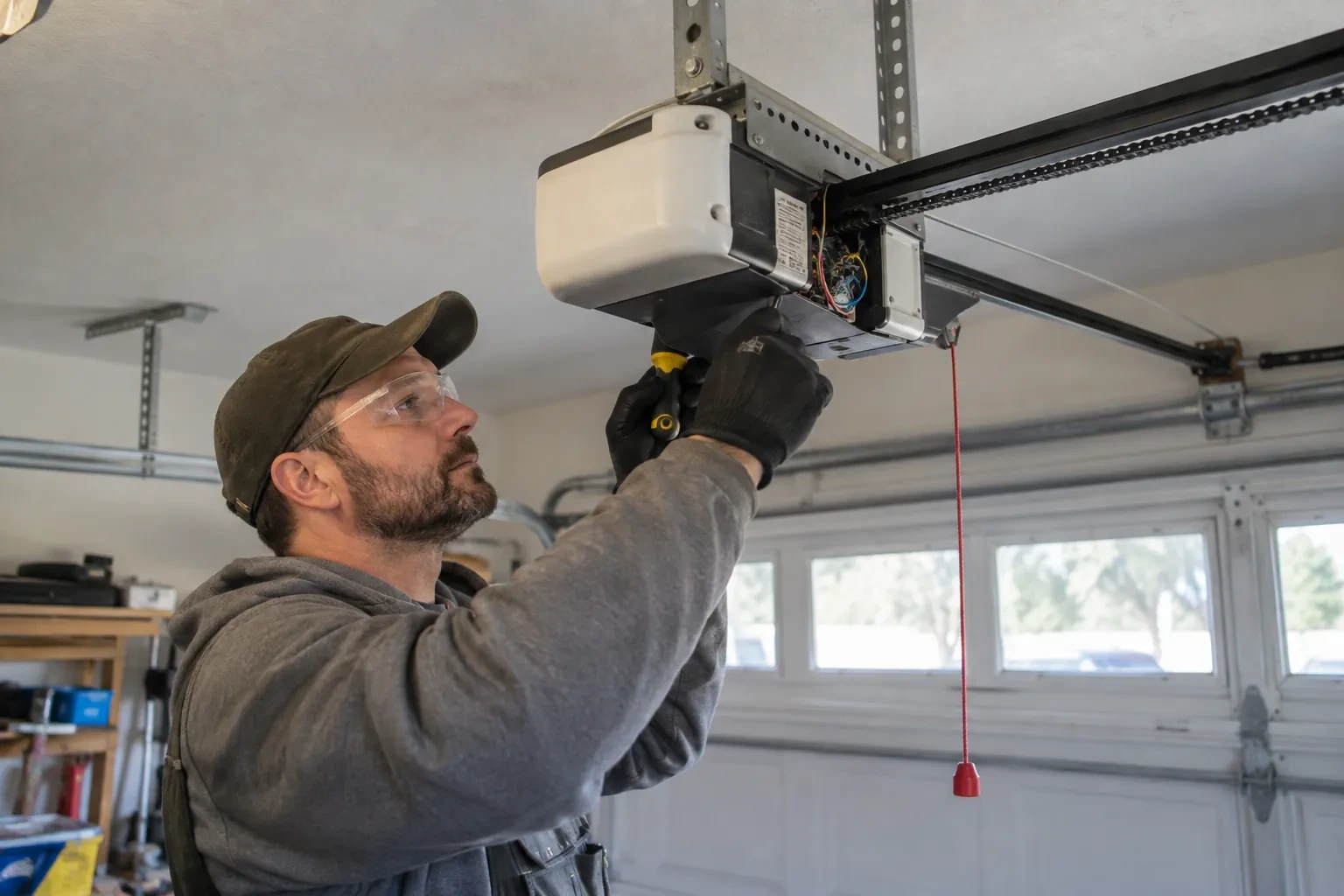
A belt or direct drive with a soft-start DC motor removes most of the operator's own noise, and a level, well-tensioned rail removes the rattle. The door contributes its own sound through rollers, hinges and springs, so the technician looks those over during the balance check and can fit nylon rollers or fresh hinges at the same time. Together the two changes turn a morning rumble into a hum.
What happens during the visit, in order?
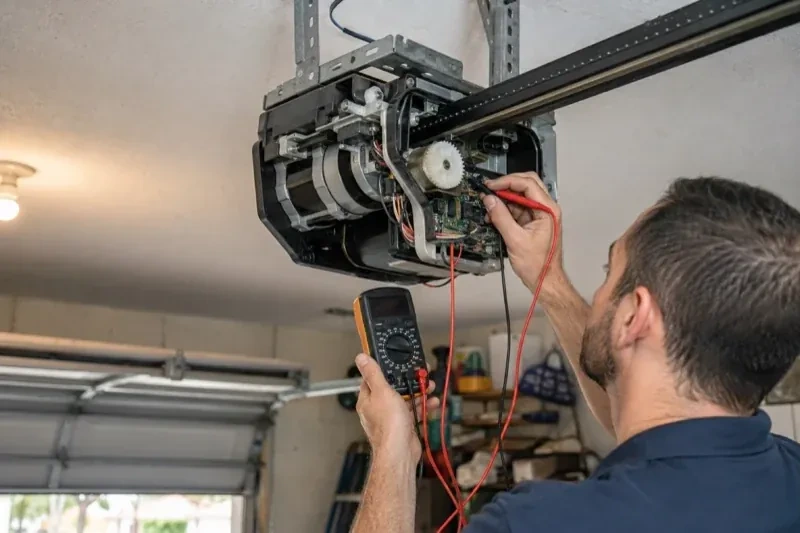
Questions first: what the door does, when it began, what changed. Then the beam path is cleared, the sensor lights are read, the opener's flash code is counted, and the brackets and heights are measured. If the signs point to the circuit, the wire is traced and tested with a meter. The cause is fixed, whether that is alignment, brackets, wire, a shade or a new pair, and the visit closes with the beam test and the contact reversal test.
How long do I have after pressing the learn button?
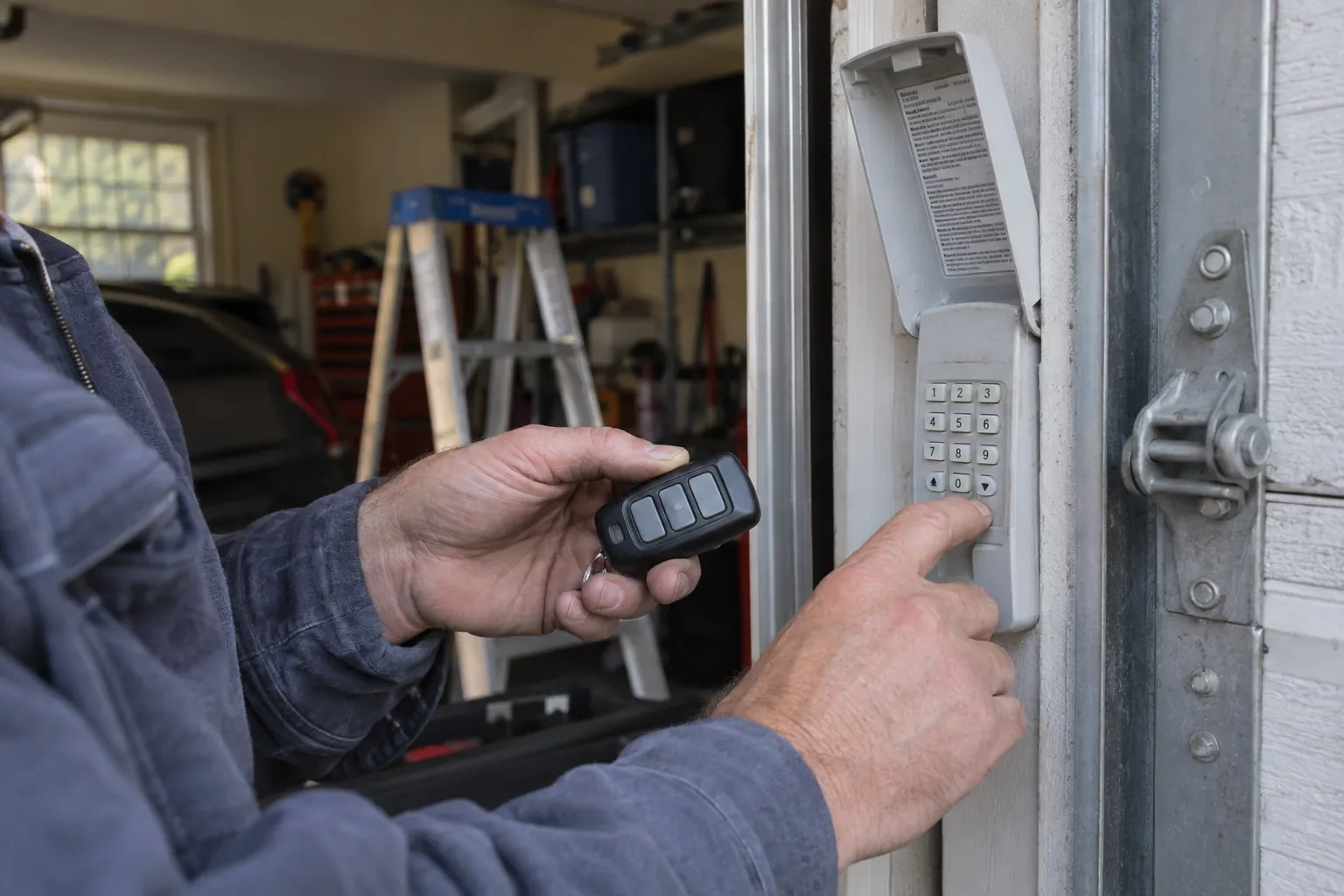
Roughly half a minute on most openers. Press and release the button, then press the remote button you want to use until the opener light blinks or the unit clicks. If the window closes before you finish, simply press the learn button again and repeat. The window is short on purpose, so a passing signal cannot slip into the memory.
My opener already has a wireless symbol on it. Do I still need a hub?
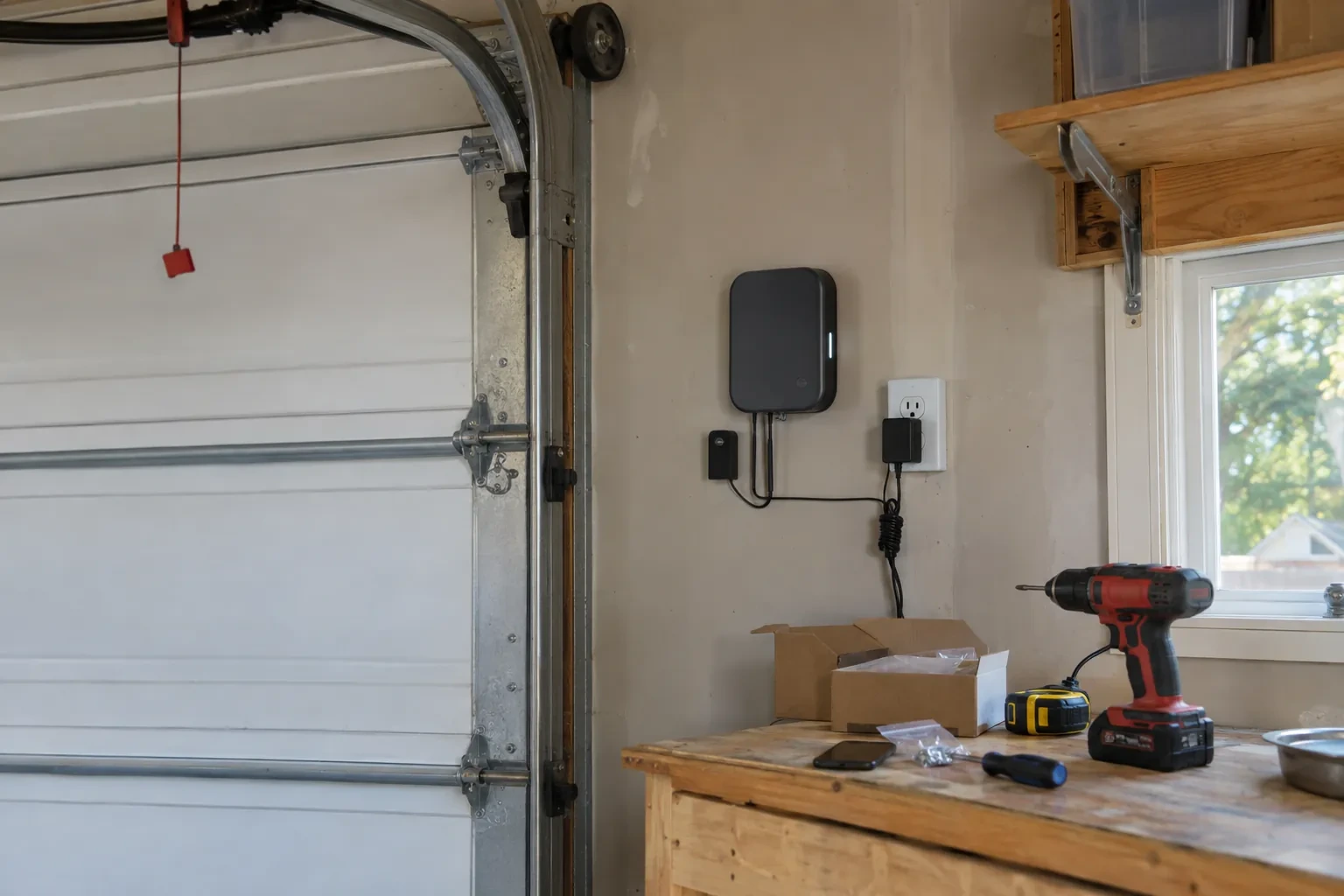
Probably not. An opener with a built-in radio needs only to be put into pairing mode, joined to your network and registered to your account; it reports door position from its own travel sensing, so no separate sensor is required either. The visit becomes configuration and testing rather than installation. The technician also checks that the unit has not been left tied to a previous owner and that its firmware is current.
Does a torn bottom seal always mean a seal-only repair?
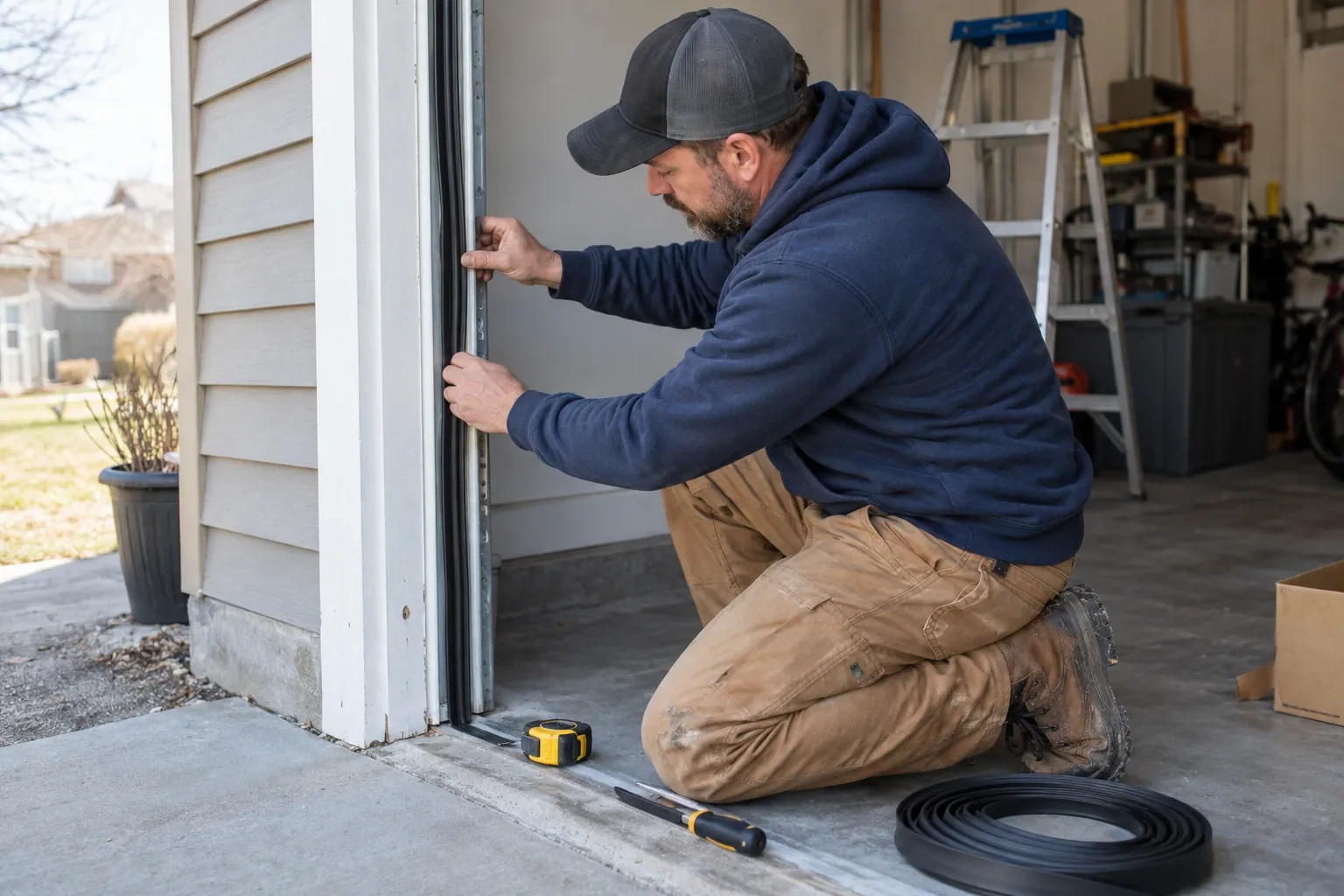
Not always. The rubber may simply be worn, but a bent retainer, uneven floor, crooked door or impact-damaged bottom section can produce the same gap. The technician checks how the door lands before replacing material. Correcting level or retainer shape first allows the new seal to contact evenly without being stretched to compensate for another fault.
Can individual bent slats be replaced?
Many interlocking steel curtains allow a damaged group of slats to be removed and renewed with compatible pieces. The technician also checks neighbouring joints, endlocks, guides and the coil because an impact can spread force beyond the visible dent. Curtain material, profile, gauge, finish and fire-rating status all influence whether sectional repair is suitable.
Can I keep my existing garage door sections?
Sound sectional panels can often remain, subject to inspection. Their construction, reinforcement, hinges, rollers, top fixtures, weight and condition are reviewed for the new travel path. Reusing the door does not automatically mean reusing its track or counterbalance parts, since those components are selected for the changed geometry. The assessment identifies retained and replaced items separately.
Request a visit
Our way of working in Richvale is simple. Listen to what you noticed, inspect the door from the bottom seal to the header, explain the cause in ordinary words, and offer the sensible options with their prices, on site, before the work begins. Parts that still have life in them are left alone.