Springs · Richmond Hill
Garage Door Cable Replacement
After years of slushy winters the cables look thinner near the bottom brackets, with rust streaks running down the door where they attach.
In plain words
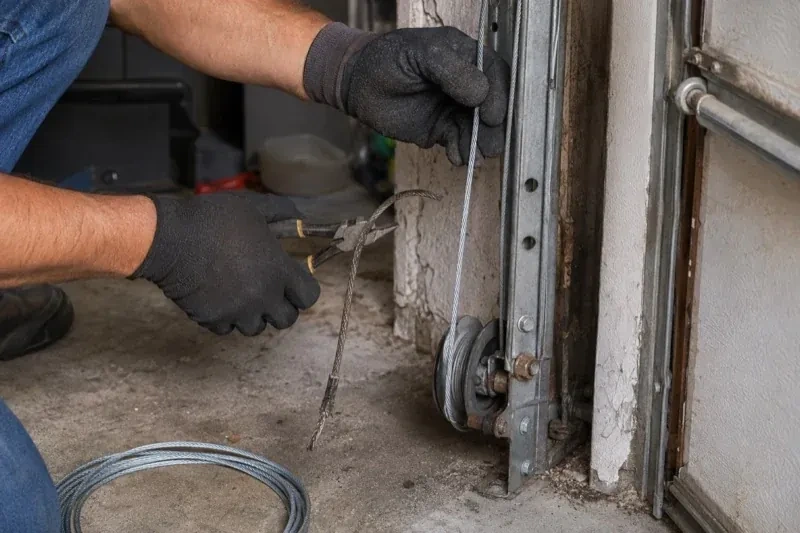
Two steel cables do the lifting on a sectional garage door. Each runs from a bracket at a bottom corner up to the counterbalance, and the springs pull on the door through them. Cable replacement renews that link. The technician secures the door, takes the tension off the springs, removes the worn or displaced cables, fits new ones matched to the door's height and weight, and re-tensions everything so both corners rise together. The result is a door that travels level again, closes flush to the floor, and asks the opener for the modest effort it was designed to give.
How the visit goesYour older door has springs along the tracks, and one cable has slipped off its pulley and dangles slack. The door lifts crooked and needs a shoulder to close, when it used to glide.
Garage Door Cable Replacement
How the visit goes
The drums and their set screws
On a torsion door the cable drum is where most trouble starts or shows. The technician checks that each drum is tight on the shaft and that its set screws have not loosened and let it creep, which shortens the effective cable on that side. The groove is inspected for wear ridges, cracks and burrs that would chew through a new cable, and the slot that holds the cable stop is checked for damage. Where the old cable jumped its groove, the drum is examined for the mark it left and for whether the drum or an obstruction under the door was the cause. A worn drum is replaced with its mate.
Setting the door level
Before any spring tension returns, both cables are brought to the same tension. The technician rotates each drum until the slack is gone and the cable is snug in its groove, then tightens the set screws onto the shaft, often onto a small flat so the drum cannot creep. A level on the top section confirms the door sits square in the opening, and the gap under the bottom seal is checked along its length. If one corner sits high, the drum on that side is eased and reset. This is the moment that decides whether the door will run straight for years, so it is not hurried.
A door that runs level and quiet
The first thing you notice is a door that rises squarely, with both bottom corners leaving the floor together and the top section staying flat as it turns into the horizontal track. The bottom seal meets the slab along its whole length, so the draft and the strip of daylight at one corner are gone. The opener sounds calmer, because it is moving a balanced door rather than dragging a crooked one, and it stops reversing for no apparent reason. If you lift the door by hand with the opener released, it moves with light effort and holds where you leave it. That is what a correctly cabled door feels like.
Garage Door Cable Replacement
In the van
Torsion springs and winding cones
Track clamps or locking pliers
Bottom brackets with cable pin
Silicone garage-door lubricant
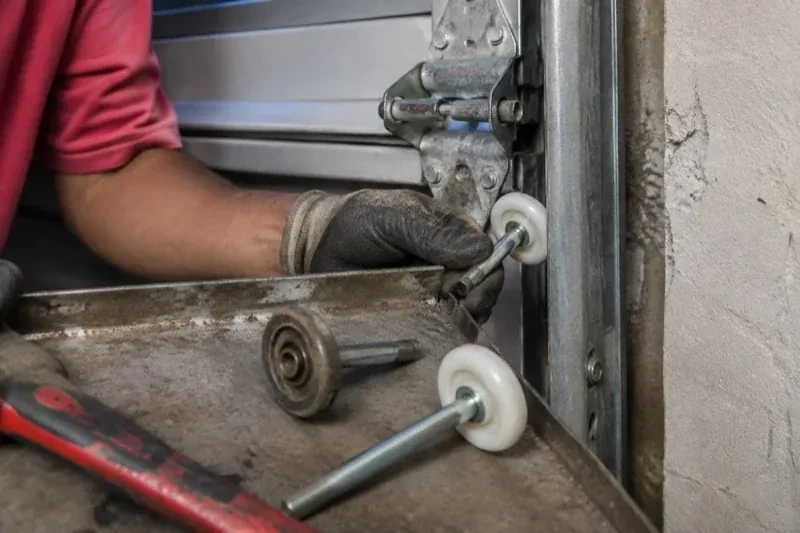
Bottom rollers and hinges
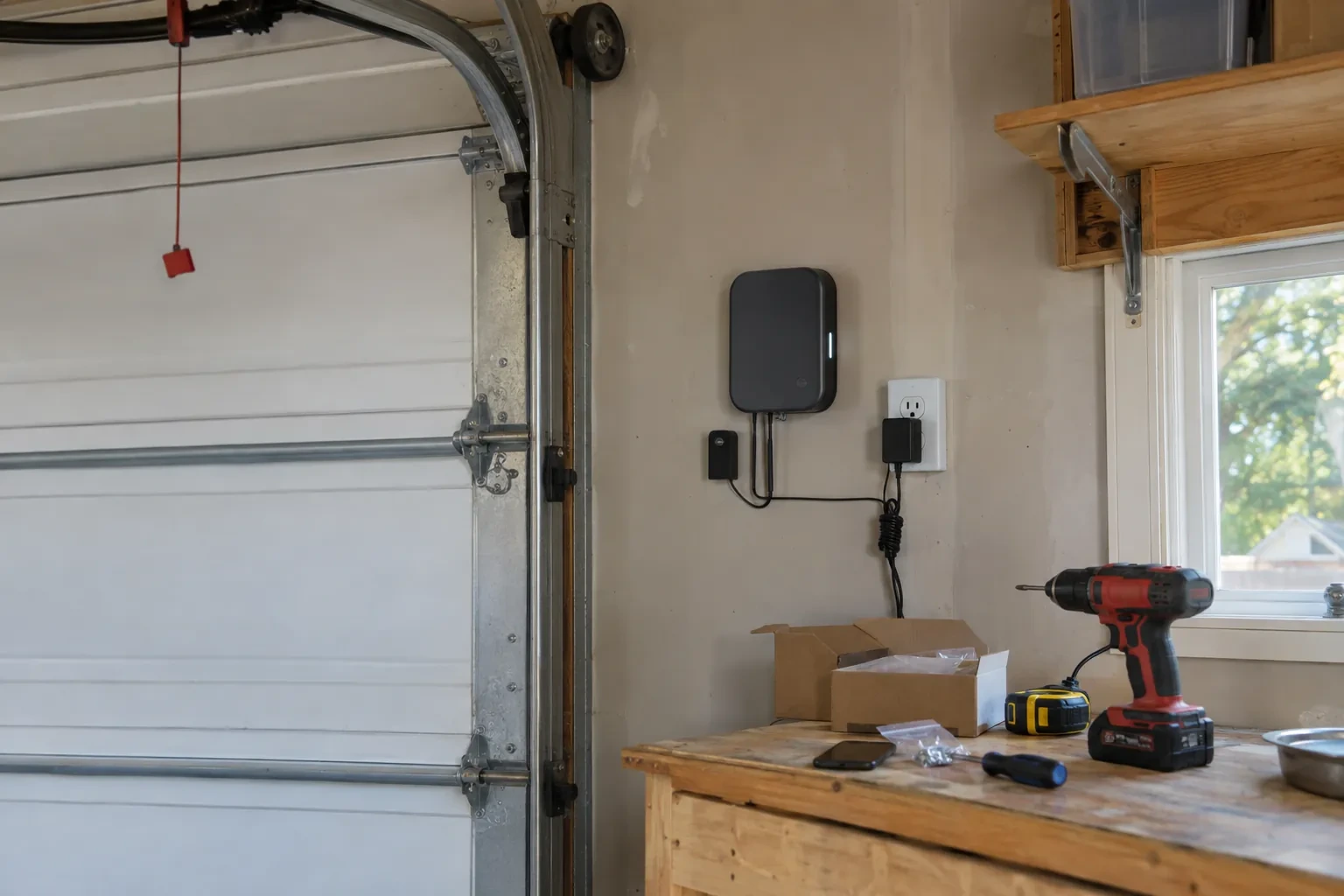
Garage Door Cable Replacement
What affects the quote
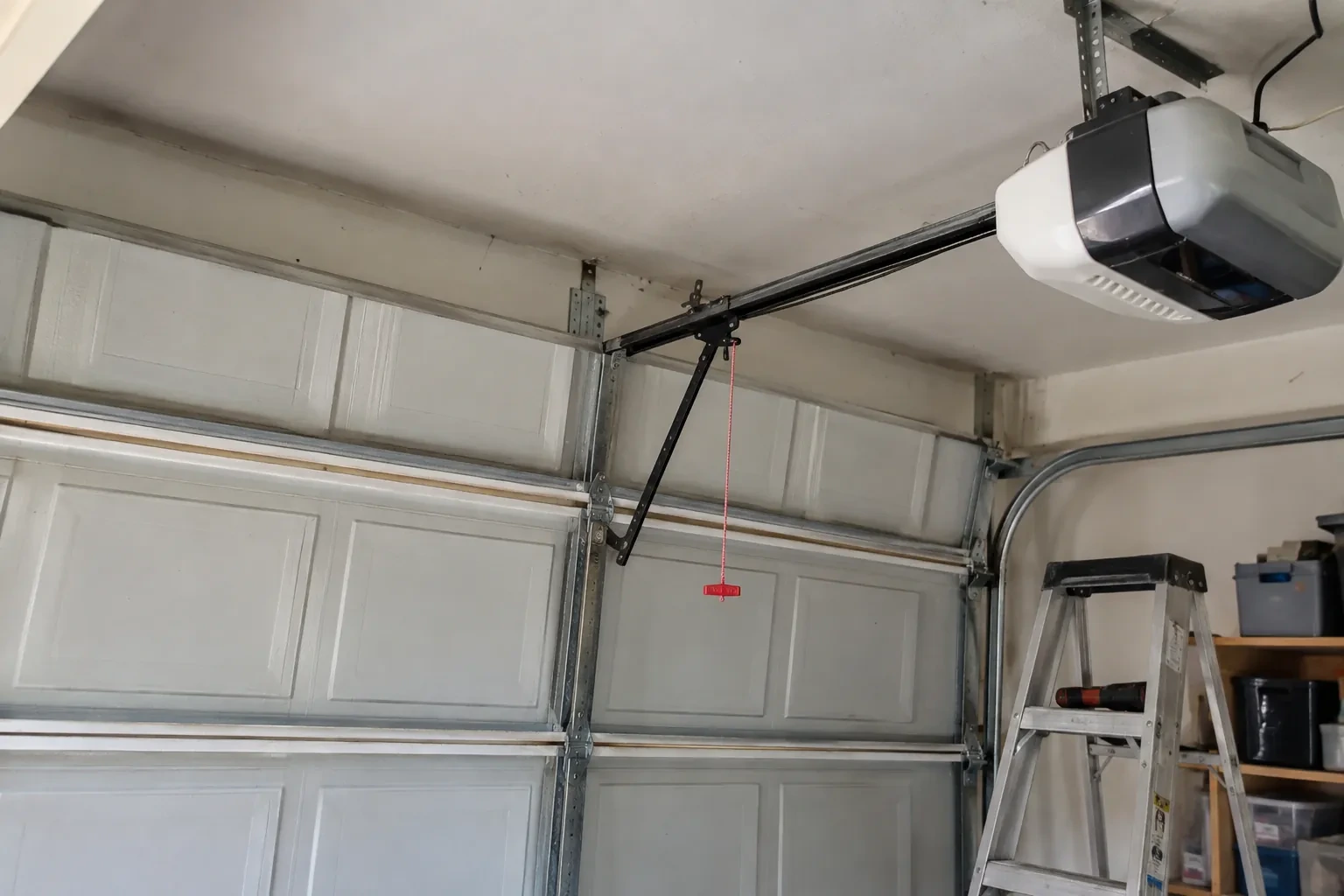
Opener adjustment afterwards
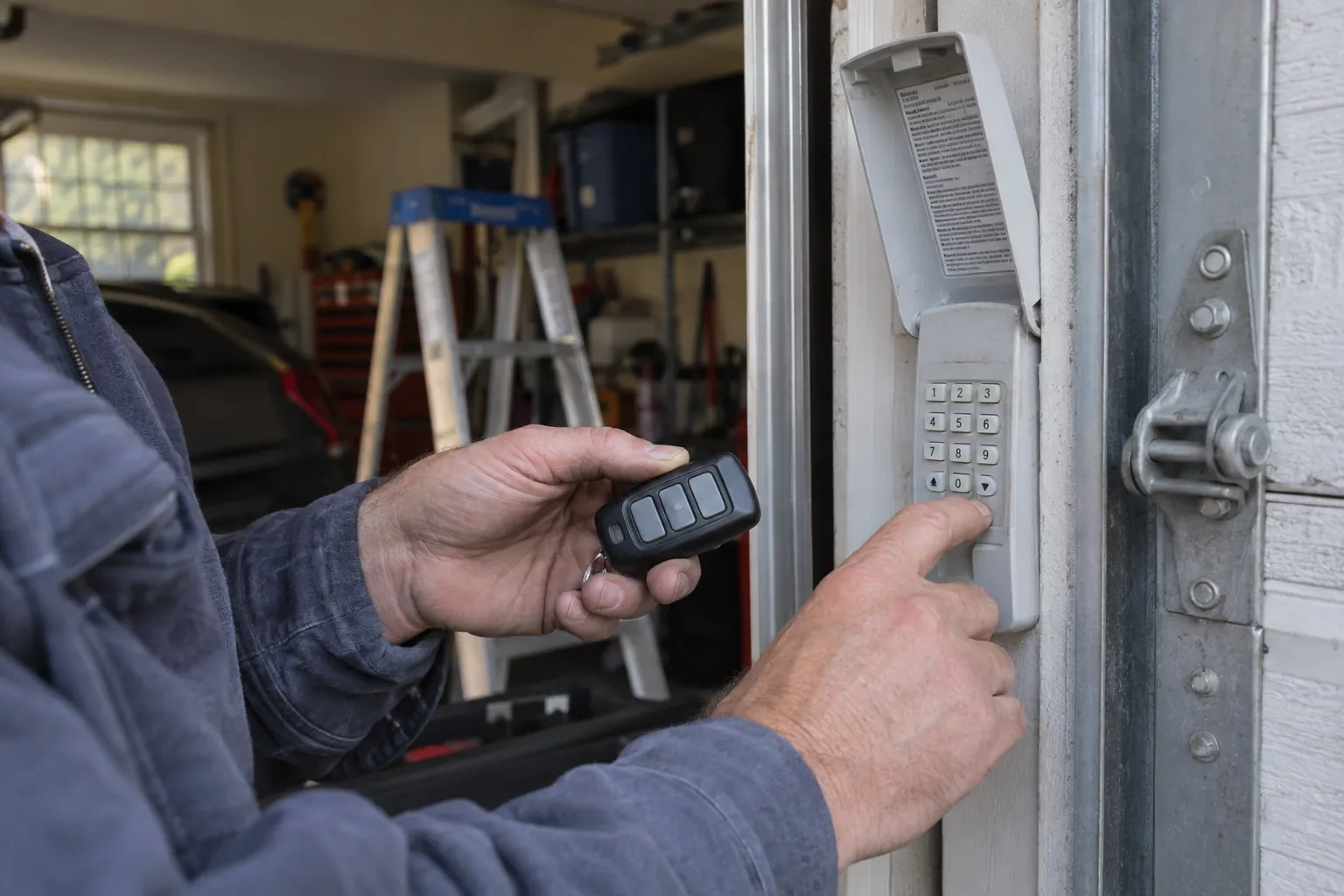
A newly balanced door often needs the opener's travel limits and force settings reset and its reversing tested. That short adjustment is named in the quote when it is needed.
Access to the spring shaft
Shelving, storage or a low ceiling around the torsion shaft and drums slows the work. Clearing the area beforehand or a tighter working space both affect the time quoted.
Impact damage to track or sections
A bumper strike often bends the track, a hinge or the bottom section as well as displacing the cable. Straightening or replacing those parts is quoted as separate work.
What to have ready
- Does the opener still run, and does it strain or reverse?
- Is there a car inside that you need out before the visit?
- Is anything stored close to the door or under the spring shaft?
Garage Door Cable Replacement: questions
QuestionsWhat makes a cable fray?
Fraying is individual wires breaking, and it comes from two things: bending fatigue where the cable wraps the drum or pulley, and rubbing where it touches something it should not, such as a bent track edge, a rough drum groove, a seized pulley or a bracket sitting crooked after a bump. Corrosion speeds both. The technician looks for the rough edge so the new cable does not meet it.
Can I use the door as soon as the work is finished?
Yes. The visit ends with the door balanced by hand, run through full cycles and the opener reconnected and tested, so it is ready for normal use the moment the technician packs up. There is no settling period for cables. It is a good idea to watch the first few openings yourself to get a sense of how a level, balanced door sounds, so you notice any change later.
Do I need new cables when the springs are replaced?
Often it is sensible. Cables and springs are similar in age, and with the counterbalance already unloaded the extra work of fitting new cables is small. The technician inspects them and advises: cables with bright, tight strands and clean loops can stay and simply be re-tensioned, while cables with any fraying or rust at the bottom are better renewed now than in a separate visit later.
Related services
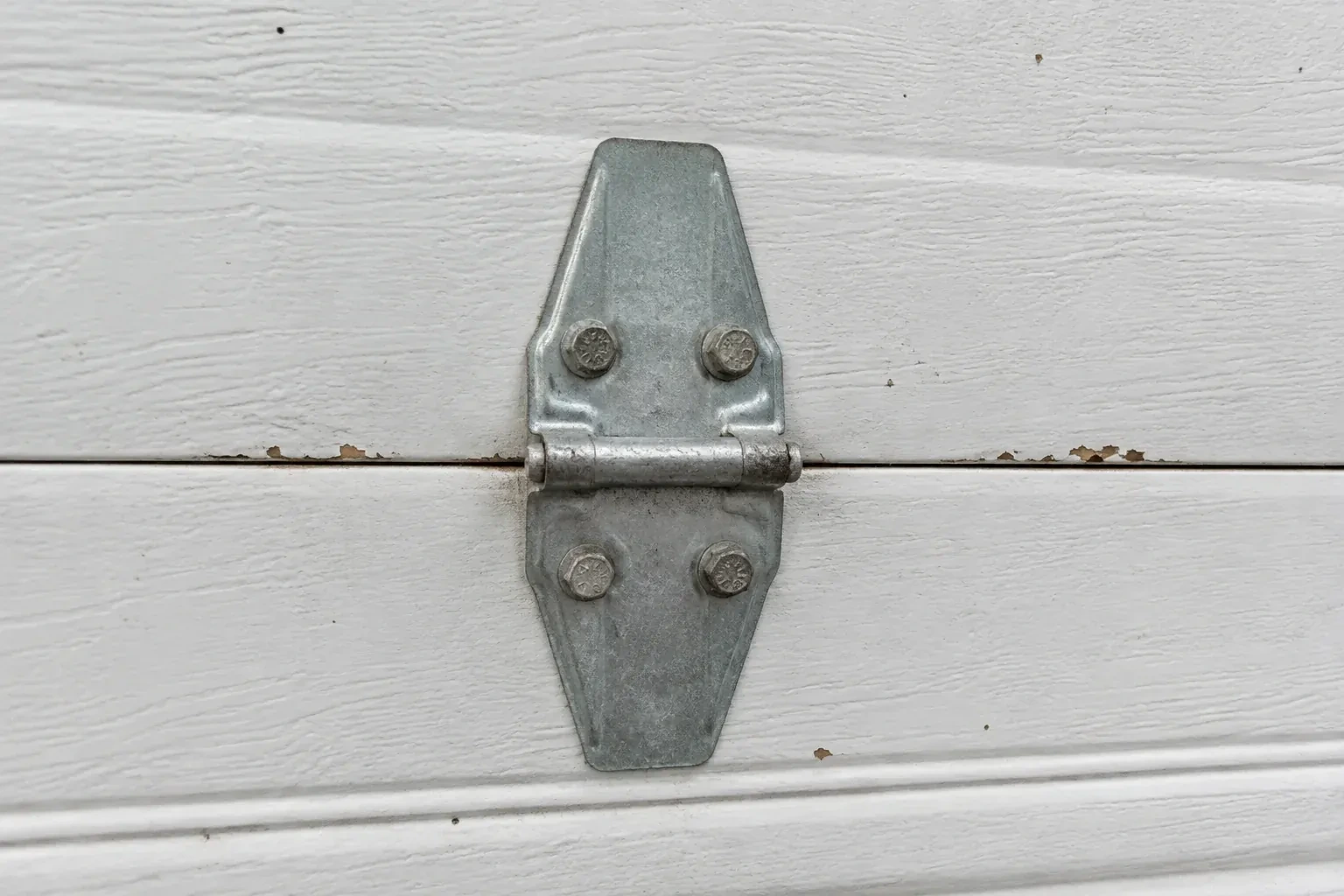
- Garage Door Hinge ReplacementWith the door closed and a flashlight on the inside face, one of the hinges near the edge has a crack running from the screw hole to the knuckle.
- Garage Door Track Repair or ReplacementThe door climbs crooked, one side clearly ahead of the other.
- Torsion Spring ReplacementOn a cold morning the remote does nothing useful: the light comes on, the motor turns briefly, the door stays shut.