New Doors · Richmond Hill
Commercial Rolling Door Repair
A lift truck clipped the lower curtain during unloading.
In plain words
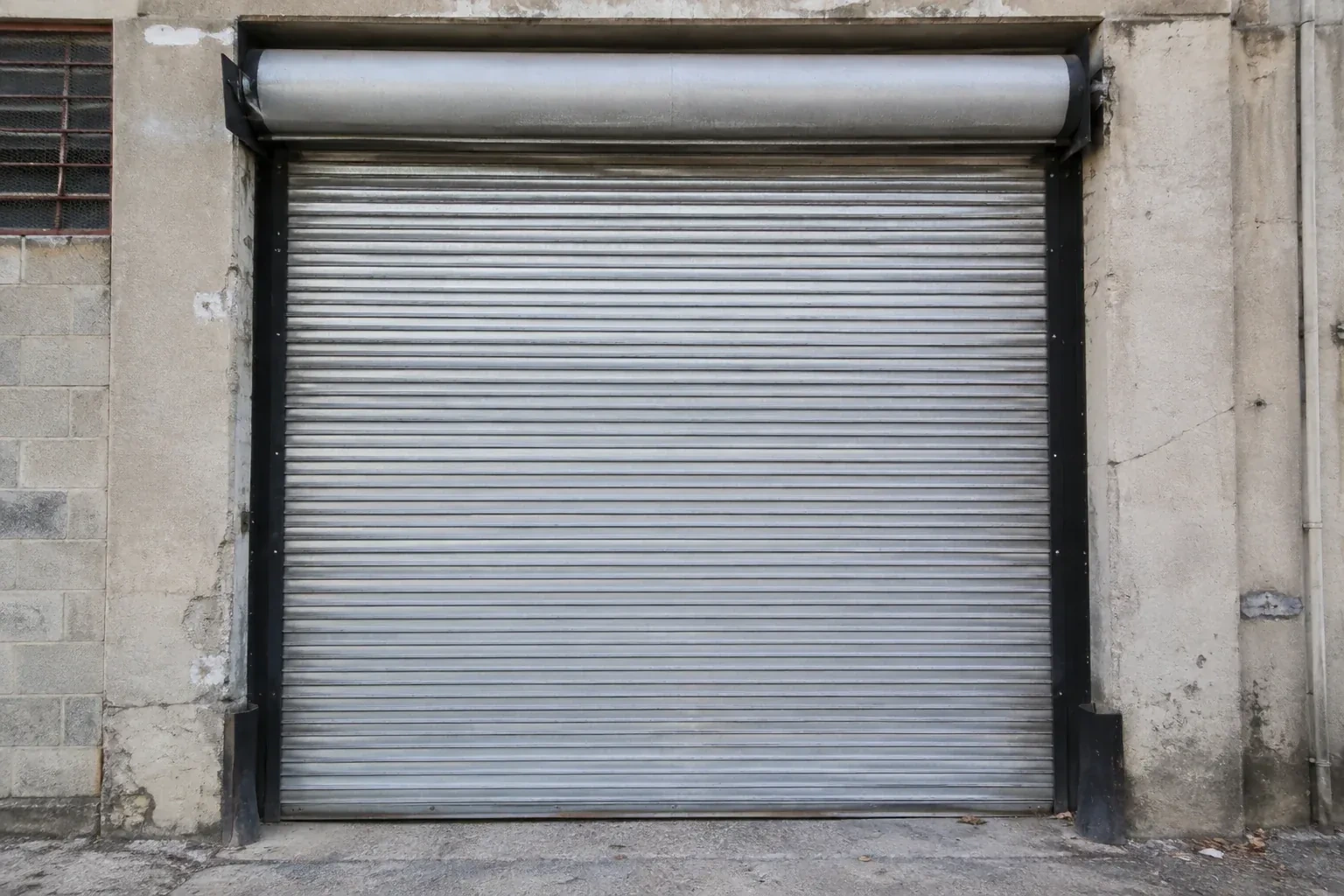
Commercial rolling door repair treats the opening as one connected machine rather than a loose collection of parts. A coiling curtain travels inside guides, wraps around a barrel and is assisted by a spring counterbalance; a hand chain or powered operator supplies movement. The technician identifies that system, controls the work area, secures the curtain and checks how each part affects the others. Bent slats, shifted guides, worn drive parts, balance problems or control faults are corrected within an agreed scope. Controlled cycles then confirm straight travel, proper limits, usable controls and a clear closing path.
How the visit goesCold-weather moisture has frozen the bottom seal to the sill, and salty grit has collected along the guide entrances. The door chatters during its first cycle and leaves a visible gap after it reaches the closed limit.
Commercial Rolling Door Repair
How the visit goes
Identify labels and special responsibilities
Door, operator and component labels anchor the scope to a known assembly. Model information helps establish suitable slats, endlocks, controls and service instructions, while a fire-protection label changes how substitutions and testing are handled. The technician also notes whether an electrician, structural professional, fire-safety contact or access-control provider owns a connected task. Those boundaries are recorded before work is quoted. Clear identification prevents an ordinary rolling-service repair from absorbing alterations to a fire separation, power supply, building frame or security system without the information and authorisation those areas require.
Cycle, observe and document the result
The repaired door is returned to service through a measured test sequence. Initial movement is slow and closely observed at the guides, coil, bottom bar, brackets and drive. Several full cycles follow, using the normal control and the manual method where applicable, while the technician listens for repeatable noise and checks stopping positions. Locks, interlocks and protective devices are tested at their proper stage. The handover record identifies parts changed, settings established, functional checks completed and any connected condition assigned to another scope, giving facility staff a practical baseline for future inspections.
Predictable travel through the opening
After repair, staff have a door that follows a repeatable path from sill to hood. The bottom bar rises level, slats enter both guides without a recurring scrape, and the curtain forms an orderly coil rather than wandering toward one bracket. Open and closed limits match the usable doorway, and the normal control produces the expected start, stop and direction. The technician demonstrates a complete cycle and points out the ordinary sounds of the assembly so a future change is easier to recognise. This clear operating baseline is often the most useful outcome for a busy facility.
Commercial Rolling Door Repair
In the van
Roller chain and sprockets
Hand-chain hoist components
Operator brake and limits
Counterbalance spring assembly
Sensing edge and controls
Commercial Rolling Door Repair
What affects the quote
Protective device scope
Photoelectric sensors, sensing edges, light arrays and vehicle-detection accessories serve defined roles. Quantity, mounting, wiring condition and operator requirements determine repair and test work.
Guide and jamb condition
The quote reflects guide straightening or replacement, wall-angle fasteners and measured alignment. Moved masonry, steel framing or a struck jamb can add separately responsible building work.
Counterbalance condition
Spring adjustment, bearing service and replacement of worn barrel-related parts require different labour and controls. Door weight, spring arrangement and operating position shape the counterbalance plan.
What to have ready
- Can both sides of the opening be cleared for work?
- Has manual effort, noise or travel changed gradually?
- Is the curtain fully open, closed or stopped between limits?
Commercial Rolling Door Repair: questions
QuestionsWhat can facility staff check between service visits?
Staff can observe bottom-bar level, new dents or rub marks, guide debris, loose visible fasteners, torn seals, sensor cleanliness, unusual sounds and changes in operating effort. They can keep the sill and doorway clear and record impacts. Spring tension, bracket release and internal repairs remain controlled technician tasks because those areas involve curtain weight and stored energy.
Can individual bent slats be replaced?
Many interlocking steel curtains allow a damaged group of slats to be removed and renewed with compatible pieces. The technician also checks neighbouring joints, endlocks, guides and the coil because an impact can spread force beyond the visible dent. Curtain material, profile, gauge, finish and fire-rating status all influence whether sectional repair is suitable.
Will operations have to stop around the doorway?
The opening and its adjacent traffic area need to remain controlled during inspection, repair and test cycles. Facilities often route people, lift trucks and deliveries through another path while that work is active. Planning around shipping periods, stored goods and access to both faces of the door helps define a workable service window and equipment setup.
Related services
- Insulated Steel Garage Door InstallationYour garage is becoming a workshop, but the thin single-skin door rattles, sweats and lets outdoor temperatures shape the whole room.
- Wind-Rated Garage Door ReplacementYour building designer has supplied positive and negative pressure values for the garage opening.
- Carriage-House Garage Door InstallationCold air is noticeable around the current door, especially near the floor and section joints.