Garage Doors in Yongehurst, OntarioA new door,chosen with care.
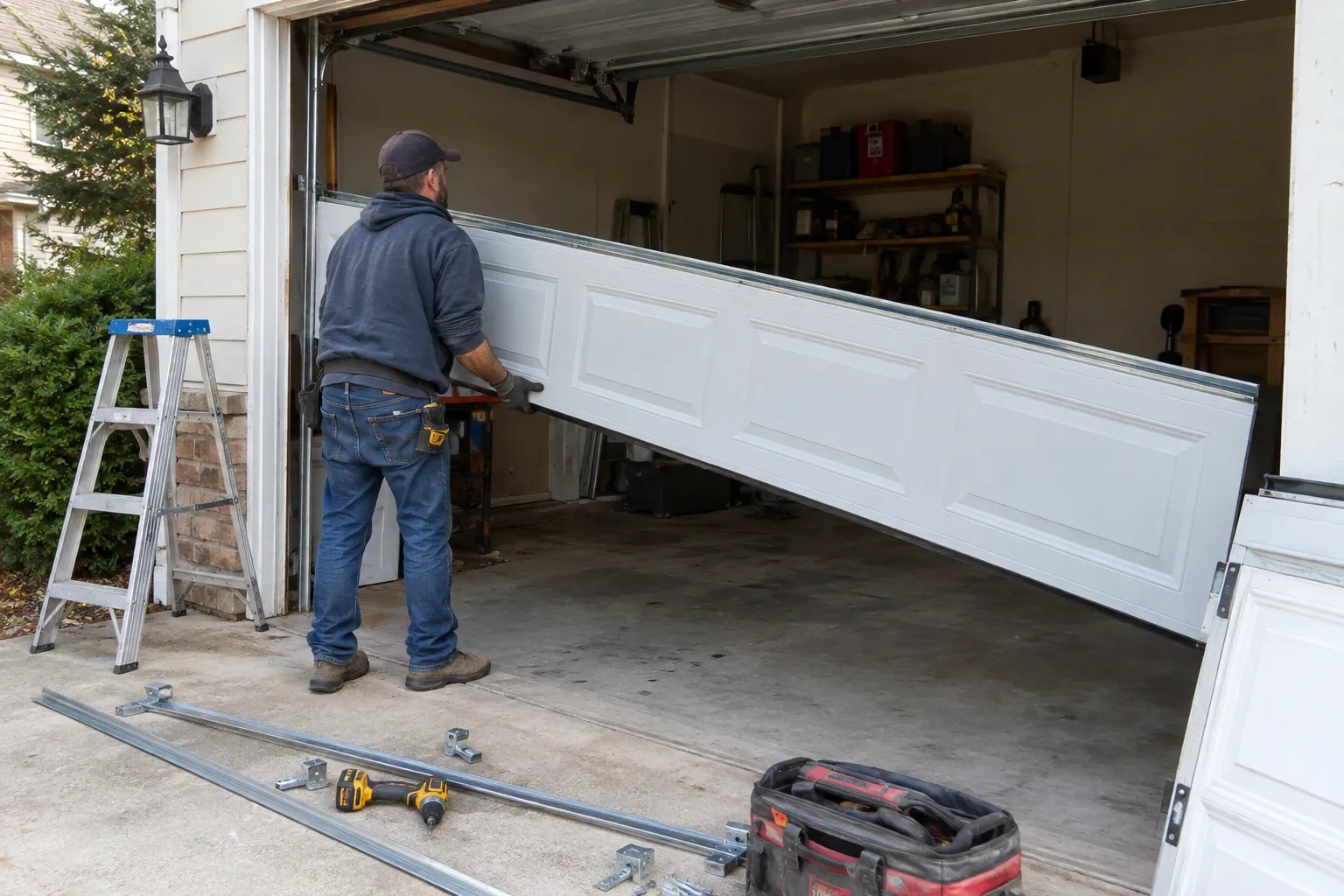
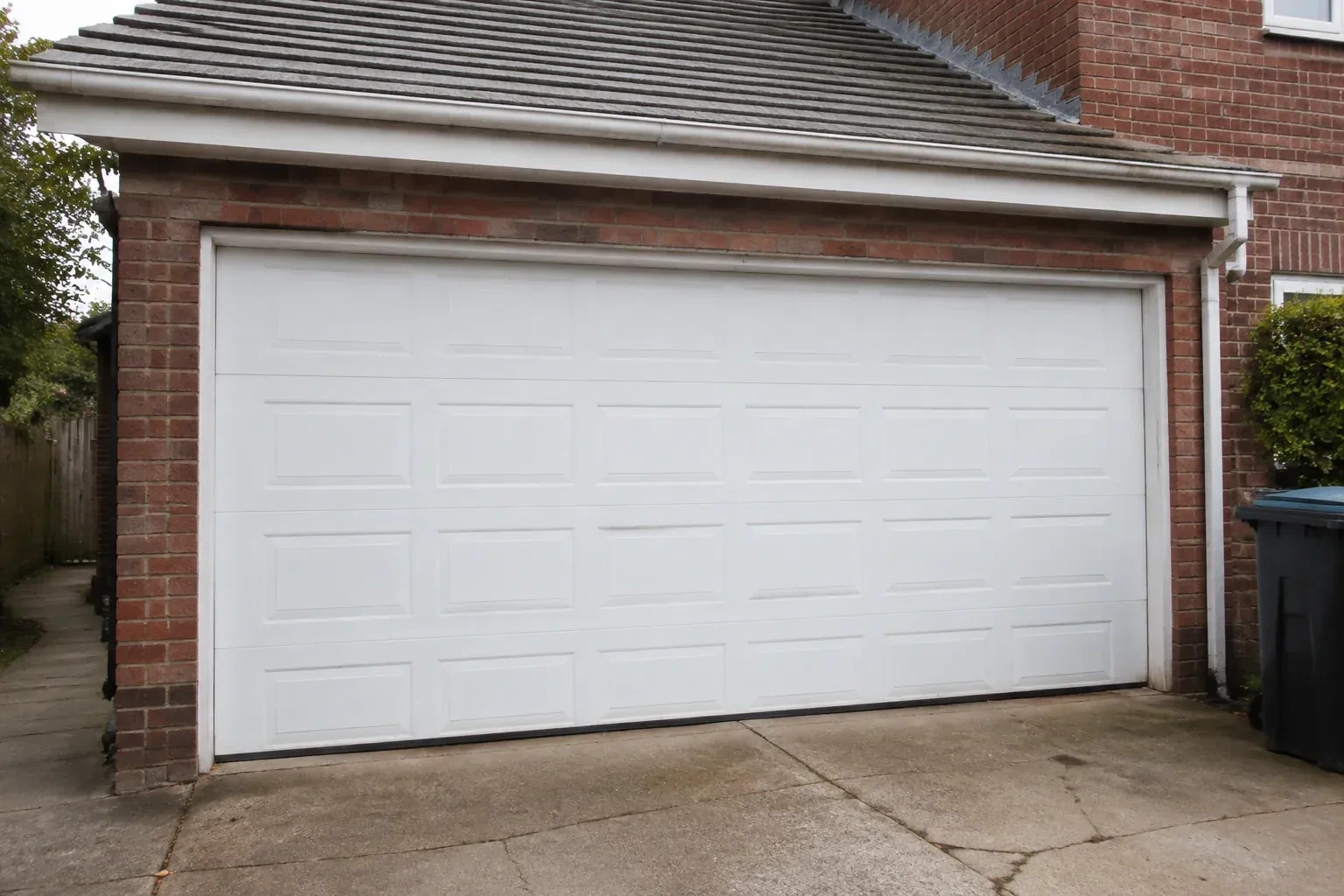
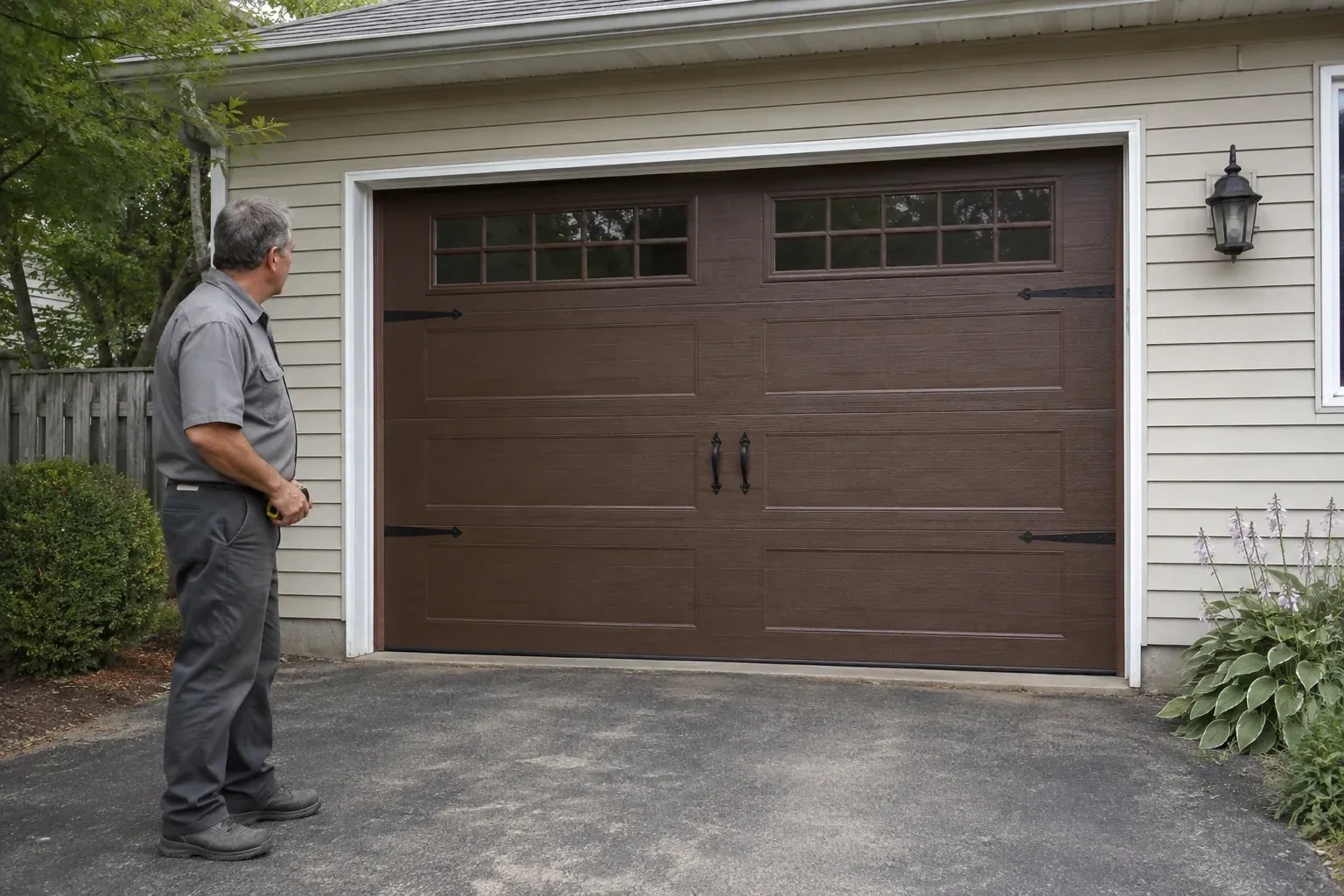
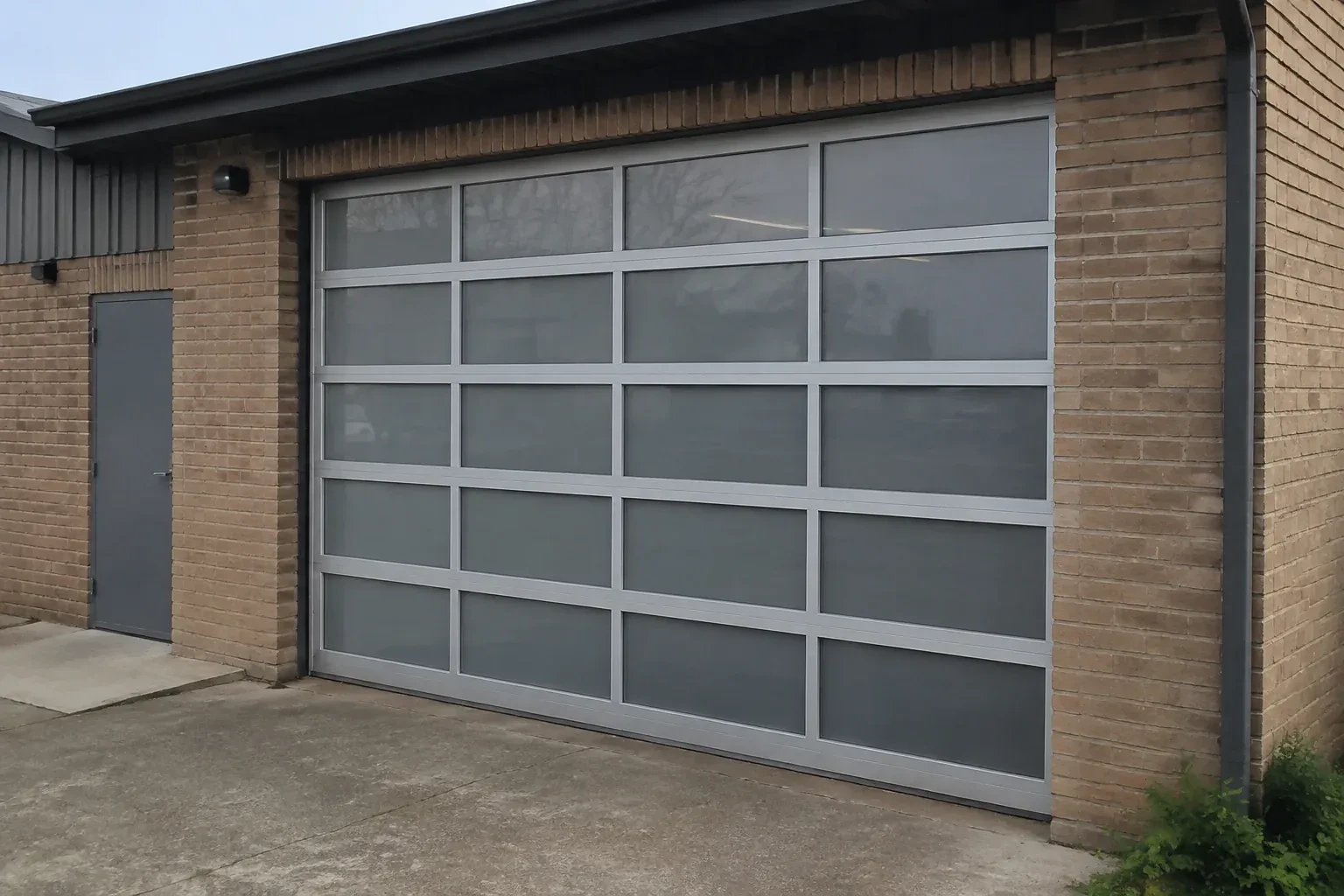
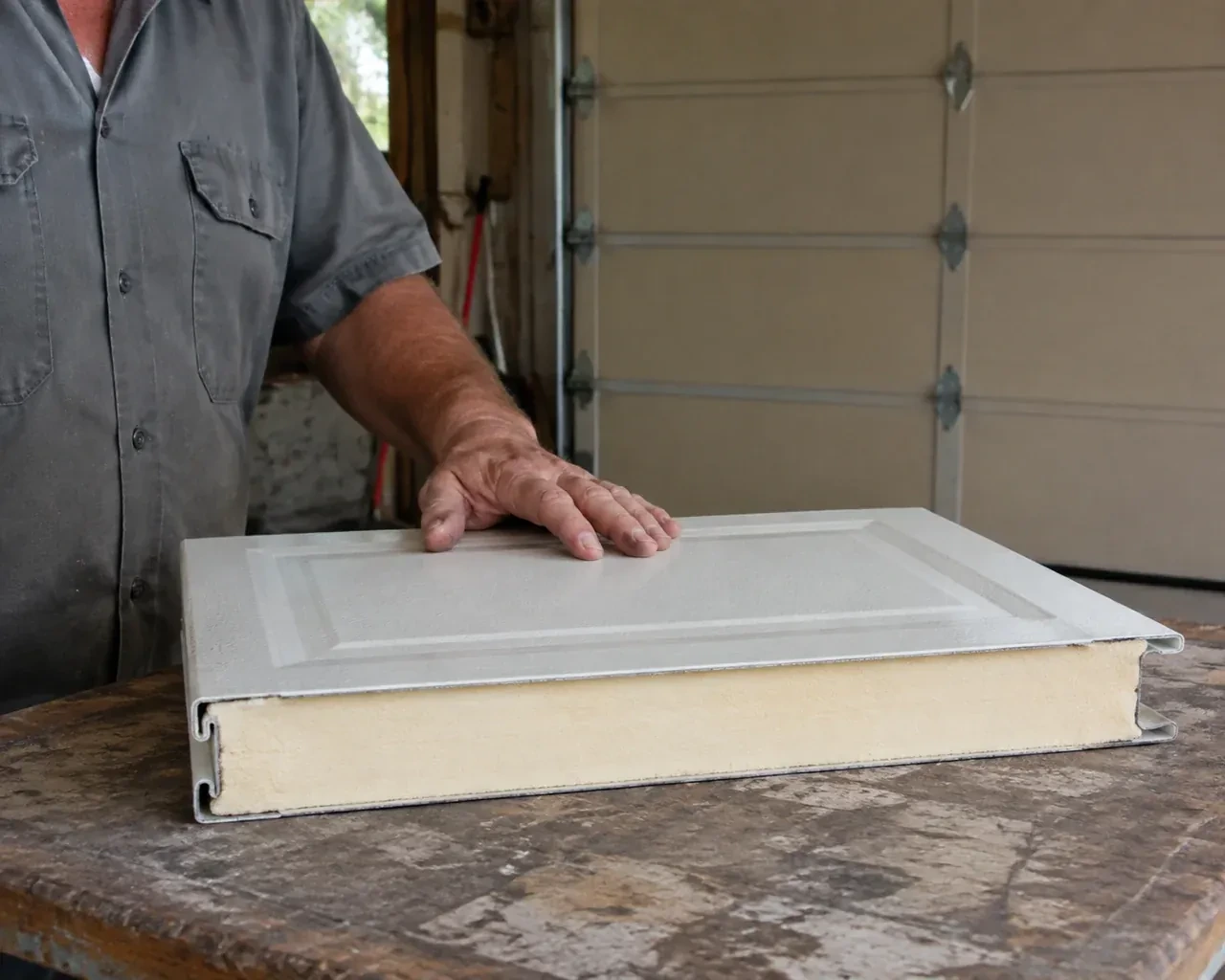
Choosing a garage door for a house in Yongehurst means thinking about insulation, windows, colour, how the panel pattern breaks up the face of the home, and how the door will sound at dawn. We walk through each of those questions with you and measure the opening before anything is ordered.
Choosing a garage door for a house in Yongehurst means thinking about insulation, windows, colour, how the panel pattern breaks up the face of the home, and how the door will sound at dawn. We walk through each of those questions with you and measure the opening before anything is ordered.
Bringing older doors up to date.
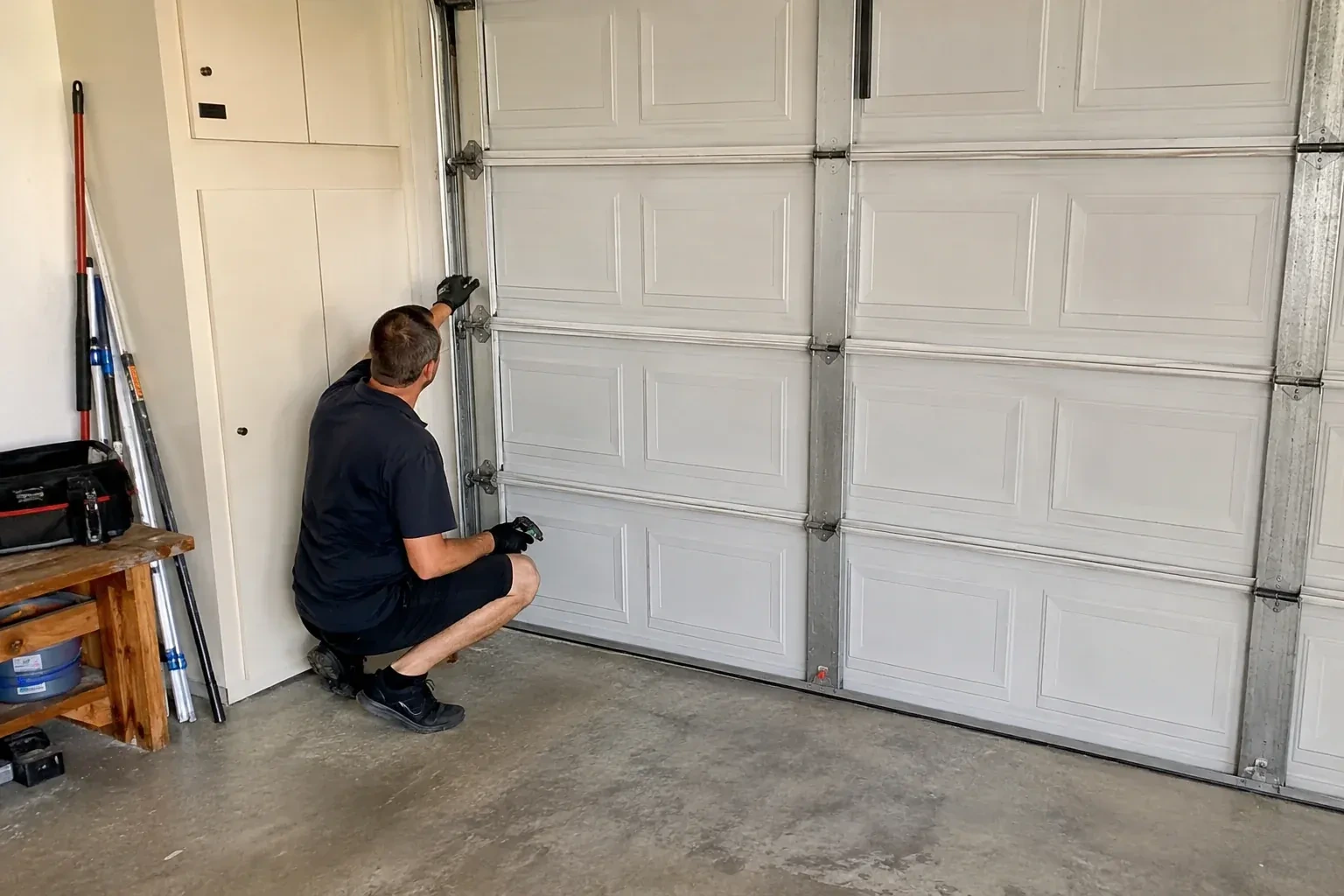
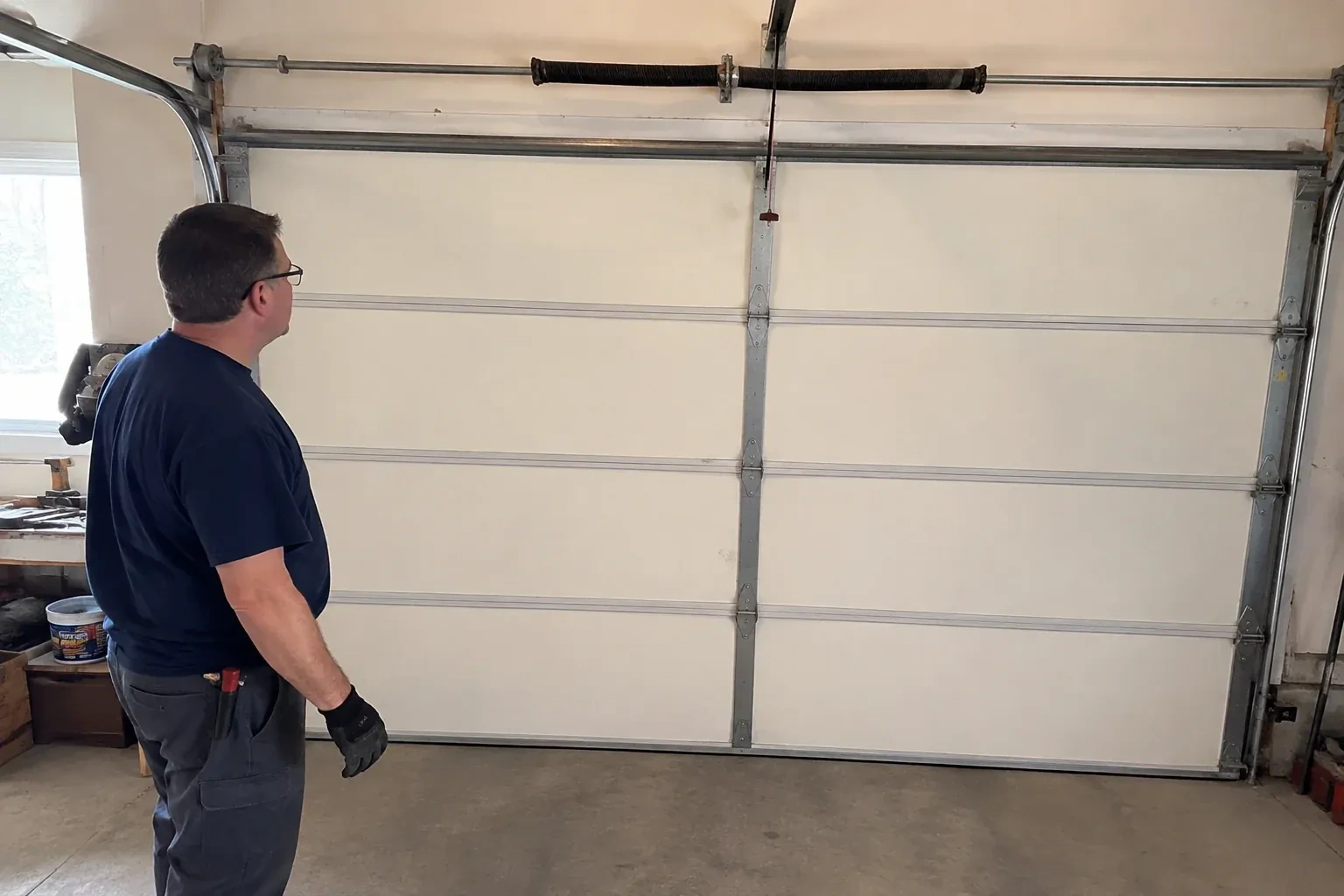
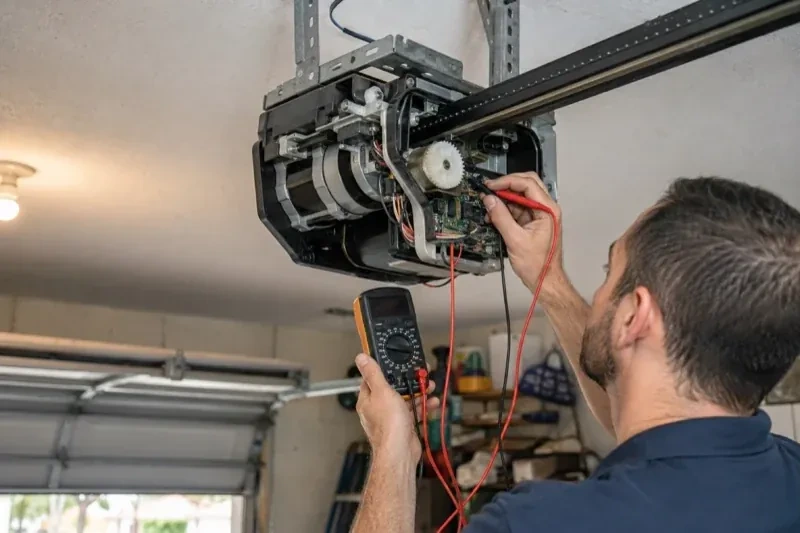
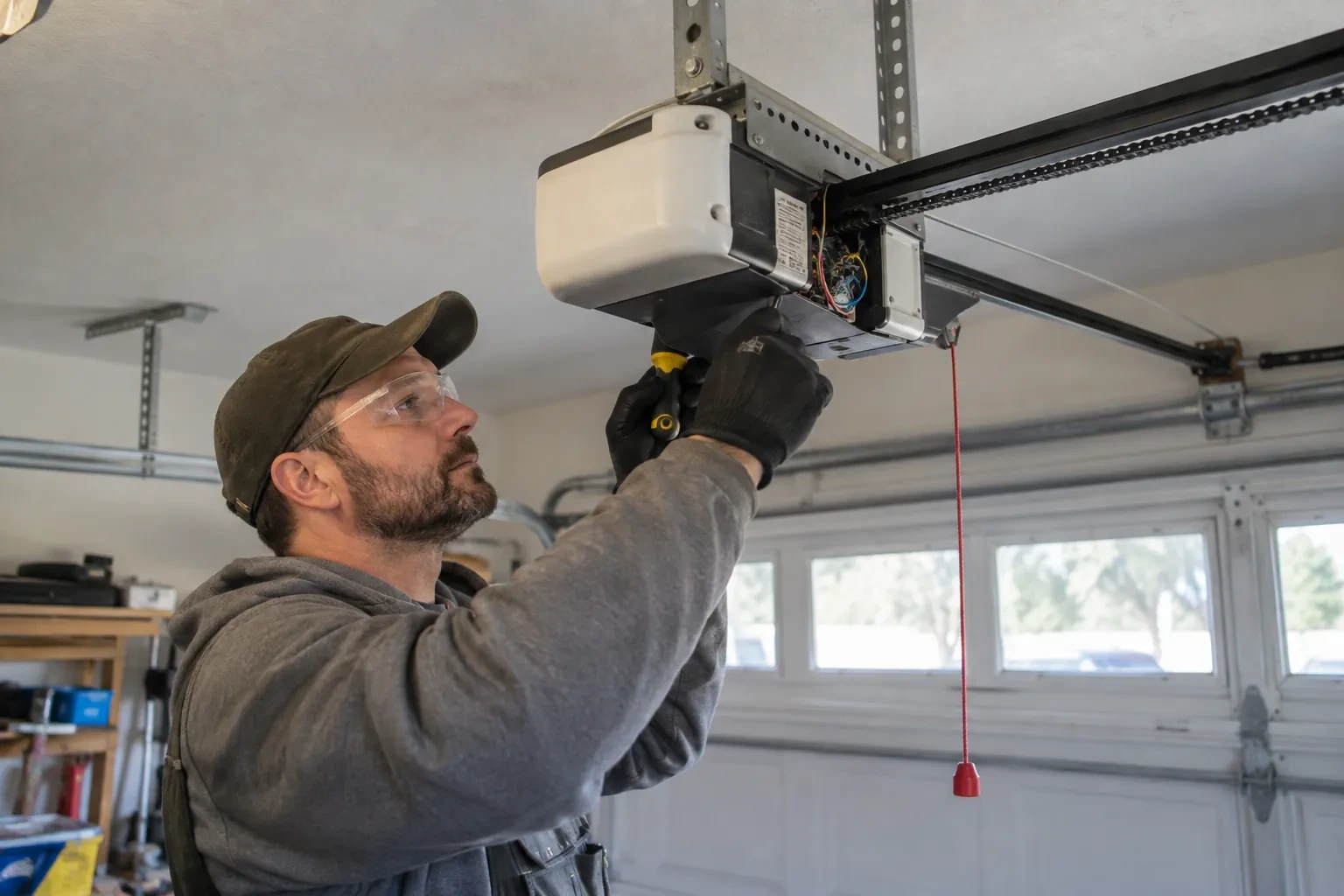
In Yongehurst we have found that most people simply want to understand what happened to their door. So the technician explains as he goes: why the spring broke, what a balanced door feels like, how the sensors work. You end up knowing your door better and knowing what to listen for next time.
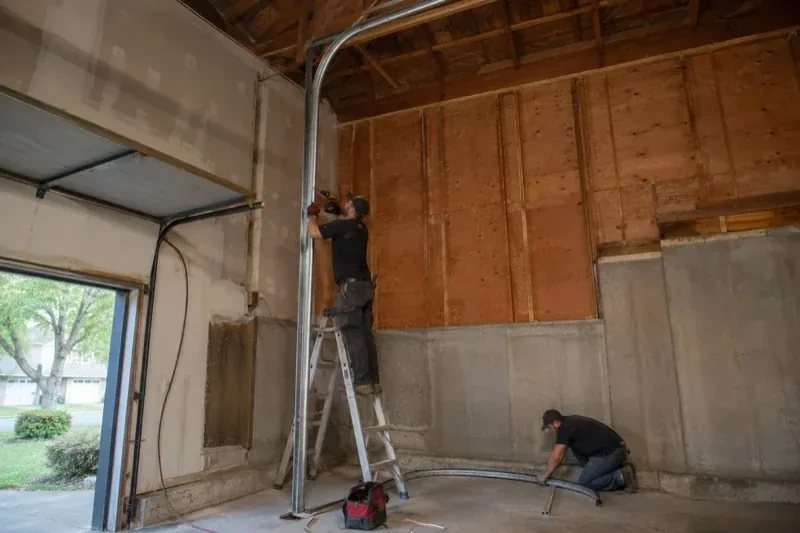
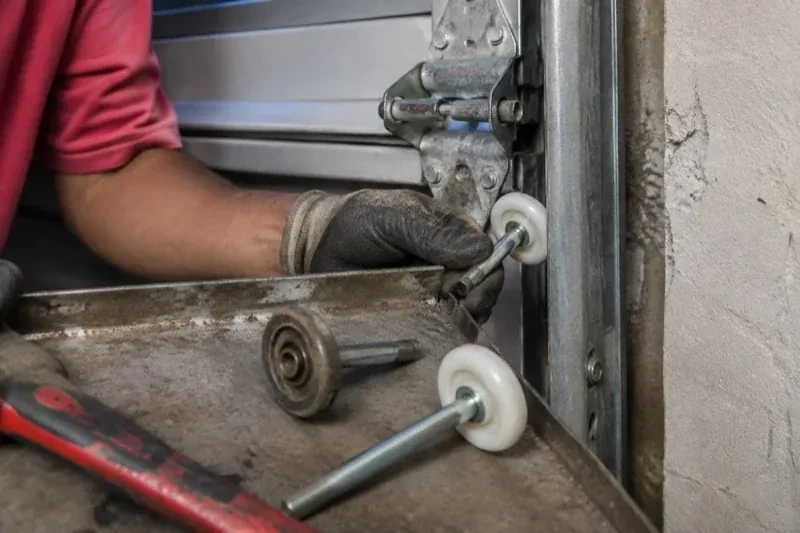
Older garages in Yongehurst sometimes have doors that were hung, adjusted and re-hung by several different hands over the years. We respect that history and work out what the door needs now: matching springs, a proper balance, fresh rollers and a track that is straight and firmly anchored. Where a new door makes more sense, we show real samples and talk it through.
17years in business
24/7open every day
Nothing hidden. Every part we replace, you can see. Every adjustment, we explain. If we find something unexpected, we stop and tell you before continuing.
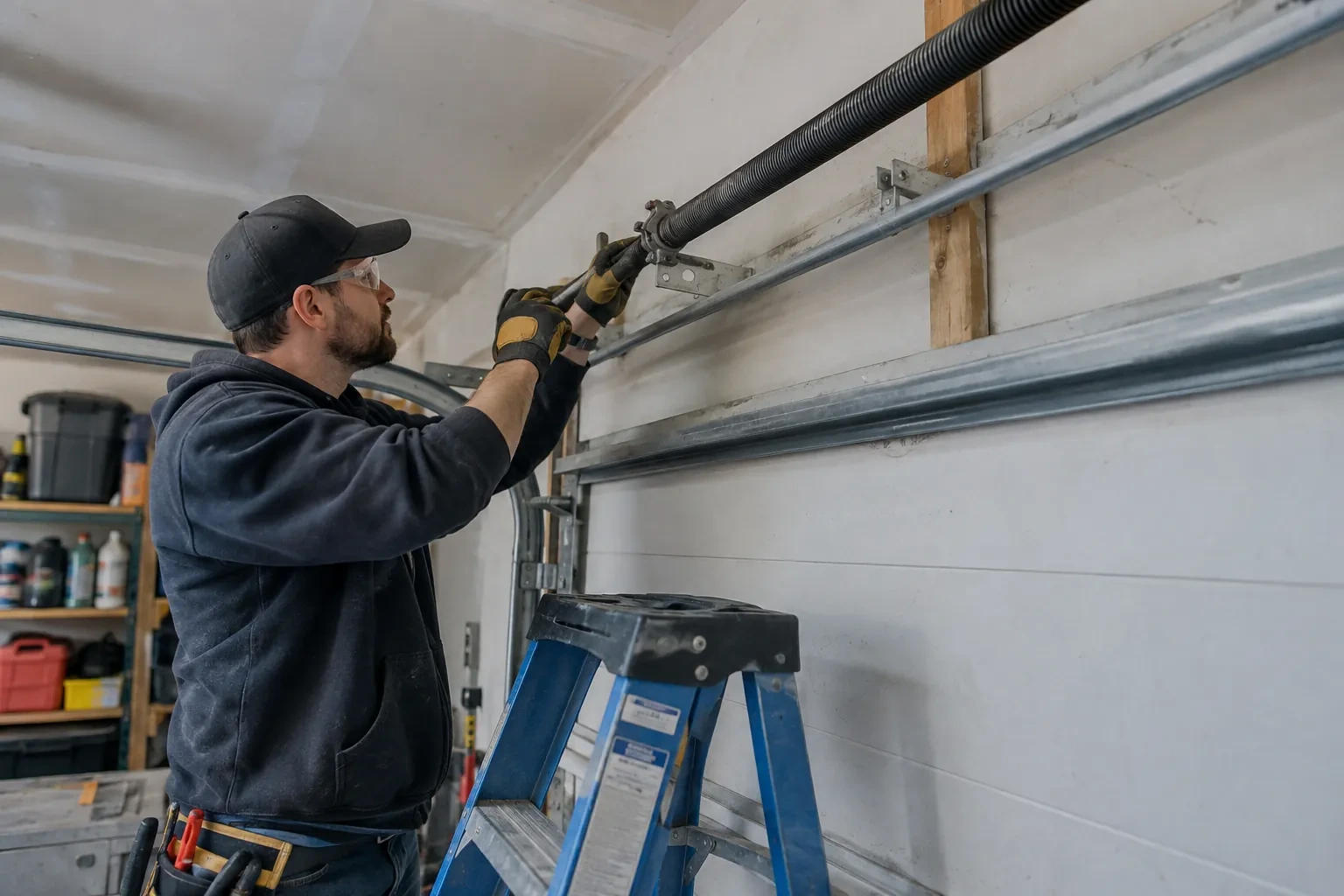
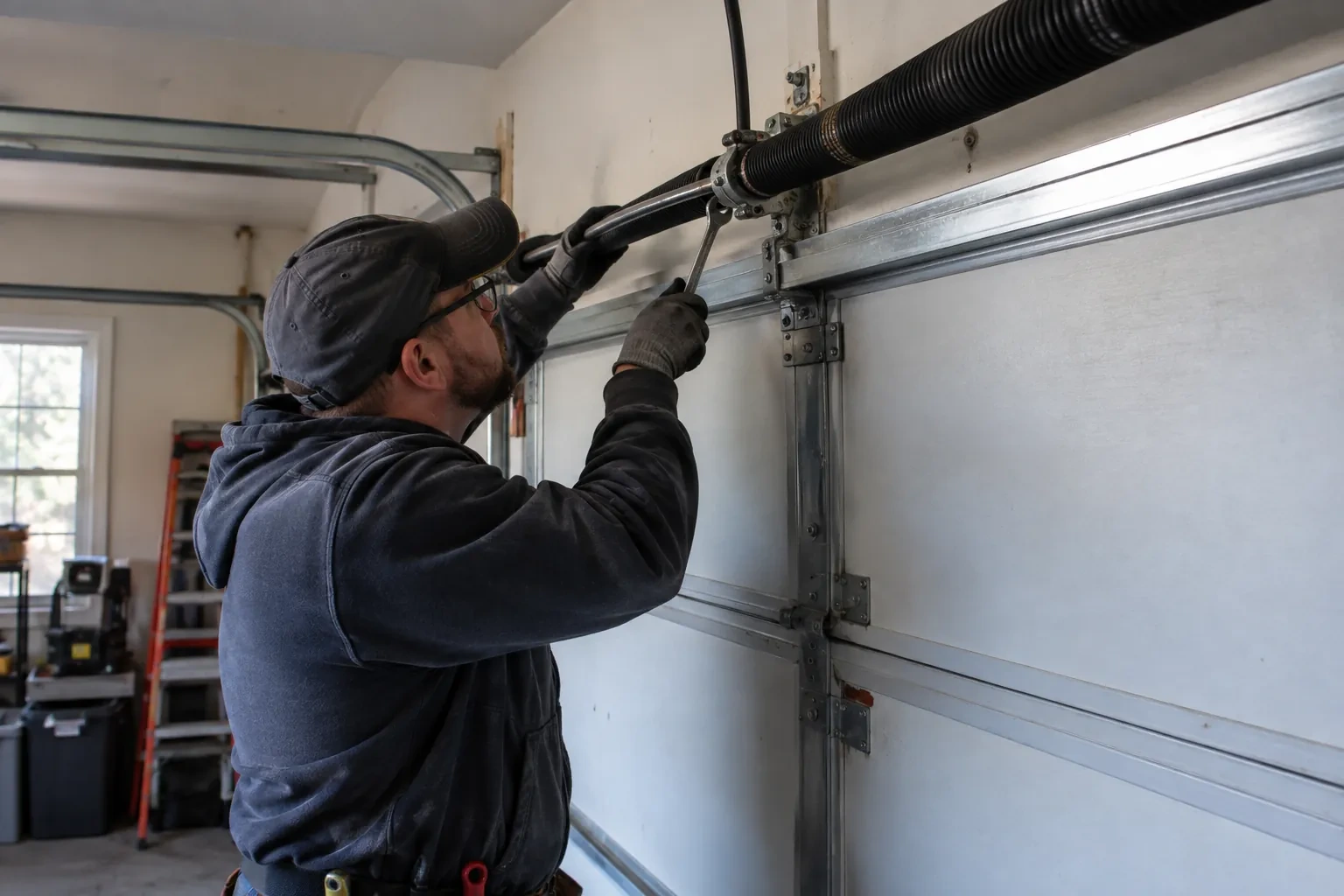
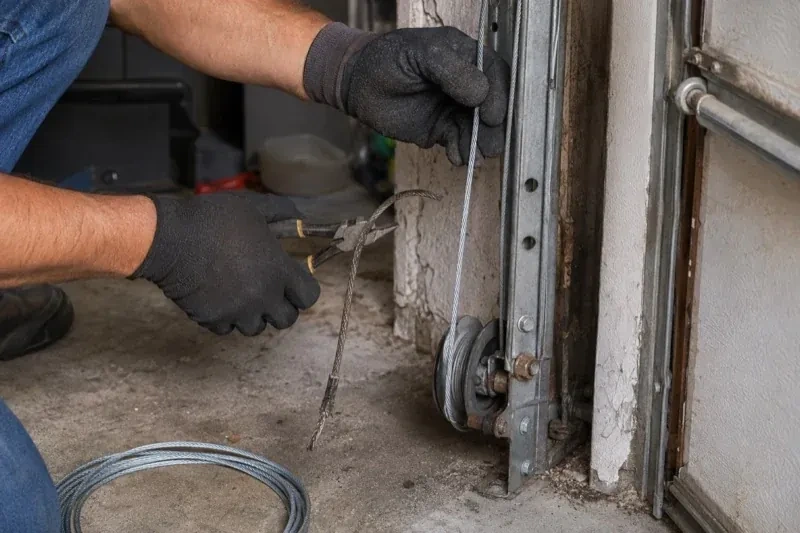
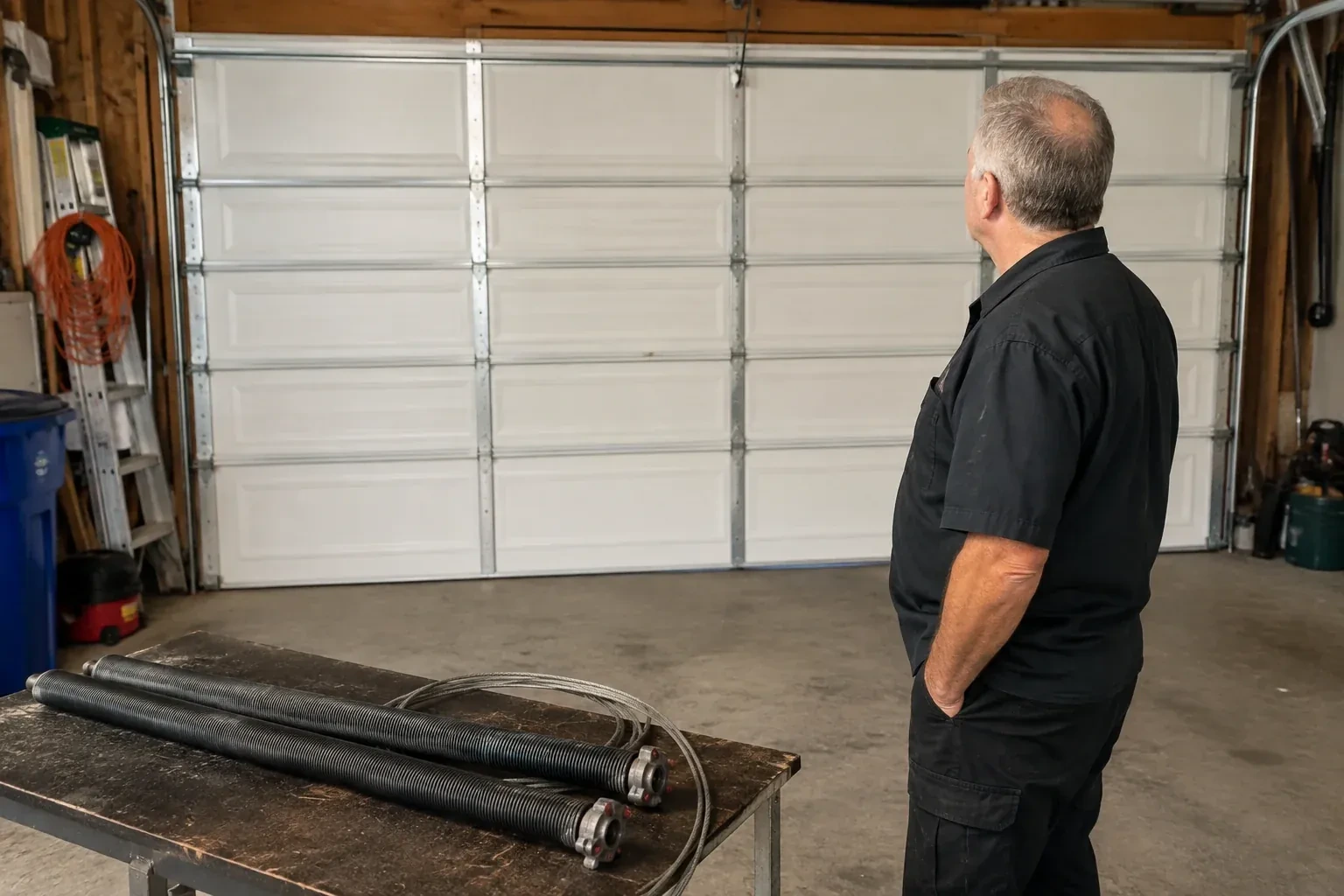
Care with heavy parts. Springs and cables are handled with the right tools and a steady method, and the door is secured before any tension is released.
Clear about what comes next. Before we leave, you know what was done, what to watch for, and when the door might want attention again.
Schedule a garage door visit for your Yongehurst property.
The services below are the ones we perform most often for garage doors in Yongehurst. Springs and cables top the list, followed by opener repairs, roller and hinge replacement, seal and weatherstrip work, balance and safety adjustments, remote programming and, when the time comes, new doors.
About 15% of homes in Richmond Hill were built in 1980 or earlier, according to the 2021 Census.
Newer homes
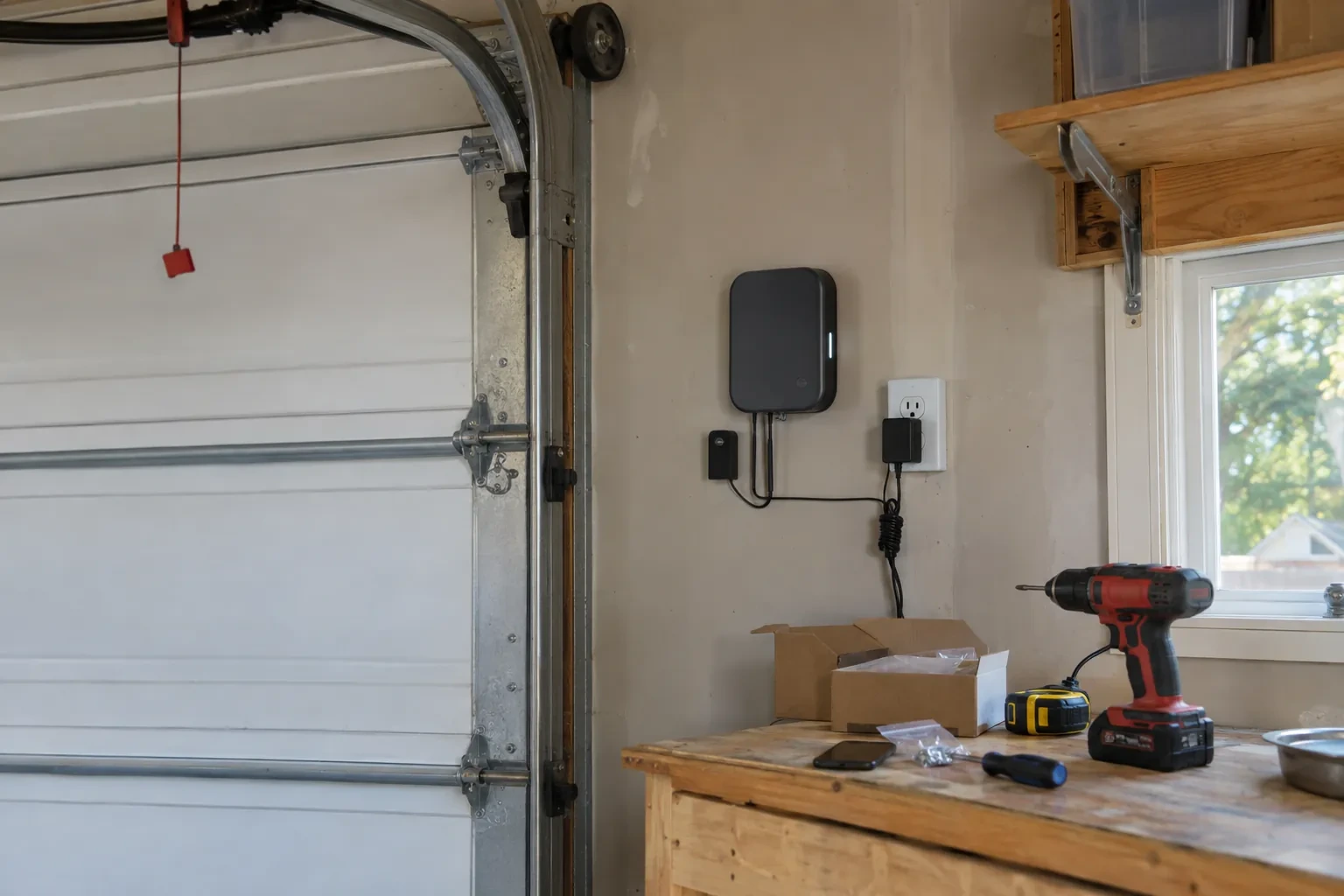
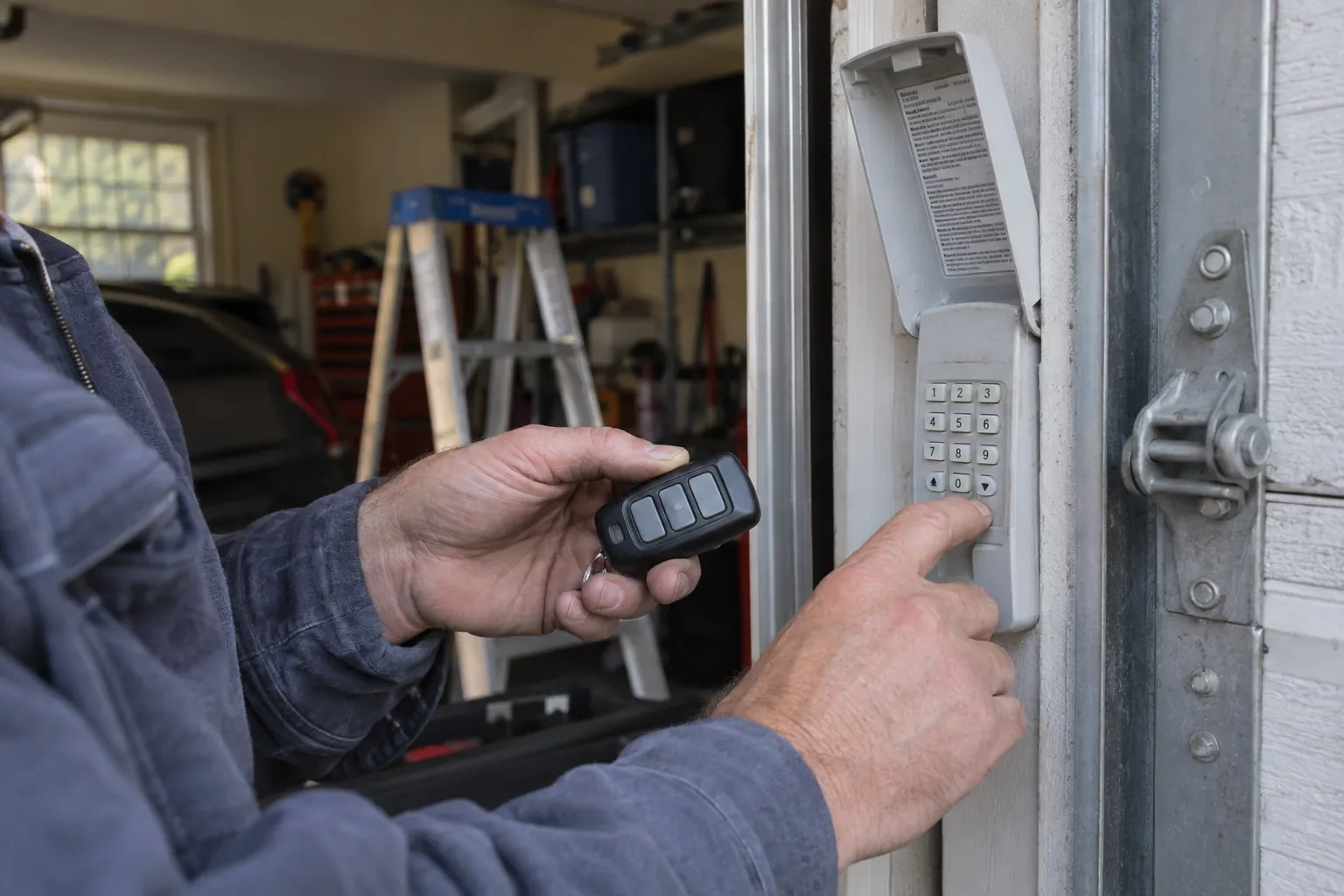
Many newer homes have a keypad by the door, several remotes and an app that reports whether the door is open. We keep all of these talking to the opener, clear codes from devices that have gone missing and set up new ones so the whole household is covered.
Single-detached houses make up about 57% of homes in Richmond Hill (2021 Census).
Where houses and attached homes sit together, the shared garage door on a small condo building may be a commercial operator on a heavy door, while the house next door runs a light residential unit. We service both types and carry parts for each.
If the door dropped suddenly, hangs crooked, or needs real effort to lift by hand, the spring and cable system is where we look first. These services put it right.
One of the little wheels along the edge of the door has a chunk missing, another sits crooked in its hinge, and there is a fine grey dust on the floor under the track where plastic has been wearing away.
Modern doors are quieter than the ones they replace: nylon rollers, insulated sections that do not drum in the wind and belt-drive openers all contribute. Many people notice the silence before they notice the look.
The rail shakes when the door runs. The steel straps holding it to the ceiling have worked loose, the chain rattles the length of the garage, and a bolt has already dropped onto the hood of the car.
It is minus twenty in the detached garage and the door climbs in jerks, the belt stiff as a board. By the afternoon, when the sun has been on the door, it runs almost normally again.
You want the ceiling back. A storage loft, a vehicle lift or kayak racks would fit if the long rail and motor box were not hanging in the middle of the garage, and the low ceiling of an older house leaves little room for the standard rail anyway.
Your daughter gets home from school an hour before anyone else. She has lost two house keys this year, and the garage keypad code has been shared with half her class.
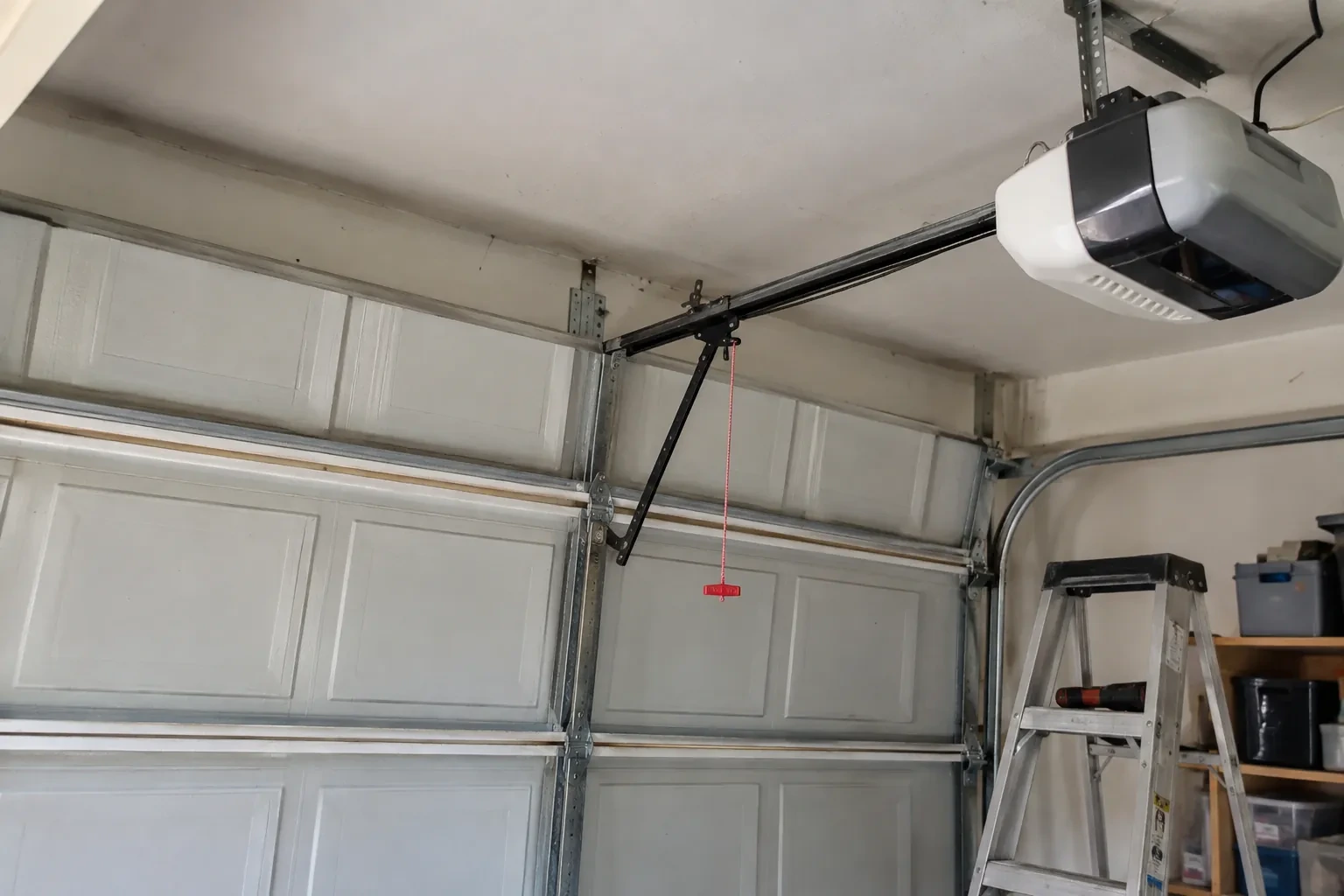
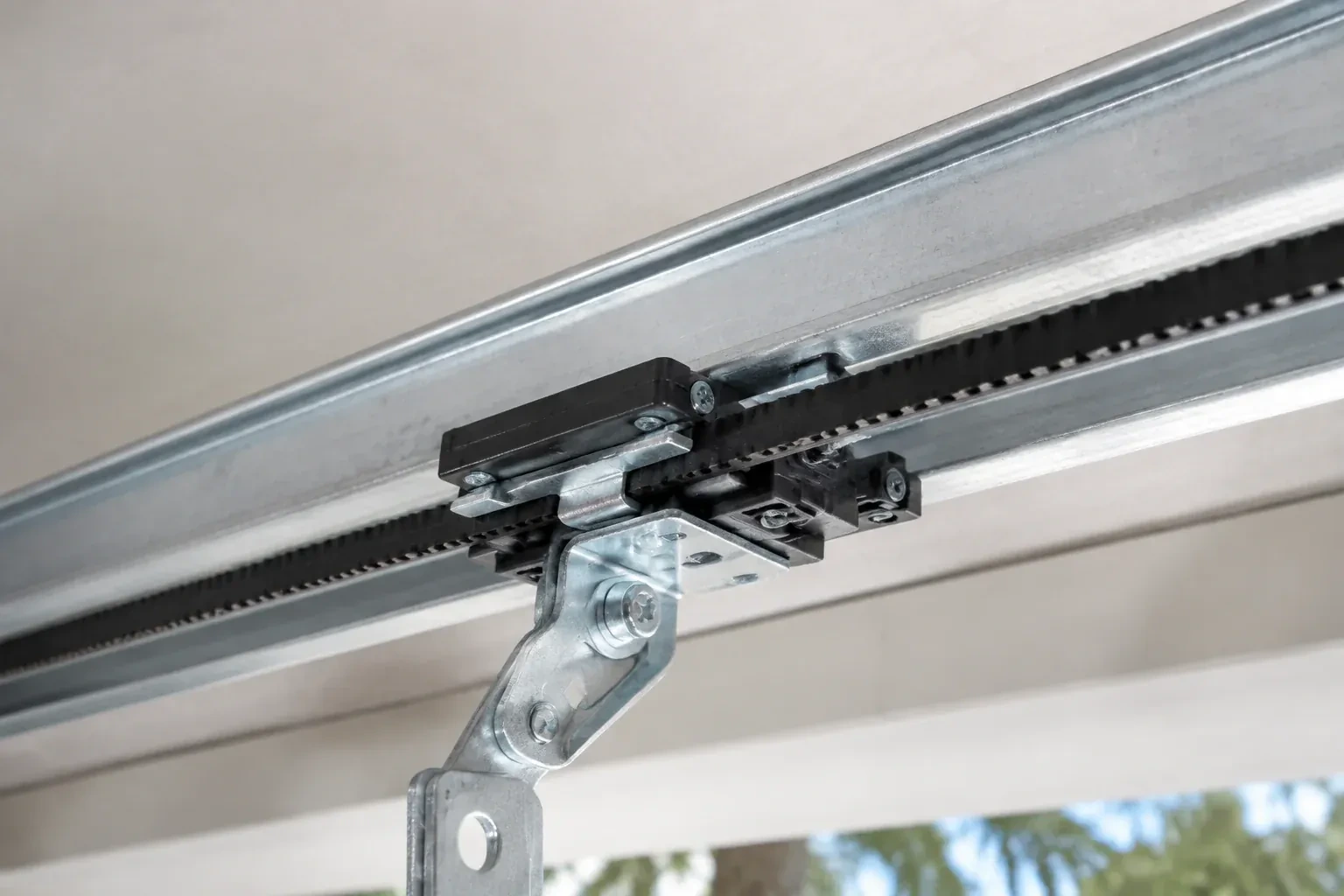
Someone pulled the cord last spring to get a car out during an outage, and the door has never properly rejoined the opener. Press the button and the trolley glides along the rail by itself while the door stays exactly where it is.
Which fix fits?
A tenant mentioned the door is louder than it used to be.
WhyThe operator standard for residential openers in this country asks for a manual release that is coloured red, easy to tell apart from the rest of the mechanism, and reachable from the floor, with the handle no more than about 1.8 metres up.
You are adding an automatic opener to an older, very heavy door.
WhyFor a replacement project, the work includes more than lifting the old door out and putting glass in its place.
An entrance. Not an afterthought.
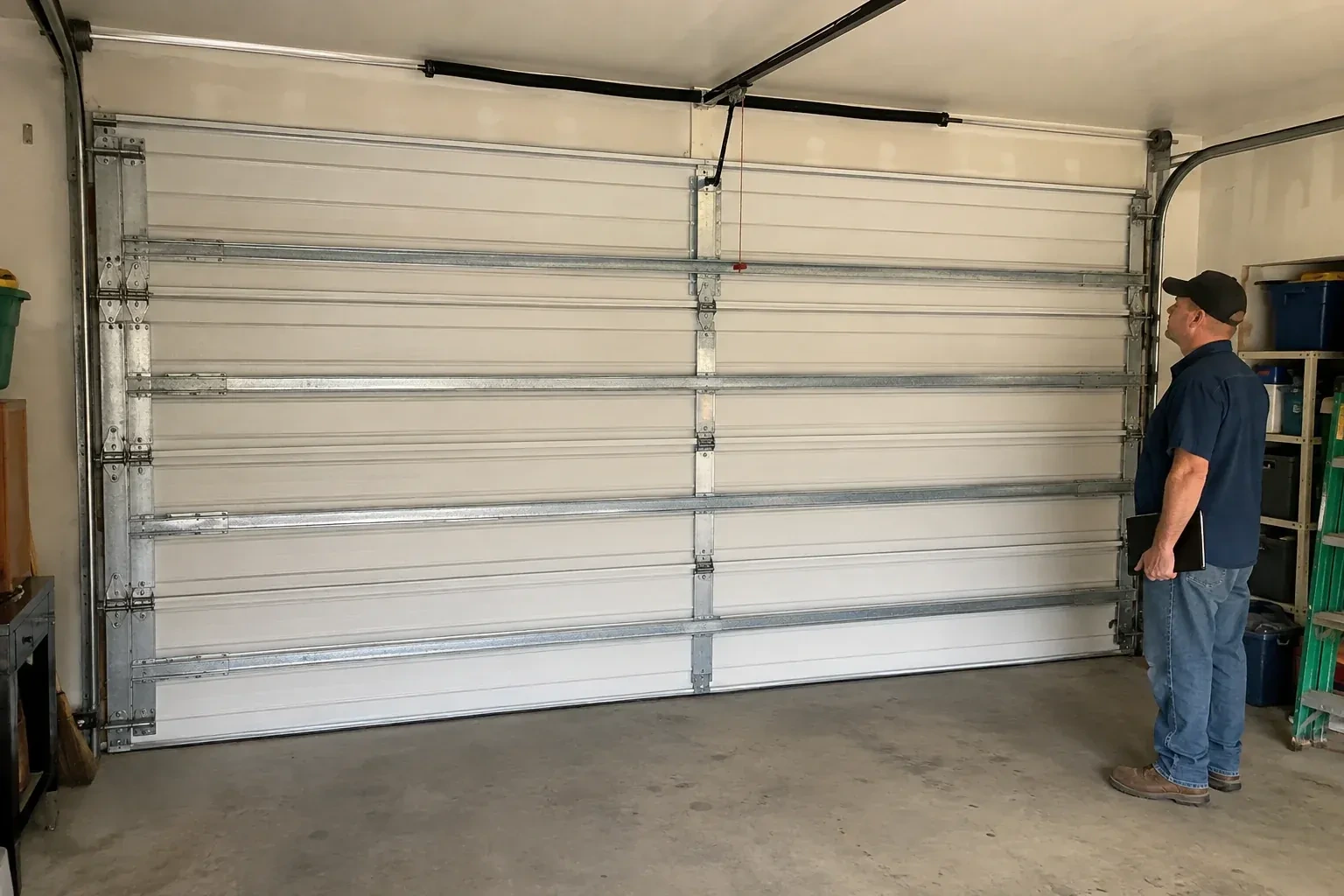
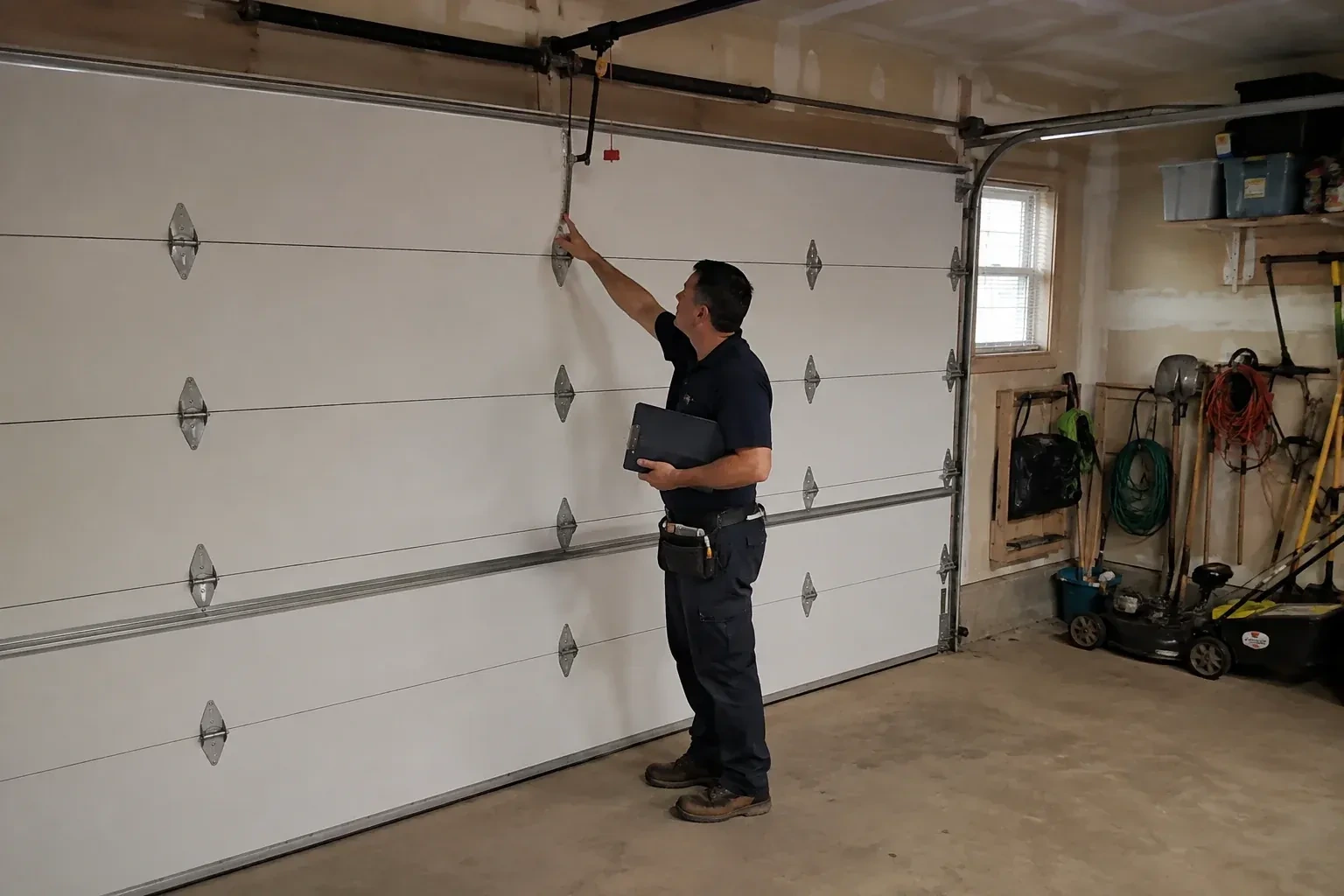
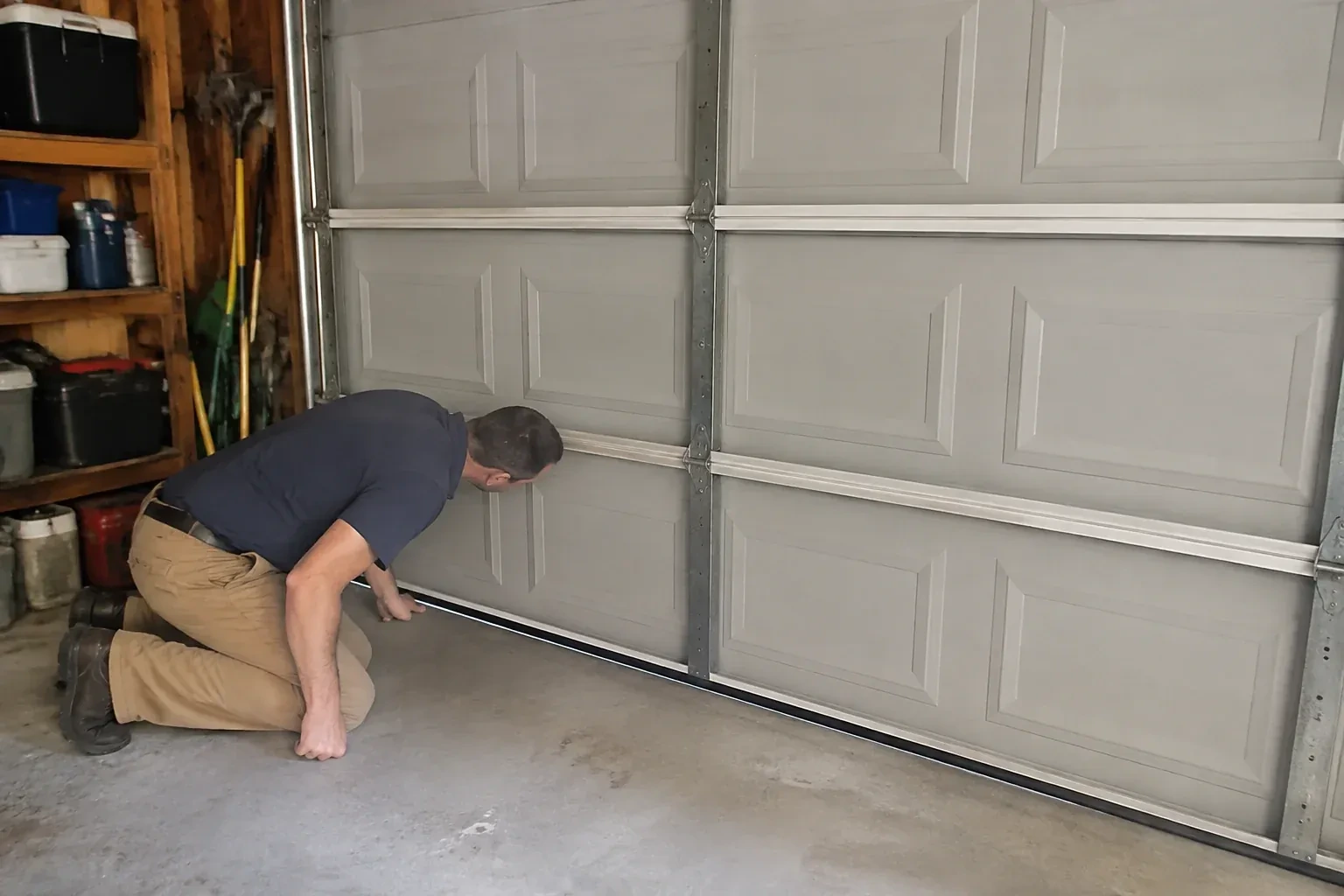
1/10Garage Door Safety Inspection
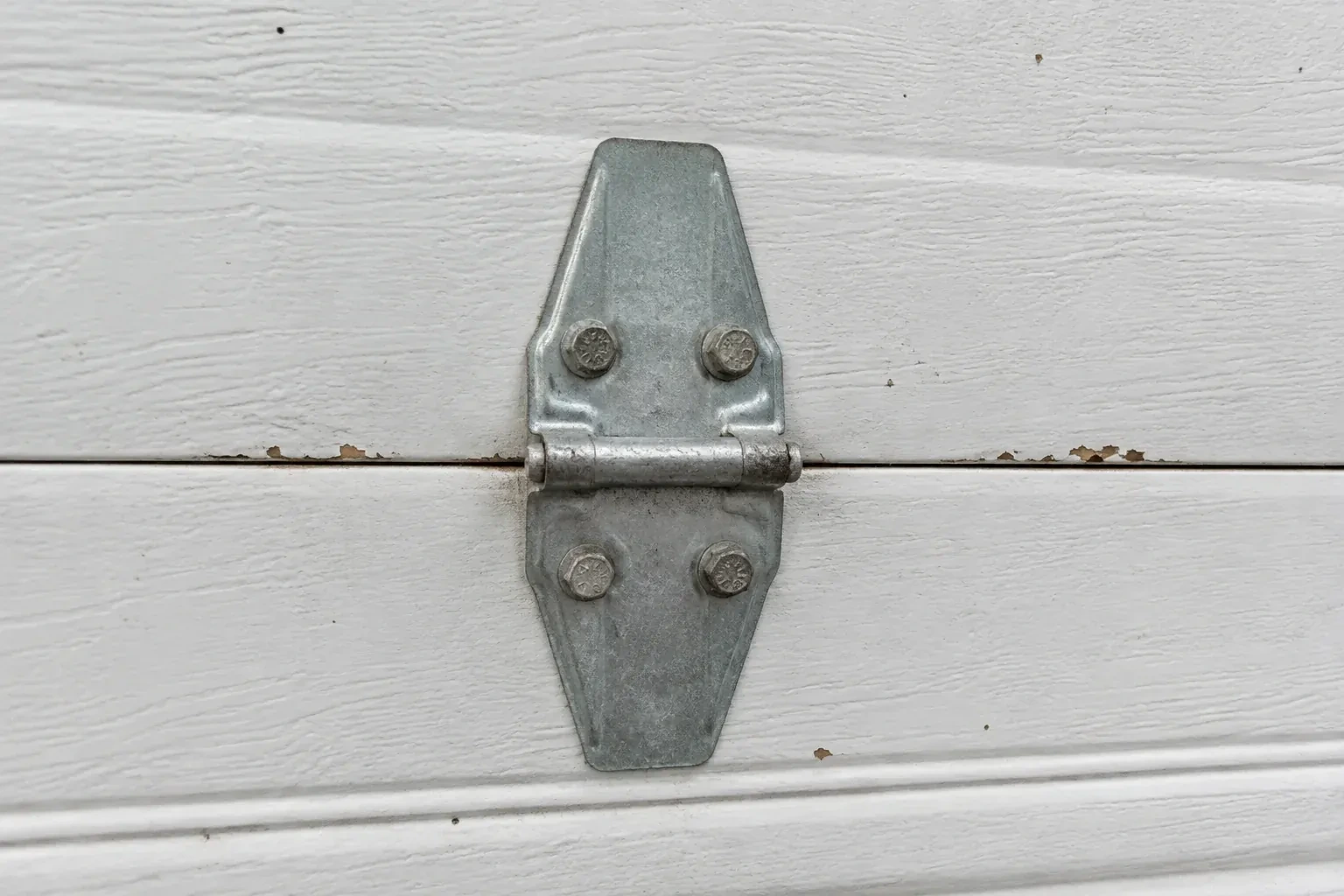
A tenant mentioned the door is louder than it used to be. From the driveway it looks fine, but on closer inspection the hinges near the floor are streaked orange and one roller wobbles as it turns.
The door came down fine but with a scraping noise, and now the vertical track on one side is bowed away from the wall. Two screws have pulled out of the wood and the roller nearest the floor has no rail around it.
After a decade of slushy winters the bottom foot of the track is flaking rust. A roller squeals as it passes, and the channel edge has gone rough and thin where the salt collects.
The wall button works every time. The remote only works if you are practically under the door; from the end of the driveway it does nothing at all. It started around the time you changed the bulbs in the opener to LEDs.
Someone tightened the belt last month to stop the sag. Now the opener sounds like a chain drive, the motor labours on the way up, and the whole rail vibrates under the ceiling.
Halfway up, the door lets go of the opener with a clunk and sinks back to the floor while the trolley carries on to the top alone. It has happened three times this month, and each time the release lever is found half-cocked.
You are adding an automatic opener to an older, very heavy door. Before pairing equipment, you want sections, reinforcement, balance hardware and track chosen together for predictable manual and powered movement.
Your building designer has supplied positive and negative pressure values for the garage opening. The old door was selected years ago without that documentation, so the next step is a replacement whose full configuration can be matched to those criteria.
Traditional swing-out coach doors have the look you like, but the driveway needs to remain clear as the door opens. A sectional carriage-house design would provide that appearance while travelling overhead.
A heated garage feels cold beside its ageing door each winter. You are considering insulated glazing, improved seals and a frame option suited to the room rather than choosing on appearance alone.
Why does my door reverse on the way down for no reason?
Most often it is the photo eyes. A sensor knocked slightly out of line, a lens with a film of road grime, a loose wire, or low afternoon sun shining straight into one eye will each break the beam as far as the opener is concerned. The next candidates are a down-force setting that has drifted, a binding roller or a door that has gone out of balance. The inspection checks each in turn.
Will the track have to be replaced?
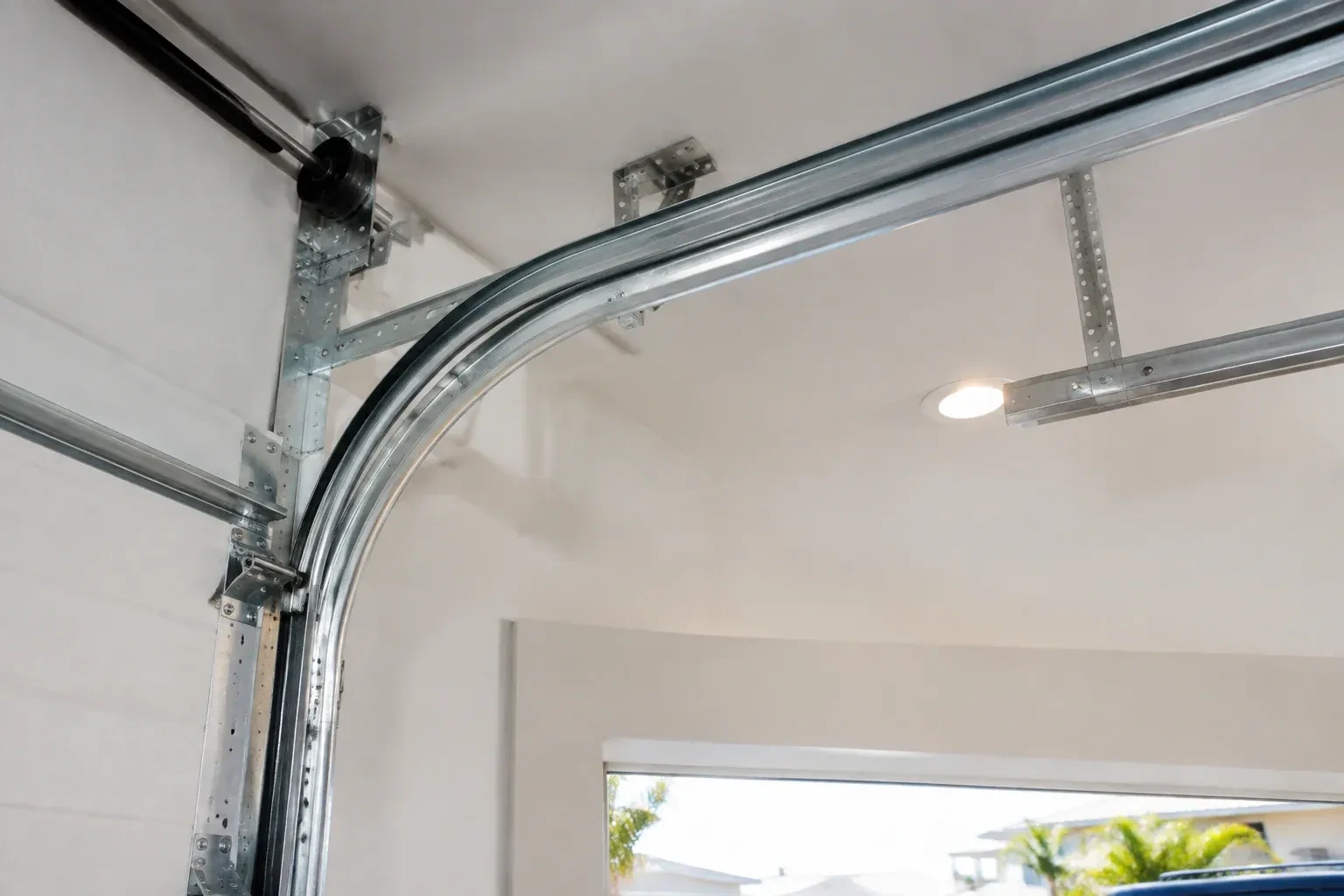
Often not. A track that is simply out of plumb, spread at the lip or loose on its brackets is re-formed and re-fixed. Replacement is for rail that has been crushed, kinked or torn by an impact, because a roller passing a tight spot will pop out again. The technician measures the damaged length against the door's roller size and tells you which case you have before any track is ordered or cut.
Can I hammer the track back myself?
A track is under load from the door resting in it and, at the top, from the spring shaft on the flag bracket, so working on it means securing the door and sometimes unloading the springs first. Freehand hammering also tends to push a dent into a ripple that a roller feels even more. The technician clamps the door, shapes the steel in small steps with a block or track pliers, and gauges the result with a roller.
My remote only works when I am close to the door. Why?
Short range is almost always interference or a weak signal, not a broken opener. Certain LED bulbs, including ones fitted in the opener's own sockets, emit noise on the frequency remotes use. A remote battery near the end of its life also loses reach before it fails outright. The technician tests range with a known-good remote, swaps bulbs, checks the antenna wire hangs free below the head unit, and replaces the battery or remote as needed.
Should the belt be lubricated?
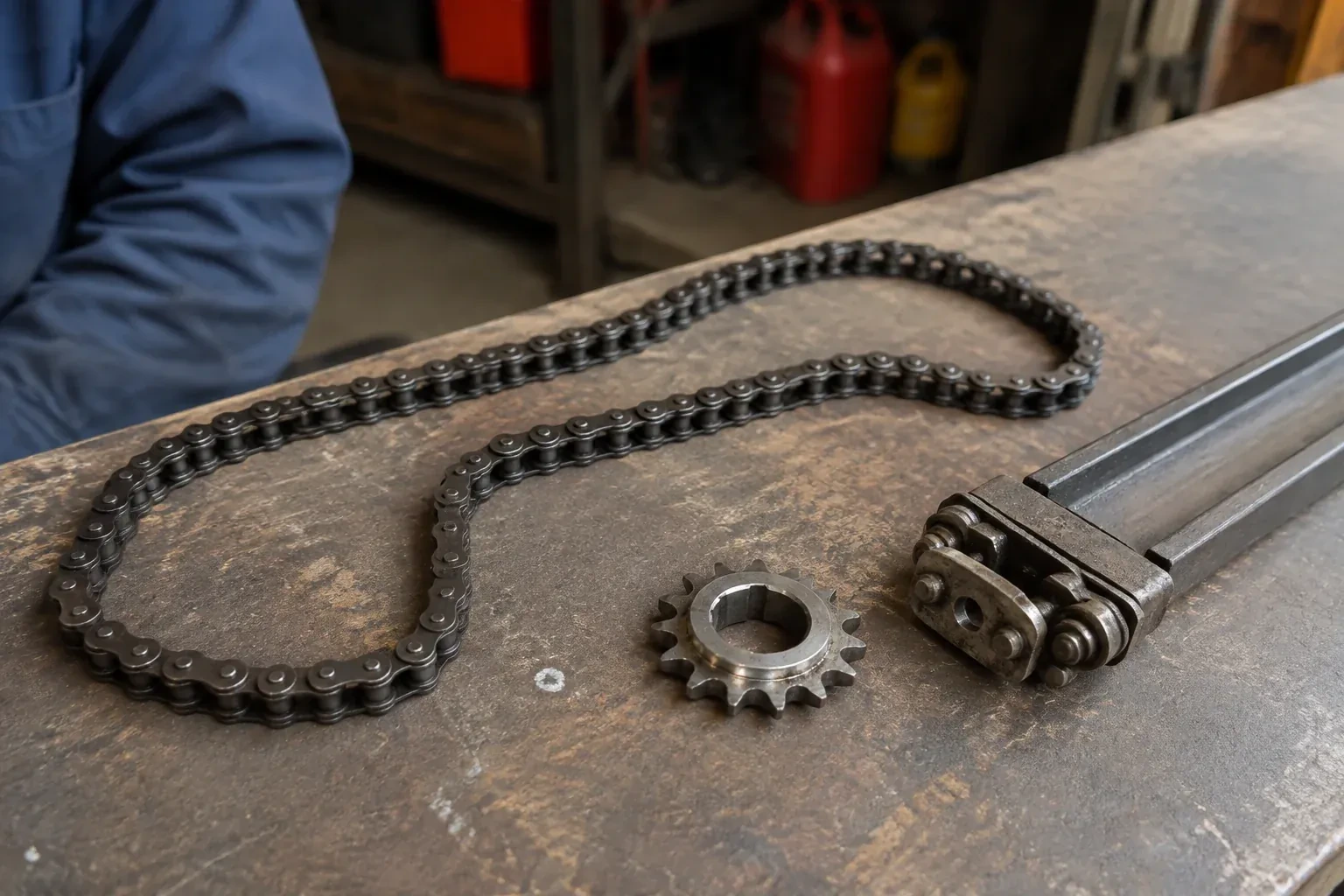
No. The belt is meant to run clean and dry; oils and sprays soften the rubber and gather grit in the teeth, which wears the sprocket. Lubricant belongs on the door instead: hinges, rollers and springs get a garage-door lubricant once a year. The gear inside the motor head takes a light grease when it is serviced, and that is the technician's job.
What should I tell you when I call?
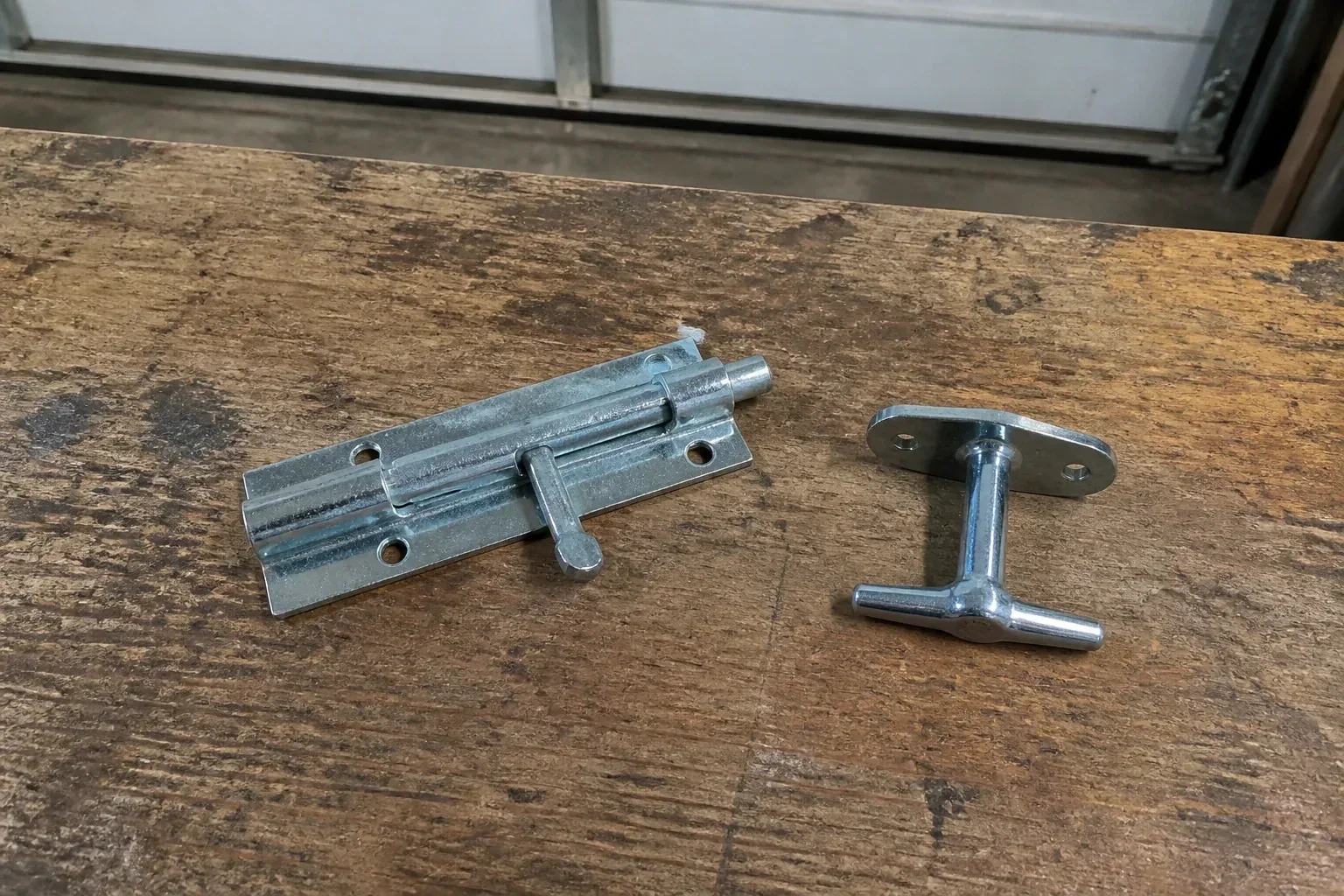
What the release did: handle missing, cord snapped, trolley will not reconnect, door let go on its own. Where the door was at the time and where it is now. Whether the opener is a chain, belt or screw unit on a rail, or a wall-mounted one beside the door. Whether there is an outside key release and whether you have its key. And whether the garage has a side door or a door into the house. That shapes what comes on the truck.
Can I add windows without losing privacy?
Yes. Window location, glass treatment and viewing height can be selected together. Frosted, textured or obscured glazing admits daylight while limiting direct views, subject to the available options for the chosen door. Glazing also changes weight and thermal performance, so it belongs in the original order and counterbalance specification.
How should I care for the replacement through winter?
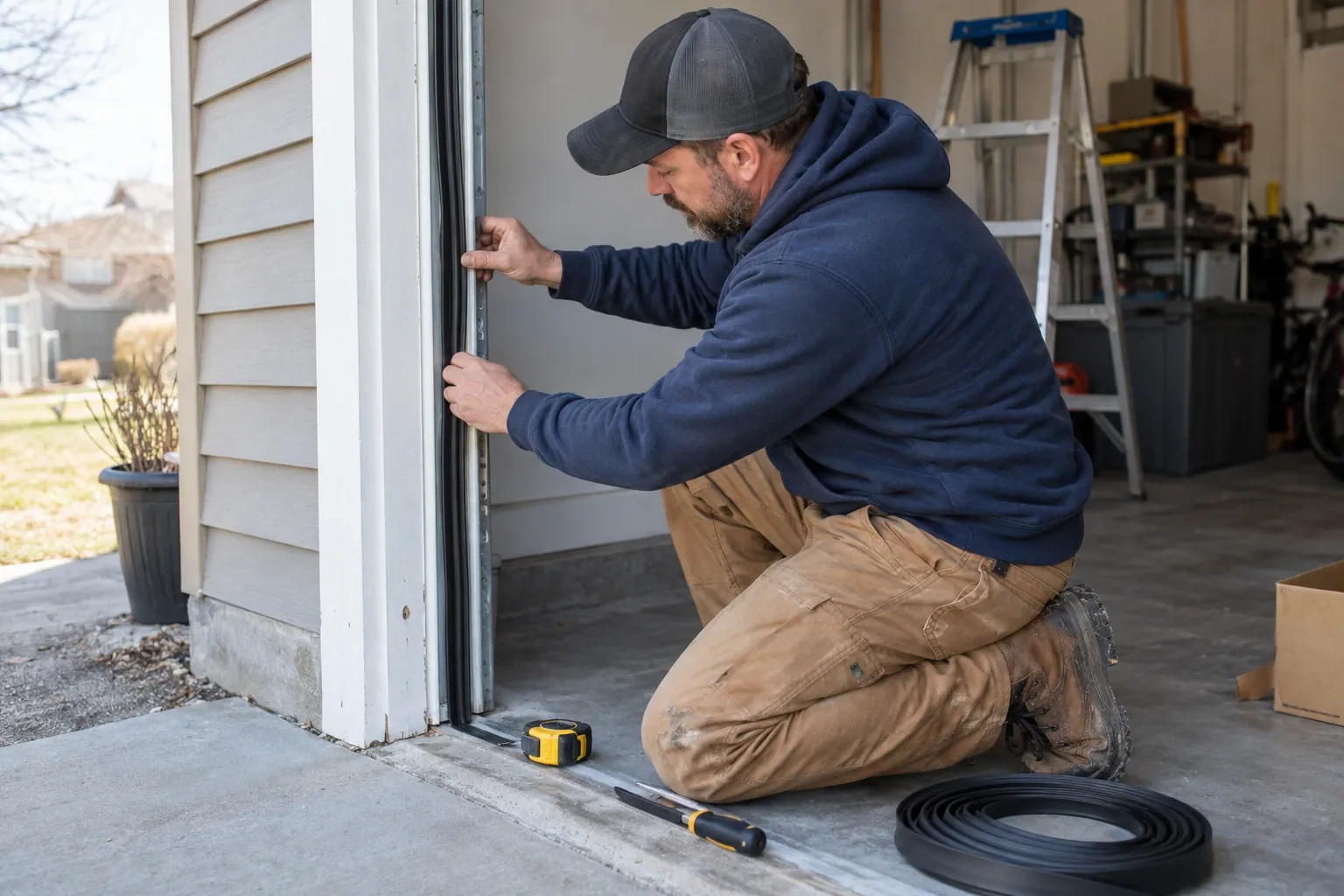
Keep the threshold clear of packed snow and salt, wipe residue from exposed hardware, and watch that the bottom seal releases cleanly after freeze-thaw weather. Look for corrosion, loose visible fasteners, or uneven seal contact during routine observations. Springs, cables, and bottom brackets remain high-tension components, so adjustments are left to technicians with the proper tools.
What measurements are needed before ordering the door?
The survey records clear opening width and height, side room, headroom and backroom, often at more than one point. It also checks floor level, jamb and header condition, ceiling obstacles, track supports and opener position. These measurements determine door size and hardware layout. Exterior trim and the desired panel proportions are documented so technical fit and visual fit agree.
Can the new door use my existing tracks?
The tracks are assessed as part of the new assembly, not treated as universal rails. Section thickness, finished weight, roller geometry, track radius, required headroom and opener placement all affect compatibility. A full-view installation normally uses the track specified for that door configuration, giving the rollers and hinged sections a path designed around their dimensions and load.
Request a visit
In Yongehurst we have found that most people simply want to understand what happened to their door. So the technician explains as he goes: why the spring broke, what a balanced door feels like, how the sensors work. You end up knowing your door better and knowing what to listen for next time.